What Are Adaptogens? How They Work and the Best Adaptogenic Herbs
 By Matthew Atkins · Updated
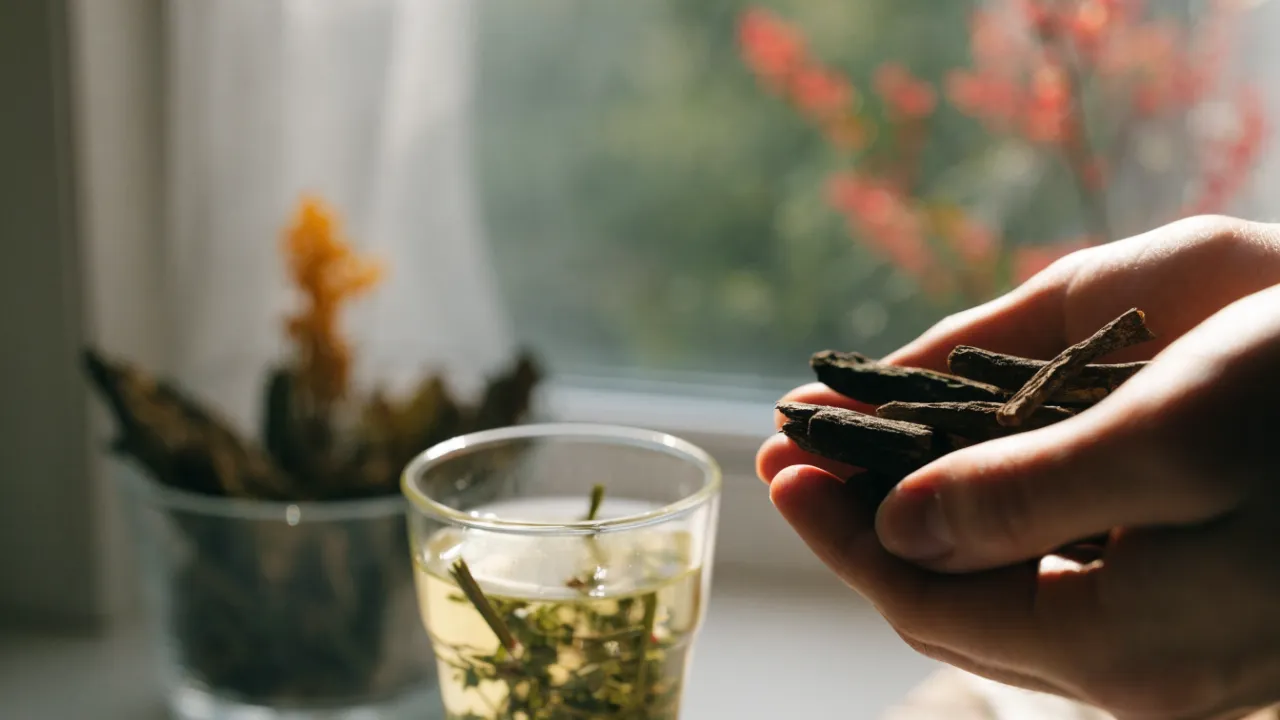
Adaptogens are plants and fungi traditionally used to help the body cope with physical and mental stress. The idea is that they nudge the body’s stress-response system, including the hormone cortisol, back toward balance rather than acting as a stimulant or sedative. Common examples include ashwagandha, rhodiola, ginseng, and reishi. Some have promising clinical trials behind them, but most of the evidence is small and short-term, and “adaptogen” is not a medical or regulatory category. Each herb below lists an evidence rating, a typical adult dose, and its key cautions.
Table of Contents
What Are Adaptogens?
Adaptogens are plants and fungi used to help the body handle stress. Stress affects hormones, energy use, sleep, and immune activity, and long-term stress can leave these systems out of balance. Unlike a stimulant such as caffeine or a sedative, an adaptogen is meant to work gradually, supporting the body’s own regulation rather than pushing it in one direction.
The Original Definition
The term comes from Soviet pharmacologist Nikolai Lazarev, who coined it in 1947. His student Israel Brekhman later set out three criteria that are still quoted today. An adaptogen should:
- Be non-specific: Increase resistance to a broad range of stressors (physical, chemical, biological, or psychological), rather than just one.
- Have a normalizing effect: Bring disturbed body functions back toward normal, whichever direction they have moved.
- Be non-toxic: Cause little harm or disruption at normal doses.
These criteria describe what an adaptogen is supposed to do. They are not evidence that any particular herb actually meets them, and “non-toxic” in particular does not mean an herb has no side effects or interactions. Several herbs on this page have documented safety concerns, covered in each profile.
Is “Adaptogen” a Recognized Category?
No. Neither the US Food and Drug Administration nor the European Medicines Agency recognizes “adaptogen” as a pharmacological category, and the European Medicines Agency has stated that the concept needs more clinical evidence before it can be accepted. The word is useful as a traditional and descriptive label, but on a supplement label it is a marketing term, not a guarantee of any effect.
History
Plants now called adaptogens have deep roots in Ayurveda and Traditional Chinese Medicine (TCM). Ayurveda classifies herbs such as ashwagandha and holy basil as rasayana (rejuvenating) herbs, while TCM treats ginseng and astragalus as qi tonics used to build vitality and resistance to illness. Both are part of a broader tradition of common TCM herbs and their uses.
Modern research began in the Soviet Union in the 1940s, when scientists looked for substances to improve the stamina of soldiers, athletes, and later cosmonauts. Brekhman’s work brought ginseng, eleuthero, and schisandra to wider scientific attention, although much of that early research would not meet today’s standards for clinical trials.
How Adaptogens Are Thought to Work
Researchers have proposed several mechanisms, mostly based on laboratory and animal studies. Adaptogens may influence the hypothalamic-pituitary-adrenal (HPA) axis, which controls the release of cortisol, and the sympathetic nervous system, which drives the “fight or flight” response. Some appear to affect heat shock proteins, which protect cells under stress, along with antioxidant enzymes and inflammatory signals. How much of this carries over to people at normal doses is still unclear.
Stress, Cortisol and the HPA Axis
The HPA axis is the body’s central stress-response system. When the brain senses a threat, the hypothalamus releases corticotropin-releasing hormone (CRH), which prompts the pituitary gland to signal the adrenal glands to release cortisol. Cortisol mobilizes energy and prepares the body to respond. That is useful in the short term, but cortisol that stays high for long periods can affect sleep, blood sugar, immune activity, digestion, and the cardiovascular system.

Cortisol naturally peaks in the morning and falls toward evening, and a disrupted rhythm is linked with fatigue, poor sleep, and mood changes. Some ashwagandha trials found lower cortisol levels after several weeks of use, which is the basis for the idea that adaptogens “regulate” the HPA axis. For most other adaptogens, effects on cortisol in people have not been clearly shown.
You may see adaptogens marketed for “adrenal fatigue.” That is not a recognized medical diagnosis, and there is no good evidence that the adrenal glands become “depleted” by everyday stress. Persistent exhaustion deserves a medical checkup, since it can signal conditions such as anemia, thyroid disease, sleep apnea, or depression.
What the Research Says (and Its Limits)
Clinical evidence has grown over the past two decades but remains uneven. Ashwagandha has the strongest record, with several randomized trials reporting modest reductions in perceived stress and cortisol. Rhodiola has been tested in shift-working doctors and nurses, students, and military cadets, with mixed results. Ginseng, eleuthero, schisandra, and the medicinal mushrooms have much less human evidence.
The evidence base has real gaps:
- Small and short studies: Many trials enroll a few dozen people for a few weeks, which limits what they can show and leaves long-term safety largely unknown.
- Inconsistent designs: Studies use different extracts, doses, and outcome measures, which makes results hard to compare or combine.
- Blinding problems: Distinctive tastes and smells can reveal who received the herb and who received a placebo.
- Bias: Positive results are more likely to be published, and some trials are funded by supplement makers.
Overall, the evidence is promising for a few herbs and thin for most. Larger, longer, independent trials are needed.
The Main Adaptogenic Herbs
How We Rate the Evidence
- Strong: Several well-designed randomized trials in people with consistent, independently replicated results. No adaptogen currently reaches this level.
- Moderate: Some good-quality human trials with mostly positive results, but small, short, or not well replicated.
- Limited: A few small or mixed human studies, or mainly laboratory and animal research.
- Traditional: Long historical use with little or no clinical testing.
Doses are typical adult ranges used in studies or on standardized products. The dose on your product’s label takes priority, and you should check with a doctor or pharmacist before starting any herb if you take medication.
Ashwagandha
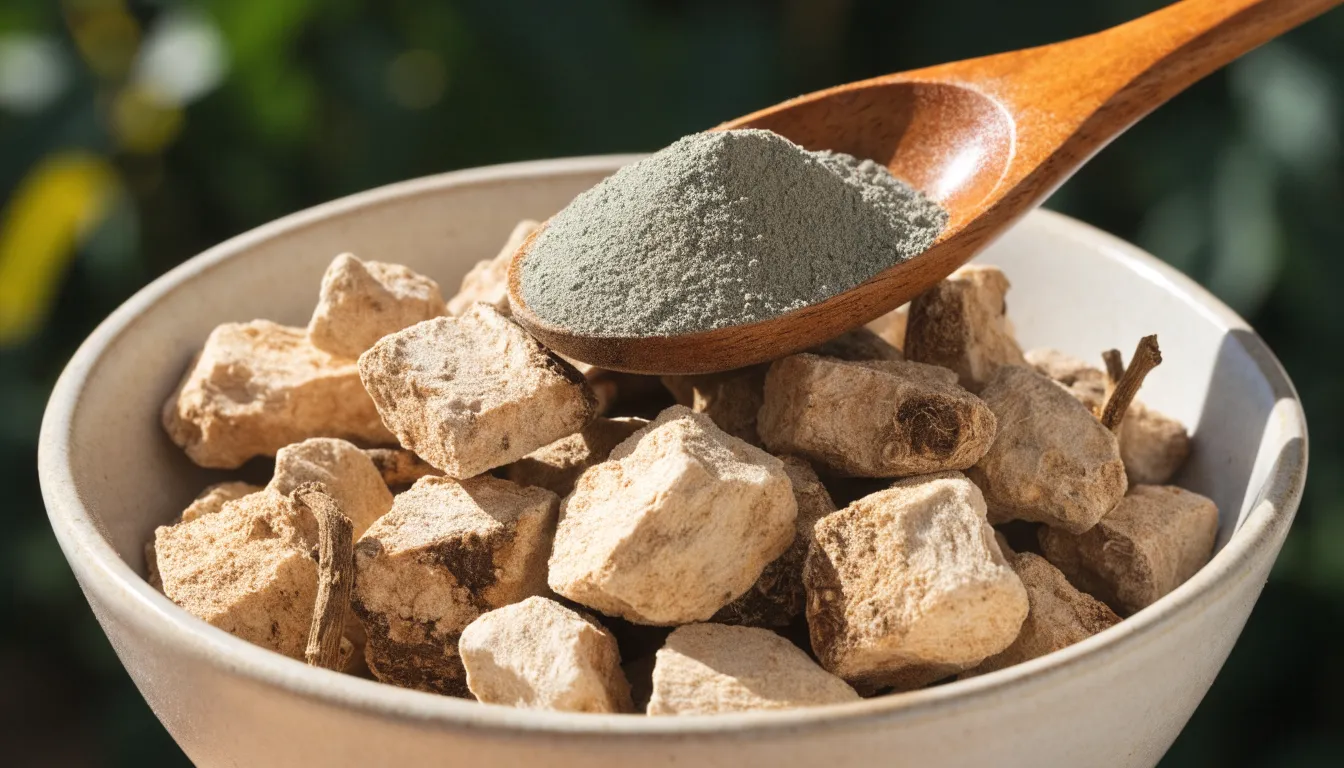
Ashwagandha (Withania somnifera) is the most studied adaptogen. You can read more about its benefits, uses, and side effects. Several randomized, placebo-controlled trials found that standardized root extract reduced perceived stress and anxiety scores and lowered blood cortisol over 8–12 weeks, and some also reported better sleep. Most of these trials were small and short (NCCIH).
Ashwagandha can also raise thyroid hormone levels. That is a reason for caution, not a benefit to aim for: it can push thyroid levels too high in some people, and it can change how well thyroid medication works.
Evidence: Moderate (stress and anxiety) · Typical adult dose: 300–600 mg/day of standardized root extract · Cautions: Rare but serious cases of liver injury have been reported (LiverTox); stop and see a doctor if you notice dark urine, yellowing skin, or abdominal pain. Avoid with hyperthyroidism, and talk to a doctor first if you take thyroid medication. May add to the effect of sedatives and interfere with immunosuppressants. Avoid in pregnancy.
Rhodiola Rosea
Rhodiola rosea, also called arctic root or golden root, grows in cold, high-altitude regions of Europe and Asia. Its main compounds, rosavins and salidroside, are thought to affect stress-response pathways and brain chemistry. Some small trials found less mental fatigue and burnout over several weeks, but others found no effect, and study quality is generally low (NCCIH). Any benefit should be judged over weeks, not hours.
Evidence: Limited · Typical adult dose: 200–600 mg/day of standardized extract, taken in the morning · Cautions: Can cause restlessness, irritability, or insomnia, especially if taken late in the day. May interact with antidepressants, diabetes drugs, and blood pressure drugs. Not studied in pregnancy.
Korean Ginseng
Korean or Asian ginseng (Panax ginseng) has a long history as a tonic. Its active compounds, ginsenosides, have been studied for fatigue, mental performance, and immune function, with mixed results. The most consistent human evidence is for erectile dysfunction, where several small trials reported improvements (NCCIH).
Evidence: Limited (fatigue and cognition); Moderate (erectile dysfunction) · Typical adult dose: 200–400 mg/day of standardized extract, often taken for a few weeks with breaks · Cautions: Common side effects are insomnia, headache, and digestive upset. Can lower blood sugar and add to diabetes drugs. May reduce the effect of warfarin and interact with MAO inhibitors and stimulants. Not recommended in pregnancy or for children.
Holy Basil (Tulsi)
Holy basil (Ocimum tenuiflorum, also called Ocimum sanctum), known in Ayurveda as tulsi, has traditional uses for stress and wellbeing. A handful of small human studies reported reductions in stress and anxiety symptoms, and a few small trials in people with type 2 diabetes found modest drops in blood sugar. The studies are small and of mixed quality.
Evidence: Limited · Typical adult dose: 300–600 mg/day of leaf extract, or 1–2 cups of tulsi tea · Cautions: May lower blood sugar and slow blood clotting, so use caution with diabetes drugs and blood thinners, and stop two weeks before surgery. Animal studies suggest it may affect fertility, so avoid if pregnant or trying to conceive.
Eleuthero (Siberian Ginseng)
Eleuthero (Eleutherococcus senticosus) is not a true ginseng, though it is often sold as “Siberian ginseng.” It was widely used in Soviet sports and occupational programs to boost stamina. Modern controlled trials have mostly not found improvements in athletic performance, and claims about immune benefits rest mainly on older or laboratory research.
Evidence: Limited · Typical adult dose: 300–1,200 mg/day of dried root extract, or per label · Cautions: Can cause insomnia and may raise blood pressure. It can interfere with digoxin blood tests, giving falsely high readings, and may interact with diabetes drugs and blood thinners. Not studied in pregnancy.
Schisandra
Schisandra (Schisandra chinensis), known in TCM as the five-flavor berry because it tastes sweet, sour, salty, bitter, and pungent, is traditionally used for liver health, mental focus, and endurance. Its lignans, such as schisandrin, have shown liver-protective effects in laboratory and animal studies, and a few small human studies suggest it may reduce mental fatigue. Human evidence is limited.
Schisandra also affects the liver enzymes that break down many medications, especially the enzyme CYP3A4. That means it can raise or lower blood levels of drugs such as tacrolimus and other transplant medications.
Evidence: Limited · Typical adult dose: 1.5–6 g/day of dried berry, or extract per label · Cautions: Talk to a doctor or pharmacist before use if you take any prescription medication, especially immunosuppressants. Can cause heartburn and stomach upset. Avoid in pregnancy.
Gynostemma (Jiaogulan)
Gynostemma pentaphyllum, known in China as jiaogulan, is a climbing vine whose leaves are brewed as a daily tea. It contains saponins called gypenosides that are chemically similar to ginsenosides. Laboratory and animal studies suggest effects on blood vessels, cholesterol, and blood sugar, but there are only a few small human trials.
Evidence: Limited · Typical adult dose: 2–4 g dried leaf as tea, up to a few cups daily · Cautions: May lower blood sugar and slow blood clotting, so use caution with diabetes drugs and blood thinners. May stimulate the immune system, so avoid with immunosuppressants. Not studied in pregnancy.
Reishi
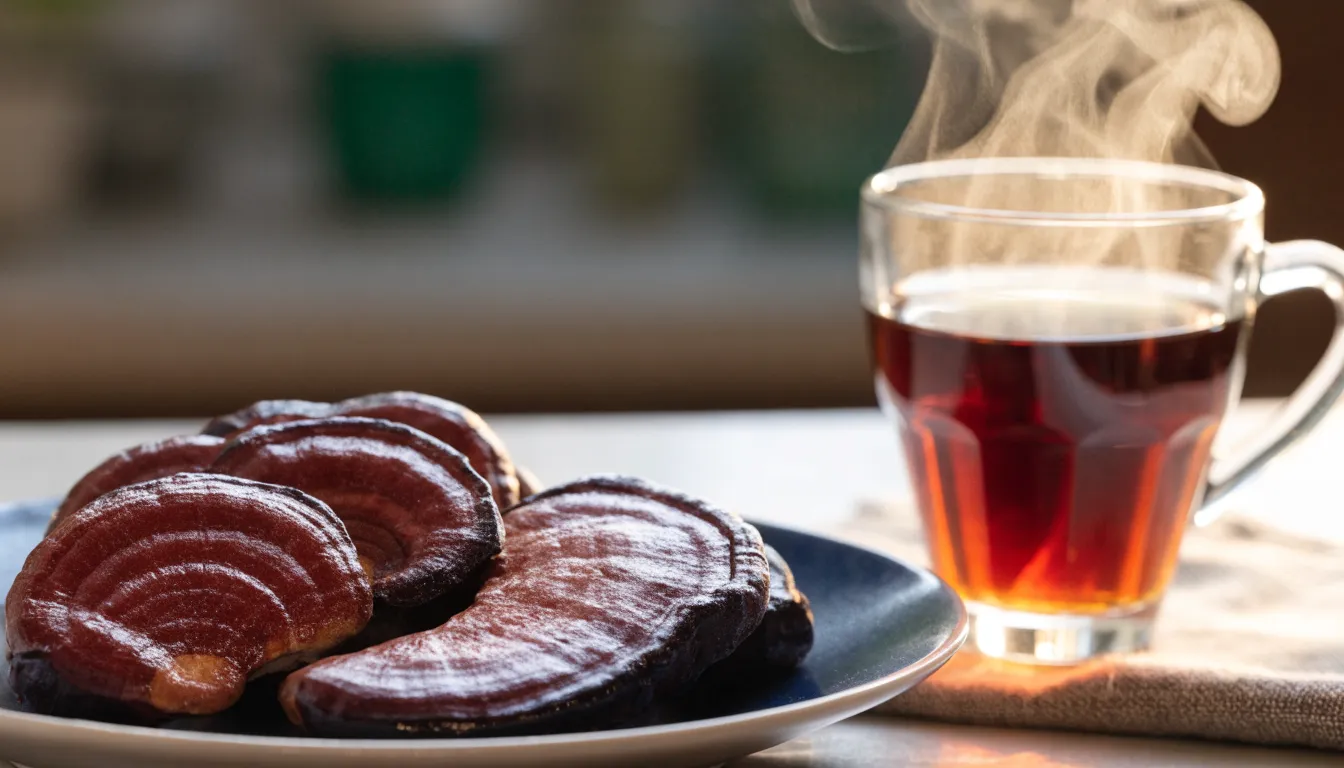
Reishi (Ganoderma lucidum) is a medicinal mushroom long used in TCM as a calming tonic. Its polysaccharides and triterpenes affect immune activity in laboratory studies. It is traditionally used for sleep and nervous tension, but there is little human research to support those uses.
Evidence: Limited (immune effects); Traditional (sleep and stress) · Typical adult dose: 1.5–9 g/day of dried mushroom as tea, or extract per label · Cautions: Liver injury has been reported with reishi powder (LiverTox). May slow blood clotting and lower blood pressure, so use caution with blood thinners and blood pressure drugs and stop two weeks before surgery. Avoid in pregnancy and breastfeeding.
Cordyceps
Cordyceps is a medicinal fungus traditionally used for energy and stamina. Laboratory studies suggest effects on cellular energy production, and it has been studied for oxygen use during exercise. Results in people, including athletes, have been inconsistent.
Evidence: Limited · Typical adult dose: 1–3 g/day · Cautions: May interact with blood thinners, diabetes drugs, and immunosuppressants. Avoid with autoimmune conditions unless supervised, and in pregnancy.
Astragalus
Astragalus (Astragalus membranaceus) is a TCM qi tonic traditionally used to strengthen resistance to illness. Its polysaccharides and saponins stimulate immune cells in laboratory studies, but there is little good human evidence for colds, heart health, or other uses (NCCIH). Claims that astragalus compounds such as cycloastragenol “lengthen telomeres” or slow aging come from early laboratory work and supplement marketing, not from trials showing health benefits in people.
Evidence: Limited · Typical adult dose: 2–6 g/day of dried root as a decoction, or extract per label · Cautions: May counteract immunosuppressants and should be avoided after organ transplant and with autoimmune conditions unless supervised. May interact with blood thinners and blood pressure drugs. Not studied in pregnancy.
Maca (Borderline Adaptogen)
Maca (Lepidium meyenii) is a root vegetable from the high Andes of Peru, eaten as food for centuries. You can read more about its benefits, uses, and side effects. Many researchers consider it a borderline adaptogen because it has not shown the broad stress-related effects attributed to herbs like ashwagandha. A few small trials reported improvements in libido and energy, including in peri- and postmenopausal women, and it does not appear to change hormone levels directly.
Evidence: Limited · Typical adult dose: 1.5–3 g/day of powdered root · Cautions: Generally well tolerated as a food. People with hormone-sensitive conditions or thyroid disease should talk to a doctor before taking concentrated supplements. Not studied in pregnancy.
Adaptogens Compared
Use this table to match herbs to a goal, then read the full profile for cautions before choosing. For most goals, the evidence is limited, so a realistic expectation is a modest effect at best.
| Goal | Herbs traditionally used | Best-supported option | Notes |
|---|---|---|---|
| Stress and anxiety | Ashwagandha, holy basil, rhodiola | Ashwagandha (Moderate) | Effects build over 8–12 weeks |
| Energy and fatigue | Rhodiola, eleuthero, Korean ginseng | All Limited | Get persistent fatigue checked by a doctor |
| Sleep | Ashwagandha, reishi | Ashwagandha (Moderate) | Reishi’s sleep use is traditional only |
| Focus and memory | Rhodiola, schisandra | Both Limited | Bacopa has better evidence for memory, though it is not usually classed as an adaptogen |
| Exercise performance | Cordyceps, Korean ginseng, eleuthero | All Limited | Most controlled trials show small or no effects |
| Libido and sexual function | Korean ginseng, maca | Korean ginseng for ED (Moderate) | Erectile dysfunction can signal heart disease, so see a doctor |
Calming herbs (ashwagandha, holy basil, reishi) are traditionally taken in the afternoon or evening. Energizing herbs (rhodiola, eleuthero, ginseng, cordyceps) are traditionally taken in the morning, since they can interfere with sleep. None of them replaces sleep, food, or medical care.
How to Take Adaptogens
Choose a format you will actually stick with, start with one herb at a low dose, and give it several weeks before judging whether it helps.
Forms
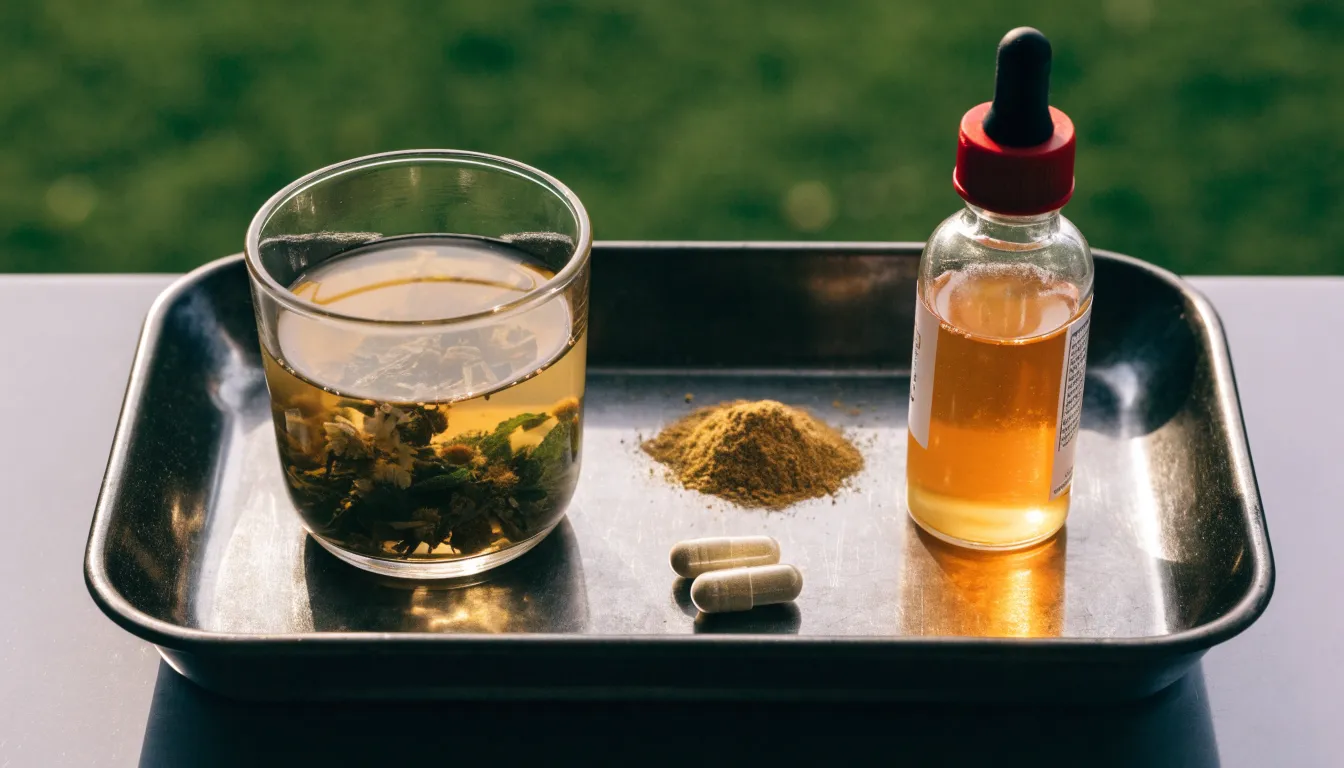
- Teas and decoctions: Steeping leaves or simmering roots in water extracts water-soluble compounds. Teas are gentle and easy to make part of a routine, but they deliver lower amounts than extracts.
- Powders: Whole dried herb blended into drinks or food. You consume the whole plant, but potency varies and the taste can be strong.
- Tinctures: Herbs soaked in alcohol or glycerin. They keep for a long time and are easy to dose in drops. Alcohol extracts more compounds than glycerin.
- Capsules: Pre-measured, portable, and tasteless. Standardized extract capsules give the most consistent dose from batch to batch.
Dosage and Timing
Typical doses are listed in each herb profile above. Start at the low end of the range for one to two weeks, take herbs with food to reduce stomach upset, and split the daily amount into two doses if needed. Take energizing herbs earlier in the day and calming herbs later.
Can You Combine Adaptogens?
Traditional formulas often combine several herbs, and many commercial blends do too. But each added herb brings its own side effects and interactions, and combining herbs that lower blood sugar, lower blood pressure, slow clotting, or cause drowsiness can add up. Introduce one herb at a time, wait at least a week before adding another, and be wary of blends that don’t list the amount of each herb.
Cycling Adaptogens
Many herbalists recommend cycling, meaning regular breaks from an herb, such as six to eight weeks on followed by one to two weeks off. This is traditional practice rather than an evidence-based rule: there is little research on whether adaptogens lose effect with continuous use. Breaks do limit long-term exposure, which is reasonable given how little long-term safety data exists, and they give you a chance to notice whether the herb was actually helping.
Side Effects and Safety
Adaptogens are often described as gentle, but “natural” does not mean risk-free. Several have caused rare cases of liver injury, and several interact with common medications.
Common Side Effects
- Digestive upset: Nausea, cramping, bloating, or loose stools are the most common complaints, especially on an empty stomach or at high doses. Taking them with food and lowering the dose usually helps.
- Headaches: These sometimes occur when starting a new herb.
- Sleep changes: Energizing herbs can cause insomnia if taken late in the day, while calming herbs such as ashwagandha can cause drowsiness.
Stop and seek medical advice for any sign of liver problems (dark urine, pale stools, yellowing skin or eyes, upper abdominal pain, unusual fatigue), a rash, heart palpitations, or symptoms that are severe or getting worse.
Who Should Avoid Adaptogens
Avoid adaptogens, or use them only with a specialist’s approval, if you:
- Have an autoimmune disease such as rheumatoid arthritis, lupus, multiple sclerosis, or Hashimoto’s thyroiditis. Many adaptogens affect immune activity and could, in theory, worsen these conditions.
- Have had an organ transplant. Some adaptogens stimulate the immune system or change how transplant drugs are broken down, which can risk rejection.
- Have a hormone-sensitive condition such as certain breast, prostate, or uterine cancers, or endometriosis.
- Have thyroid disease, especially hyperthyroidism, in the case of ashwagandha.
- Have liver disease, given the reports of liver injury with ashwagandha and reishi.
- Are scheduled for surgery. Stop at least two weeks beforehand, since several adaptogens affect clotting and blood sugar.
Adaptogen supplements are not recommended for children.
Drug Interactions
Talk to a doctor or pharmacist before combining adaptogens with:
- Immunosuppressants: Ashwagandha, astragalus, cordyceps, and medicinal mushrooms may counteract them, and schisandra can change their blood levels.
- Blood thinners and antiplatelet drugs: Holy basil, reishi, gynostemma, and cordyceps may increase bleeding risk, while ginseng may reduce the effect of warfarin.
- Thyroid medication: Ashwagandha can raise thyroid hormone levels and change how well levothyroxine works.
- Drugs broken down by CYP3A4: Schisandra can raise or lower blood levels of many medications.
- Diabetes, blood pressure, and sedative medications: Herbs that lower blood sugar or blood pressure, or cause drowsiness, can add to these drugs’ effects.
- Antidepressants and MAO inhibitors: Ginseng and rhodiola may interact with them.
- Digoxin: Eleuthero can interfere with digoxin blood tests.
Pregnancy and Breastfeeding
Avoid adaptogens during pregnancy and breastfeeding unless a qualified healthcare provider specifically approves one. Safety data in pregnancy are lacking for nearly all of them. Ashwagandha is specifically discouraged because of concerns about miscarriage, and holy basil because of possible effects on fertility in animal studies. Herbal compounds can also pass into breast milk, and an infant’s liver is less able to process them.
How to Buy Quality Adaptogen Supplements
Supplement quality varies widely. Look for:
- Third-party testing: A seal from an independent tester such as USP or NSF, or a Certificate of Analysis (COA) showing the product was tested for identity, potency, heavy metals, and microbial contamination.
- Clear labeling: The plant’s Latin name, the part used (such as root or leaf), the extract ratio, and the amount of key compounds (for example, withanolides for ashwagandha, or rosavins and salidroside for rhodiola).
- Full disclosure: Avoid “proprietary blends” that hide how much of each herb they contain, as well as products making dramatic health claims.
Frequently Asked Questions
What are adaptogens and how do they work?
Adaptogens are plants and fungi traditionally used to help the body cope with stress. They are thought to work partly through the HPA axis, the system that controls cortisol, but most of the mechanism research is in the lab. “Adaptogen” is a traditional and marketing term, not a recognized medical category.
How long do adaptogens take to work?
In clinical trials, effects are usually measured after 6–12 weeks of daily use. If you notice no difference after about two months, the herb is unlikely to help you.
Which adaptogens are best for stress and anxiety?
Ashwagandha has the most evidence, with several small trials showing reduced stress and anxiety scores. Holy basil and rhodiola are also used, but with weaker evidence. Read the cautions first, especially about liver and thyroid effects for ashwagandha.
Are adaptogens safe for long-term daily use?
Long-term safety is largely unknown, because most trials last only a few months. Some adaptogens, including ashwagandha and reishi, have been linked to rare liver injury. Taking breaks and checking in with a doctor if you use them for many months is a sensible precaution.
Can you take adaptogens with medications?
Check with a doctor or pharmacist first. Adaptogens can interact with immunosuppressants, blood thinners, thyroid medication, diabetes and blood pressure drugs, sedatives, and antidepressants, and schisandra affects how many drugs are broken down.
Who should avoid adaptogens?
People who are pregnant or breastfeeding, children, organ transplant recipients, and people with autoimmune disease, liver disease, thyroid disease, or hormone-sensitive conditions should avoid them or use them only with medical approval. Stop at least two weeks before surgery.
Can I use adaptogens instead of sleep or medical treatment?
No. Adaptogens are not a substitute for sleep, a healthy diet, or prescribed treatment, and persistent fatigue or anxiety deserves a medical evaluation.
What should I look for when buying adaptogen supplements?
Look for independent third-party testing, the plant’s Latin name and part used on the label, and a stated amount of key compounds. Avoid proprietary blends that hide individual herb amounts.
Sources
- National Center for Complementary and Integrative Health (NCCIH): Ashwagandha, Rhodiola, Asian Ginseng, Astragalus.
- NIH LiverTox database on herbal and dietary supplement liver injury: LiverTox.
- European Medicines Agency, Reflection paper on the adaptogenic concept (EMEA/HMPC/102655/2007), 2008.
Matthew Atkins
Matthew studied biology and has worked in conservation. He's been interested in medicinal herbs for many years. More about HerbsList
This page is for general information only and isn't medical advice. Talk with a doctor or pharmacist before taking any herb or supplement. Full disclaimer