Ashwagandha: Benefits, Uses and Side Effects
 By Matthew Atkins ·

Ashwagandha
Ashwagandha (Withania somnifera) is a small evergreen shrub in the nightshade family, native to India, the Middle East, and North Africa, whose root and leaves contain withanolides—steroidal lactones that modulate stress-response pathways. Ashwagandha is one of several adaptogenic herbs, used traditionally in Ayurveda and clinically studied for reducing stress, anxiety, and cortisol.
This article is for informational purposes only and is not medical advice. Talk to your doctor or pharmacist before starting any supplement, especially if you are pregnant, take medication, or have a health condition.
Table of Contents
What Is Ashwagandha?
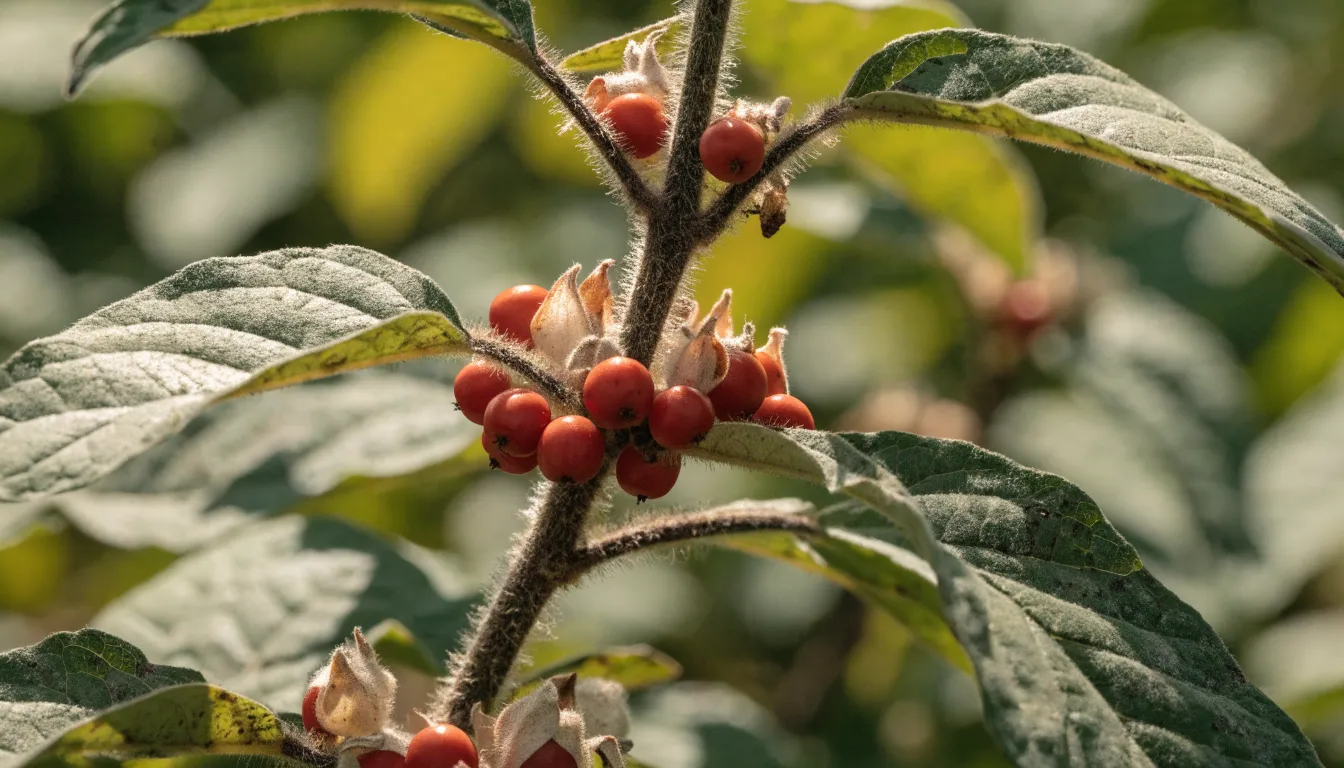
Ashwagandha is the common name for Withania somnifera, a small evergreen shrub in the nightshade family (Solanaceae) that grows one to two meters tall, with dull green elliptic leaves, bell-shaped flowers, and bright red berries enclosed in a papery calyx. The name derives from Sanskrit for “smell of the horse,” referring both to the fresh root’s distinct odor and the traditional belief that it imparts strength and vigor. Native to the dry regions of India, the Middle East, and parts of North Africa, this drought-tolerant plant thrives in arid, sandy soils and has been cultivated for centuries in northwestern Indian states such as Rajasthan, Madhya Pradesh, and Gujarat. In Western herbalism, it is often called “Indian ginseng” for its adaptogenic tonic role, though it is not botanically related to true ginseng.
Withanolides
Withanolides are naturally occurring steroidal lactones built on an ergostane skeleton with a distinctive lactone ring, serving as the primary drivers of ashwagandha’s bioactivity. Researchers have identified dozens of distinct withanolides in the root and leaf tissues, with withaferin A and withanolide D among the most extensively studied.
Withanolide concentrations and profiles vary depending on the plant part used, age at harvest, growing conditions, and extraction method. Because these compounds carry the plant’s therapeutic signature, supplement manufacturers commonly standardize extracts to a defined withanolide percentage.
In laboratory studies, withanolides modulate inflammatory signaling, influence stress-response mechanisms, bolster antioxidant defenses against oxidative stress, and interact with receptors and enzymes involved in immune regulation. Withaferin A in particular binds specific protein targets that researchers are studying in connection with the herb’s effects.
Root vs. Leaf Extracts
Traditional Ayurvedic preparations rely almost exclusively on the root. Root tissue contains a complex blend of withanolides, alkaloids, and sitoindosides, with total withanolides in dried root typically around 0.3 to 1 percent. Concentrated root extracts are then standardized to higher levels, commonly 2.5 to 5 percent.
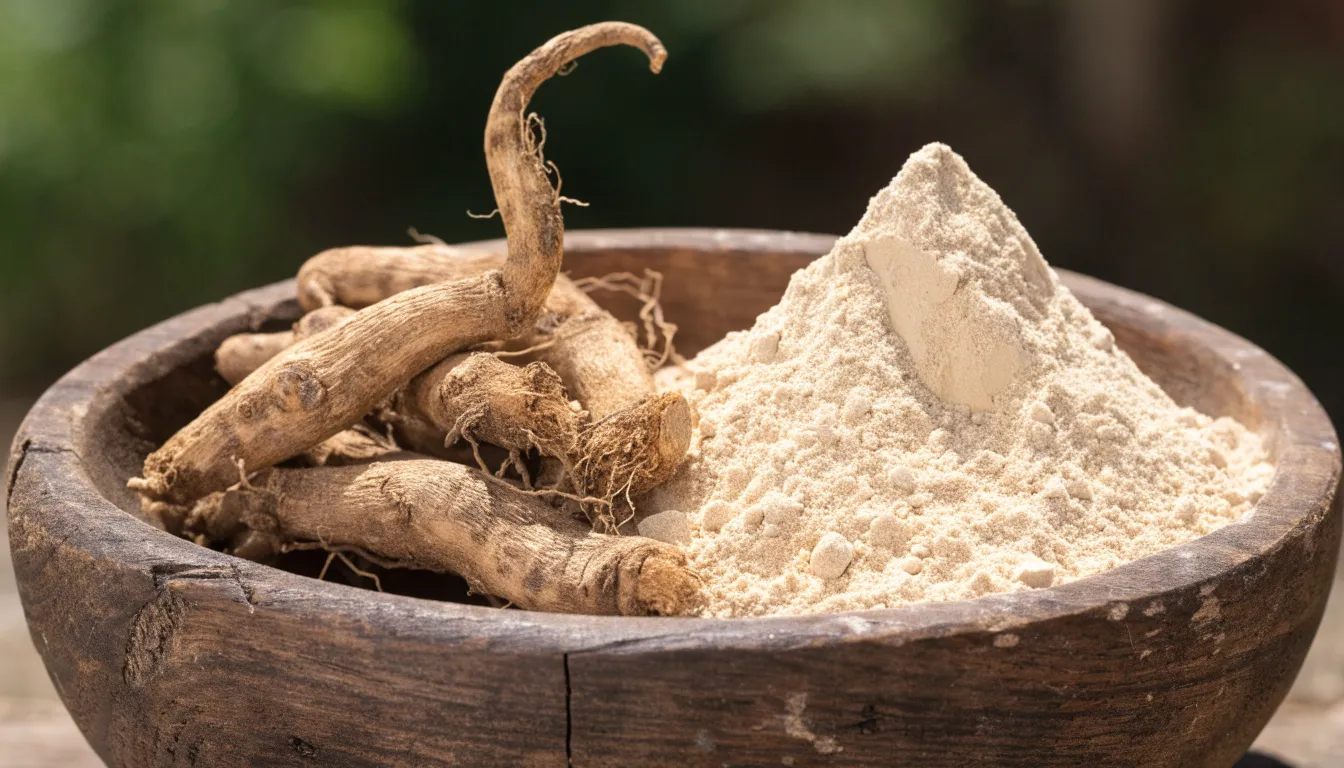
Leaves grow quickly and contain higher absolute levels of certain withanolides—particularly withaferin A, which can reach concentrations several times higher than in the root. Manufacturers sometimes favor leaves because they are cheaper to harvest and yield high withanolide percentages on paper, but the chemical spectrum is narrower and skewed heavily toward withaferin A.
This chemistry shapes safety. Withaferin A has documented cytotoxic properties at higher doses, raising questions about the long-term tolerability of leaf-heavy extracts. Standardized root extracts, used at clinical doses of 300 to 600 milligrams daily, have a much longer record of human tolerability in clinical trials. When reading a label, check whether the product specifies “root extract,” “root and leaf,” or leaf-only material.
Ashwagandha in Ayurvedic Medicine
In Ayurveda, ashwagandha has been used for thousands of years as a Rasayana—a class of rejuvenative herbs believed to nourish the body’s deepest tissues and promote longevity and vitality. (For background on the tradition, see our beginner’s guide to Ayurveda.) Classical texts such as the Charaka Samhita and Sushruta Samhita praise its ability to restore strength, improve stamina, and help the body withstand physical and mental stress.
Ayurvedic theory frames health as a balance among three bodily humors, or doshas: vata, pitta, and kapha. Ashwagandha is classified as a warming, grounding herb particularly valued for pacifying excess vata, which governs movement and the nervous system and is associated with nervousness, restlessness, anxiety, insomnia, and fatigue. It was also considered supportive for building ojas, a subtle essence linked to immunity, vigor, and resilience.
Traditionally prepared as powders mixed with warm milk or ghee, decoctions, or medicated pastes—often in compound formulas—it was prescribed to convalescents, the elderly, and those recovering from exhaustion, as well as to support reproductive health. Traditional doses were typically measured in grams of whole root powder, far more raw material than the milligram doses of concentrated extract used in modern trials.
Ashwagandha Benefits
Over the past two decades, randomized controlled trials and systematic reviews have evaluated whether ashwagandha’s traditional uses hold up under clinical scrutiny, with the most consistent evidence for reducing stress and anxiety. Across this literature, important methodological caveats apply: most trials are short in duration, enroll small sample sizes, use varying proprietary formulations, and test doses ranging from roughly 250 to 600 milligrams per day. While clinical evidence supports several applications, larger, longer, and better-standardized trials remain necessary to confirm these findings.
Stress, Anxiety and Cortisol
Chronic stress activates the hypothalamic-pituitary-adrenal (HPA) axis, elevating serum cortisol levels in ways that disrupt mood, sleep, and immune function. Ashwagandha is classed as an adaptogen and appears to help moderate HPA axis activity and the body’s stress response.
In randomized controlled trials, adults experiencing chronic stress who took standardized root extract (including a widely cited 60-day trial) showed significant reductions in perceived stress scores, anxiety symptoms, and serum cortisol compared to placebo. By blunting prolonged cortisol exposure, the herb may ease stress-related fatigue, irritability, and difficulty concentrating.
Sleep
Clinical trials using both subjective questionnaires and objective actigraphy measurements report that standardized ashwagandha root extract improves overall sleep quality, feelings of refreshment upon waking, and sleep efficiency compared with placebo. Rather than acting as a direct sedative, the herb appears to help the nervous system settle into a more restorative pattern by lowering physiological arousal and bedtime anxiety.
Studies also document reductions in sleep onset latency—the time it takes to fall asleep after going to bed—and fewer nighttime awakenings among participants with insomnia or stress-related sleep complaints. Benefits typically build over several weeks of consistent use.
Muscle Strength and Exercise Recovery
Several randomized controlled trials lasting eight to twelve weeks suggest ashwagandha supports both resistance and endurance training at doses of 300 to 600 milligrams daily. In one eight-week study of resistance-training men, those taking ashwagandha achieved significantly greater gains in bench press and leg extension strength, alongside larger increases in arm and chest muscle circumference, compared with placebo. Other trials have reported improvements in VO2 max, the standard measure of aerobic capacity.
For exercise recovery, studies have found lower post-exercise levels of creatine kinase—an enzyme that leaks from damaged muscle fibers—along with reduced muscle soreness. Researchers suspect lower cortisol plays a role, since elevated stress hormones can impede tissue repair and blunt training adaptations.
Testosterone and Male Fertility
In a randomized, placebo-controlled trial of overweight, middle-aged men, eight weeks of standardized ashwagandha extract produced modest increases in serum testosterone compared with placebo. Researchers propose that calming the HPA axis reduces the suppressive effect chronic stress exerts on testosterone production, though the precise mechanism remains under investigation.
In trials involving men with low sperm count or unexplained infertility, several weeks of supplementation improved sperm concentration, total sperm count, motility, and semen volume relative to controls. Preliminary research also suggests reductions in seminal oxidative stress and shifts in luteinizing hormone and follicle-stimulating hormone. Men considering ashwagandha for fertility should consult a healthcare provider, as sample sizes in these trials have been modest.
Energy and Fatigue
Unlike caffeine or other stimulants, ashwagandha is not known to raise heart rate or blood pressure or cause jitteriness. Instead, it may address fatigue tied to chronic stress by smoothing out the cortisol swings that drain daily stamina.
Early laboratory research suggests it may also improve mitochondrial efficiency and reduce oxidative stress, though this has not been confirmed in humans. Readers interested in other traditional energy tonics may also want to look at shilajit benefits and uses.
Focus and Memory
Trials in healthy adults have reported improvements in attention, concentration, working memory, information processing speed, and executive function—higher-order skills such as planning, decision-making, task switching, and impulse control—along with faster reaction times after several weeks of supplementation.
In laboratory and animal studies, root compounds have helped defend brain cells against oxidative stress and inflammation while supporting the health of dendrites and synaptic connections. Whether these neuroprotective findings translate to age-related cognitive resilience in humans requires further clinical study.
Mood
Small, short-term clinical trials have noted improvements on standardized mood questionnaires and reductions in depressive symptoms among participants taking ashwagandha over several weeks. Beyond lowering cortisol, animal studies suggest compounds in the herb may act on GABA—the brain’s primary inhibitory neurotransmitter—and serotonin pathways, though this has not been established in humans.
Ashwagandha is not a replacement for established depression or anxiety treatments, and anyone experiencing persistent low mood should consult a healthcare provider.
Other Claimed Benefits (Limited Evidence)
Several other proposed benefits rest mainly on laboratory, animal, or small preliminary human studies:
- Blood sugar regulation: Preclinical experiments and small human trials suggest ashwagandha may influence glucose metabolism, insulin sensitivity, and fasting blood glucose, but human results have been inconsistent and too limited to establish reliable glycemic control.
- Immune modulation: Laboratory and animal models show withanolides can influence cytokine production and immune cell proliferation, though clinical relevance in humans remains unclear.
- Anticancer properties: While cell culture and animal studies have explored whether ashwagandha constituents inhibit tumor growth, no human clinical trials establish any anticancer benefit, and it must not be used to treat cancer.
Ashwagandha for Women
Research focused specifically on women is limited. Because chronic stress and high cortisol can disrupt sleep, mood, and libido, ashwagandha’s stress-lowering effects may be relevant to women dealing with those symptoms.
A small number of trials have looked at women directly. One study in perimenopausal women reported improvements in menopause symptom scores, including hot flashes and sleep, compared with placebo, and another in women with low sexual desire reported improved sexual function scores. These studies were small and short, so the findings should be considered preliminary. Women who are pregnant, trying to conceive, or breastfeeding should read the safety section below before using ashwagandha.
Side Effects and Safety
In clinical trials lasting eight to twelve weeks, ashwagandha is generally well tolerated by healthy adults at standard doses, with low dropout rates. Long-term human safety data beyond three months remain limited, however, and rare but serious adverse events—along with specific risks for vulnerable groups—warrant attention.
Common Side Effects
Mild, transient side effects most often involve the digestive tract during the first few weeks of use, including nausea, stomach upset, and loose stools or mild diarrhea. In trials these were usually short-lived; if they persist, stop taking it and talk to your doctor.
Some users also experience headaches, dizziness, or daytime drowsiness. Because ashwagandha can be sedating, note how it affects you before driving or operating machinery, and avoid combining it with alcohol.
Liver Safety
Published case reports have documented rare instances of drug-induced liver injury in otherwise healthy people taking ashwagandha for a few weeks to several months. Affected individuals developed sharp elevations in liver enzymes (ALT and AST) and often a rise in bilirubin, with symptoms such as unusual fatigue, persistent nausea, abdominal discomfort, jaundice (yellowing of the skin or eyes), dark urine, and itching.
Most cases resolved within weeks to months after stopping the supplement. The cause is not fully understood; proposed explanations include idiosyncratic reactions, genetic differences in liver metabolism, or product contamination. People with cirrhosis, advanced liver disease, or any history of liver injury should not take ashwagandha. Anyone with another liver condition, such as chronic hepatitis or fatty liver disease, should not take it unless their doctor specifically approves. If symptoms of liver distress appear, stop use immediately and seek medical evaluation.
Thyroid Effects
Ashwagandha may increase thyroid hormone levels. A small trial in people with subclinical hypothyroidism observed rises in T3 and T4 compared with placebo, and case reports have linked ashwagandha to thyrotoxicosis (excess thyroid hormone).
In people with hyperthyroidism or Graves’ disease, further hormone stimulation can aggravate the condition and intensify heart palpitations, anxiety, restlessness, heat intolerance, and unintentional weight loss. People with hyperthyroidism or Graves’ disease should not take ashwagandha. People with other thyroid conditions, or who take thyroid medication, should not take it unless their doctor specifically approves.
Autoimmune Conditions
Ashwagandha is not recommended for people with autoimmune diseases such as systemic lupus erythematosus, rheumatoid arthritis, Hashimoto’s thyroiditis, or multiple sclerosis. Laboratory and animal studies suggest it can stimulate immune activity, which could worsen disease activity in an immune system that is already attacking the body.
Drug Interactions
Ashwagandha can interact with several classes of prescription medications:
- Sedatives and CNS depressants: Can compound drowsiness when combined with benzodiazepines, prescription sleep aids, anticonvulsants, or certain antidepressants.
- Thyroid medications: Combining ashwagandha with levothyroxine or other thyroid replacements can push hormone levels too high.
- Immunosuppressants: Immune-stimulating effects may counteract drugs used for autoimmune conditions or after organ transplants, such as corticosteroids, methotrexate, biologics, tacrolimus, or cyclosporine.
- Blood pressure medications: Ashwagandha may lower blood pressure; pairing it with blood pressure medications can cause readings to drop too low, leading to dizziness or faintness.
- Diabetes medications: Because the herb may lower blood glucose, combining it with glucose-lowering drugs increases the risk of hypoglycemia.
Always consult your prescribing doctor or pharmacist before combining ashwagandha with prescription drugs.
Pregnancy and Breastfeeding
Modern safety guidance, including from the U.S. National Institutes of Health, advises against using ashwagandha during pregnancy, because large doses may cause miscarriage.
Because no human studies establish whether withanolides pass into breast milk or how they might affect a nursing infant, breastfeeding women should also avoid the herb. Check multi-ingredient stress and sleep supplement labels carefully, as ashwagandha is frequently included in proprietary blends.
Why Some Countries Restrict Ashwagandha
Denmark banned the sale of ashwagandha products after a government-commissioned risk assessment concluded that a safe daily intake could not be established, citing concerns about effects on pregnancy, thyroid function, and sex hormones. Food-safety regulators in some other countries have also reviewed ashwagandha’s safety. These assessments apply strict food-safety evidence standards rather than relying on traditional use, and they reflect gaps in long-term safety data more than proof of harm at normal doses.
Who Should Avoid Ashwagandha
The following groups should not take ashwagandha:
- Pregnant and breastfeeding women.
- People with hyperthyroidism, cirrhosis or advanced liver disease, or autoimmune conditions.
- Individuals taking sedatives, thyroid hormones, immunosuppressants, blood pressure medications, or diabetes medications, unless their prescribing doctor specifically approves.
- People with nightshade sensitivities: As a member of the Solanaceae family, ashwagandha may trigger reactions in those intolerant to nightshades.
- People with hormone-sensitive prostate cancer: Because ashwagandha may raise testosterone, those with hormone-sensitive prostate cancer should avoid it.
- People with upcoming surgery: Ashwagandha may add to the effects of anesthesia and other sedating drugs. Tell your surgeon and anesthesiologist you take it, and ask when to stop before the procedure.
How to Take Ashwagandha
Choosing an ashwagandha supplement involves selecting a delivery format and extract type that fit your routine and taste preferences. Pairing your dose with an existing daily habit—such as morning coffee or evening tea—or using a pill organizer helps maintain consistency.
Capsules, Powders, Gummies and Liquids
- Capsules and tablets: Provide a precise, standardized dose, protect compounds from oxidation, and mask the herb’s bitter taste. They are portable and convenient, though more expensive per gram than bulk powder.
- Powders: Made from ground root or concentrated extract, powders are the most economical option and preserve the full spectrum of root constituents. They have a distinctly earthy, bitter flavor and gritty texture, and their fat-soluble compounds may absorb better when mixed with fats like milk or ghee.
- Gummies: Palatable and easy to take for those who dislike swallowing pills, but they often contain added sugar and lower extract concentrations.
- Liquids and tinctures: Alcohol- or glycerin-based dropper extracts allow flexible dosing by the drop, though they cost more per dose and are harder to standardize.

KSM-66 vs. Sensoril and Other Branded Extracts
Branded extracts offer consistent standardization compared to generic products, which often fail to disclose plant parts or withanolide percentages:
- KSM-66: A root-only extract standardized to about 5 percent withanolides, produced using a milk-based extraction process without alcohol or harsh solvents. It is one of the most studied extracts in clinical trials.
- Sensoril: Combines both root and leaf material and is standardized to a higher concentration—typically around 10 percent withanolide glycosides—allowing for smaller serving sizes, though with a different phytochemical profile than root-only extracts.
Traditional Ashwagandha Milk (Moon Milk)
In Ayurveda, simmering ashwagandha in milk with healthy fats and spices is a classic evening ritual taken about an hour before bed:
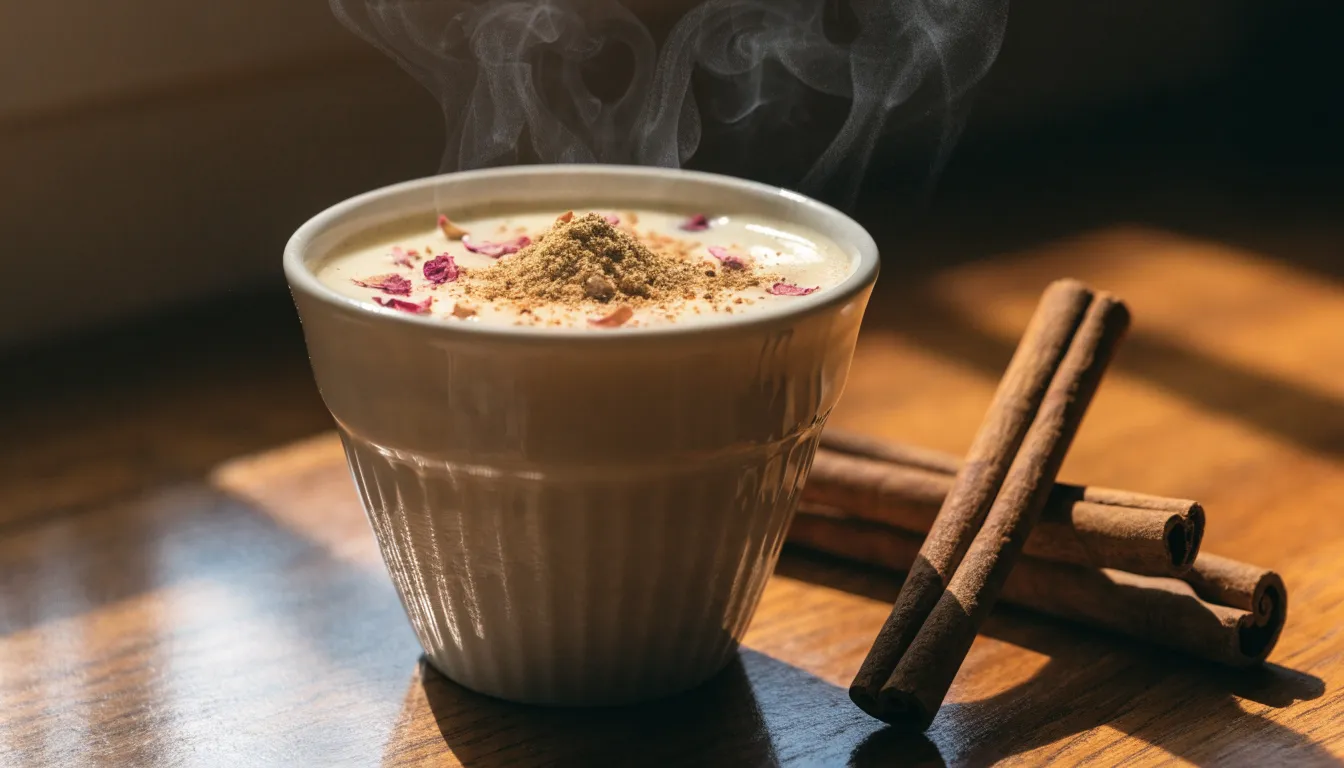
- Whisk 1/2 to 1 teaspoon of ashwagandha root powder into a small amount of warm water to form a smooth paste that prevents clumping.
- Warm 1 cup of whole milk (or almond or oat milk) in a saucepan over low to medium heat.
- Stir in the ashwagandha paste, a pinch of ground cinnamon, a small piece of crushed cardamom, a few strands of saffron, and a tiny pinch of black pepper.
- Add 1 teaspoon of ghee or coconut oil and simmer gently for 5 to 10 minutes.
- Remove from heat, strain if desired, let cool slightly, and stir in 1 teaspoon of honey or jaggery before sipping slowly.
Ashwagandha Dosage
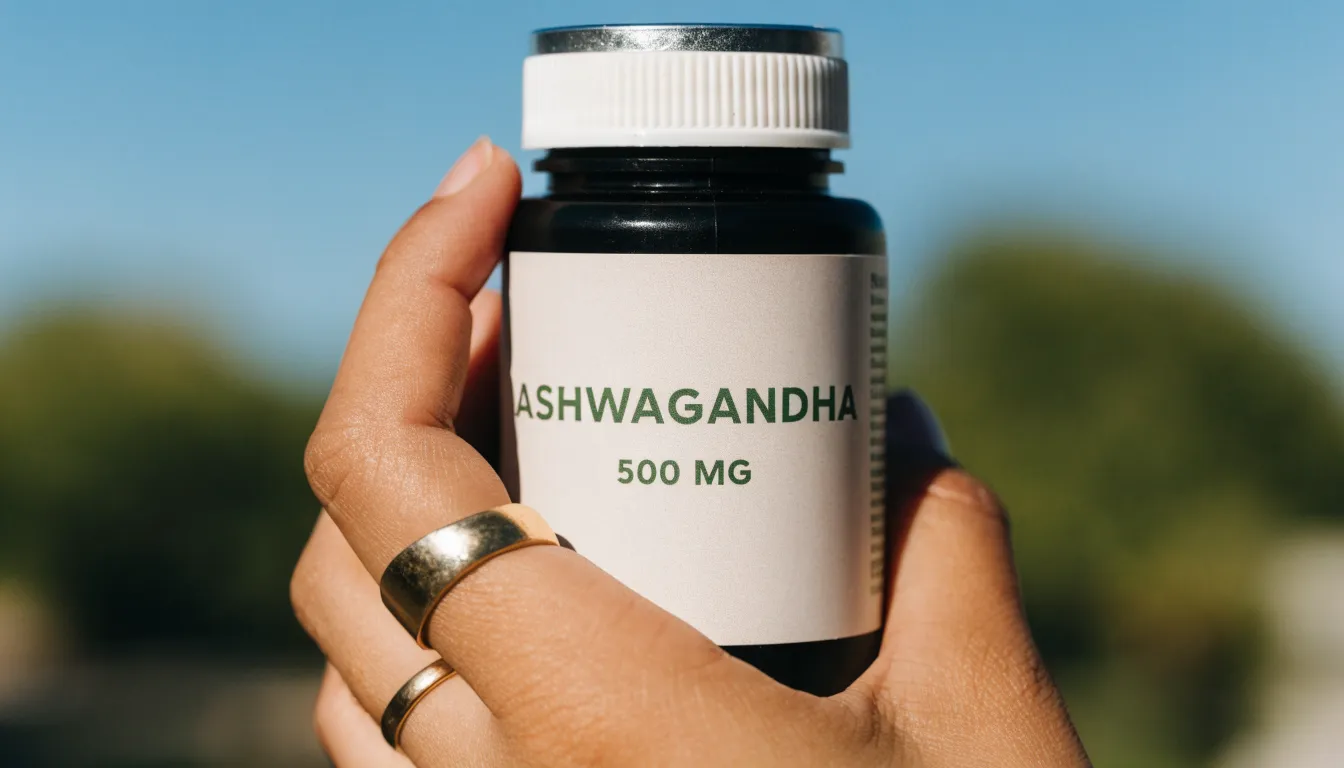
There is no established recommended dose of ashwagandha. Clinical studies have used between 300 mg and 1,000 mg of standardized root extract daily, depending on what was being studied:
- Stress and mood studies: 300 mg to 600 mg per day.
- Sleep studies: Around 600 mg per day.
- Exercise and strength studies: 500 mg to 1,000 mg per day, often split into two doses.
These figures describe what researchers tested, not a recommendation for you. Extract strengths vary widely between products, so the same milligram number on two labels may not mean the same thing. If you’re considering ashwagandha, review the safety section above first and ask your doctor or pharmacist whether it’s appropriate and at what dose.
Best Time of Day to Take It
Clinical trials have given ashwagandha in the morning, in the evening, or split between both, often with meals. Because it can cause drowsiness in some people, sleep studies typically dosed it in the evening. No research shows that one time of day is clearly better than another.
How Long Does Ashwagandha Take to Work?
Some users report feeling calmer within the first few days, though this is anecdotal and hasn’t been measured well in studies.
The benefits seen in research—such as measurable drops in cortisol, improved stress scores, and better sleep—build gradually. In clinical trials, significant changes typically emerged between four and twelve weeks of daily use.
Should You Cycle Ashwagandha?
Many herbalists and long-term users practice cycling—taking scheduled breaks from the herb. There is no clinical evidence that people build a tolerance to ashwagandha, but breaks let you evaluate how you feel without it, and they limit continuous exposure given that long-term safety data beyond a few months are limited. Common cycling schedules include:
- Five days on, two days off each week.
- Several weeks on, followed by one week off.
- Two to three months of daily use, followed by a two- to four-week break.
How to Buy Quality Ashwagandha
Because dietary supplements are not regulated like pharmaceuticals, use the following criteria to evaluate product quality:
- Third-party testing: Look for independent verification seals or certificates of analysis (COAs) from organizations like USP, NSF, or ConsumerLab confirming that the contents match the label.
- Heavy metal screening: Ashwagandha roots can absorb lead, arsenic, mercury, and cadmium from soil. Reputable brands test every batch for heavy metals and disclose the country of origin.
- Clear standardization and plant part disclosure: Choose supplements that specify root-only (or clearly labeled root-and-leaf) extracts standardized to a stated withanolide percentage (commonly 2.5 to 5 percent for root extracts) rather than unstandardized powders or undisclosed leaf blends.
Ashwagandha FAQ
How much ashwagandha should I take per day? There’s no established recommended dose. Most clinical trials used 300 to 600 mg of standardized root extract daily, and some exercise studies used up to 1,000 mg. Ask your doctor or pharmacist what’s appropriate for you.
How long does ashwagandha take to work? Most studied benefits, like lower stress scores and better sleep, show up after four to twelve weeks of daily use.
Is ashwagandha habit-forming? No. Ashwagandha is not known to act on brain reward pathways or cause physical dependence, and it can be discontinued without withdrawal symptoms.
Is root or leaf extract better? Root extracts are the traditional choice and have the longest record of safe use in clinical trials. Leaf extracts are cheaper and high in withaferin A, which raises some long-term tolerability questions.
Is ashwagandha safe with thyroid problems? It may raise thyroid hormone levels. People with hyperthyroidism should not take it, and people on thyroid medication should not take it unless their doctor specifically approves.
Can I take ashwagandha while pregnant or breastfeeding? No. It’s advised against during pregnancy, and there isn’t enough safety data for breastfeeding.
Can ashwagandha cause emotional blunting? It hasn’t been widely documented in clinical trials, but some users report feeling emotionally flat or unmotivated while taking it. If this happens, stop taking it and talk to your doctor.
Does ashwagandha help with weight loss? Ashwagandha is not a direct weight-loss supplement. It may indirectly help chronically stressed people by curbing stress-related eating and improving sleep, but clinical findings on body fat and metabolic markers remain mixed.
Can you take ashwagandha with other supplements? There is little research on combining ashwagandha with other herbs, and it already appears in many multi-ingredient stress and sleep blends, so check labels to avoid doubling up. Combining it with other sedating or blood-pressure-lowering supplements may add to those effects. Ask a pharmacist before combining it with anything else.
What other herbs are considered adaptogens? Other herbs traditionally grouped with ashwagandha as adaptogens include holy basil (tulsi), rhodiola, and ginseng. Each has its own evidence base and safety profile.
Matthew Atkins
Matthew studied biology and has worked in conservation. He's been interested in medicinal herbs for many years. More about HerbsList
This page is for general information only and isn't medical advice. Talk with a doctor or pharmacist before taking any herb or supplement. Full disclaimer