Cat's Claw: Benefits, Uses and Side Effects
 By Matthew Atkins ·

Cat’s claw is a woody vine from the Amazon rainforest, named for its hooked thorns. Its bark has long been used in Peru for arthritis, stomach problems and infections, and today it’s sold as a supplement for joints and immunity. Two small trials found some benefit for knee osteoarthritis and rheumatoid arthritis, but there’s no conclusive evidence it works for any health condition. It seems safe for most adults for short periods, but it can interact with several medicines and isn’t for people with autoimmune disease or who are pregnant.
Table of Contents
- What Is Cat’s Claw?
- Where It Grows and How It’s Harvested
- Traditional Uses
- What the Research Shows
- Arthritis
- Immune System Claims
- Other Claimed Benefits
- How to Use Cat’s Claw
- How Much to Take
- Side Effects
- Drug Interactions
- Who Should Avoid It
- How to Buy Cat’s Claw
- Frequently Asked Questions
- References
What Is Cat’s Claw?
Cat’s claw, or uña de gato in Spanish, is a climbing vine that grows wild in the Amazon and other tropical parts of Central and South America. It gets its name from the small curved thorns along its stems, which it uses to hook onto trees as it climbs (NCCIH).
Two species are sold as cat’s claw:
- Uncaria tomentosa makes up most of the cat’s claw sold in the US.
- Uncaria guianensis is more common in Europe.
In South America the two are used interchangeably (PeaceHealth). They aren’t identical, though, and the two main studies tested different species, so check which one a product contains.
Don’t confuse cat’s claw with devil’s claw or cat’s foot. They’re different plants with different uses (NCCIH).

Where It Grows and How It’s Harvested
Cat’s claw grows in warm, humid lowland rainforest, especially in Peru, where much of the world’s supply comes from. It’s a liana, a vine that climbs high into the forest canopy using trees for support.
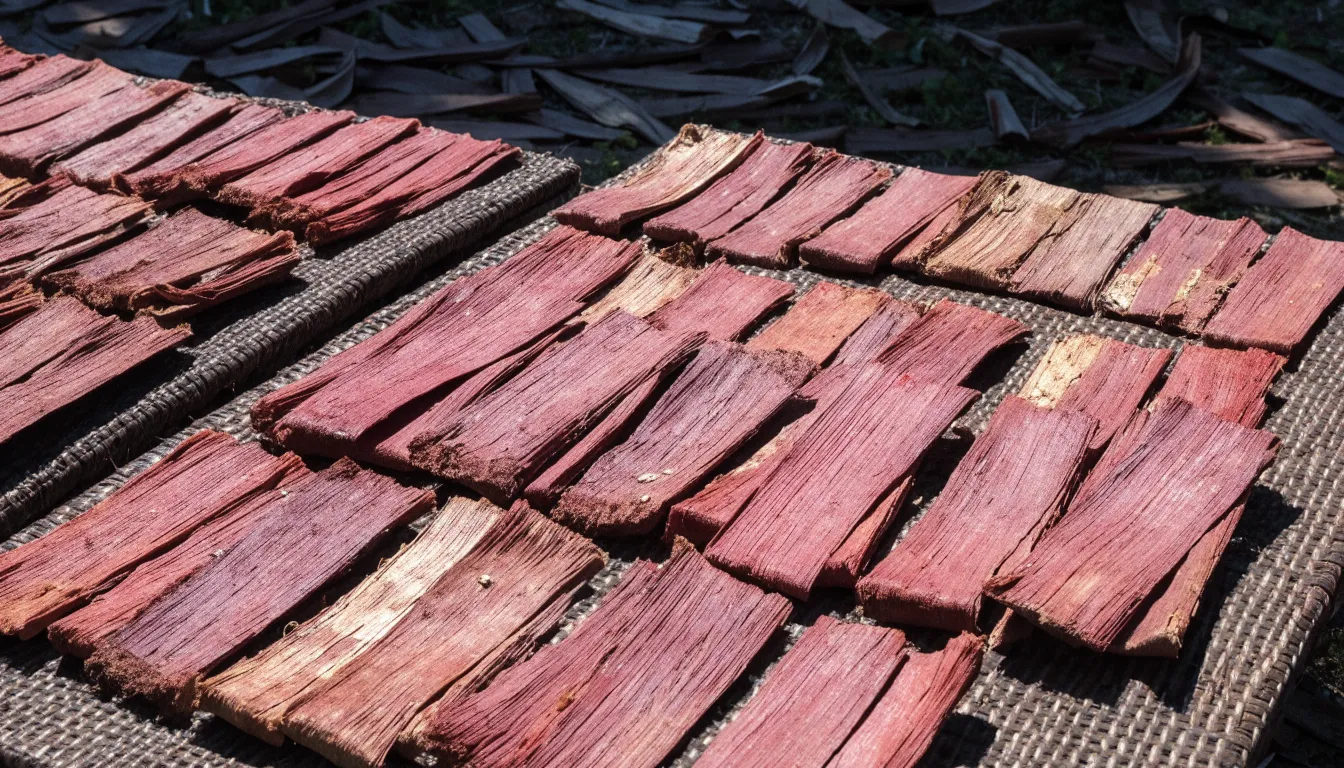
The parts used are the inner bark and the root. Harvesters cut sections of mature vines and strip the bark, which is then dried before being brewed, ground or processed into extracts. Taking stem bark rather than digging up roots lets the vine grow back, which matters because most supply is still wild-harvested.
Traditional Uses
Indigenous peoples of the Amazon have used cat’s claw for centuries. The bark was usually boiled into a strong tea (a decoction). Traditional uses included (NCCIH; MSKCC):
- Arthritis, inflammation and pain
- Stomach ulcers and digestive problems
- Fevers and infections
- Recovery after childbirth
- Contraception and ending pregnancy
That last use is one reason cat’s claw is considered unsafe during pregnancy. Traditional use shows how people used a plant, not that it works.
What the Research Shows
There have been very few high-quality studies of cat’s claw in people. NCCIH says there’s no conclusive evidence from human studies that it helps any health condition, and that many of the studies that do exist weren’t well designed (NCCIH).
| Use | What studies found | Evidence |
|---|---|---|
| Knee osteoarthritis | One small 4-week trial found less pain with activity than placebo (Piscoya et al. 2001) | Limited |
| Rheumatoid arthritis | One small 24-week trial, as an add-on to standard drugs, found fewer painful joints (MSKCC) | Limited |
| Immune support | Lab studies only; not proven in people (MSKCC) | No reliable human evidence |
| Digestion, ulcers, gut problems | Traditional use only | No reliable human evidence |
| Cancer, viral infections | Lab studies only | No reliable human evidence |
| Skin | No good studies; safety on skin unknown (NCCIH) | No reliable human evidence |
Arthritis
Arthritis is where cat’s claw has the most human research, but there isn’t much of it.
Osteoarthritis. In a 2001 trial, 45 people with knee osteoarthritis took either freeze-dried Uncaria guianensis or a placebo for four weeks (Piscoya et al. 2001). The group taking cat’s claw had less knee pain during activity, with few side effects. It didn’t reduce pain at rest or at night, or knee swelling. The trial was small and short, and it tested U. guianensis, not the U. tomentosa found in most US products.
Rheumatoid arthritis. In a 2002 trial, 40 people with rheumatoid arthritis who were already on standard medicines added either a specially purified U. tomentosa extract or a placebo for 24 weeks. The cat’s claw group had fewer tender joints (Mur et al. 2002). MSKCC describes the benefit as modest and says larger, well-designed studies are needed (MSKCC).
That’s essentially the human evidence: two small trials, each using a specific product. Neither has been confirmed by larger studies. Rheumatoid arthritis is an autoimmune disease, and cat’s claw may make the immune system more active, so never use it in place of your prescribed treatment, and talk to your rheumatologist first.
For other herbs studied for joint pain, see our turmeric guide. Curcumin, its main compound, has more trial evidence for knee osteoarthritis.

Immune System Claims
Cat’s claw is often sold as an immune booster. The idea comes from compounds in the bark called oxindole alkaloids. In lab experiments, these compounds stimulated certain immune cells (MSKCC).
What happens in a lab dish often doesn’t happen in a person. Cat’s claw hasn’t been shown to boost immunity or reduce inflammation in people. And if it does make the immune system more active, that’s a reason for caution, not just a benefit. People with autoimmune diseases, organ transplants, or certain blood cancers could be harmed (see Who Should Avoid It).
Other Claimed Benefits
You’ll see cat’s claw marketed for digestion, “leaky gut,” detox, stress, energy, aging, skin, cancer, Lyme disease and viral infections. None of these is supported by good human studies. Some come from lab research, and others from traditional use or marketing alone.
Cat’s claw is sometimes called an adaptogen, but it isn’t one of the herbs usually given that label. See our adaptogens guide for the herbs that are, and how much evidence each has.
For herbs grouped by what they’re used for, see our list of herbs by health condition.
How to Use Cat’s Claw
Cat’s claw comes in several forms:

- Capsules and tablets. The most common form. Look for standardized extracts, which list how much of the active alkaloids each dose contains.
- Tea. Traditionally made by simmering dried bark in water for 15 to 30 minutes. It’s bitter, and strength varies a lot from batch to batch.
- Tinctures. Liquid extracts, usually in alcohol, taken by the dropper.
- Powder. Ground bark that can be mixed into drinks. Strength varies.
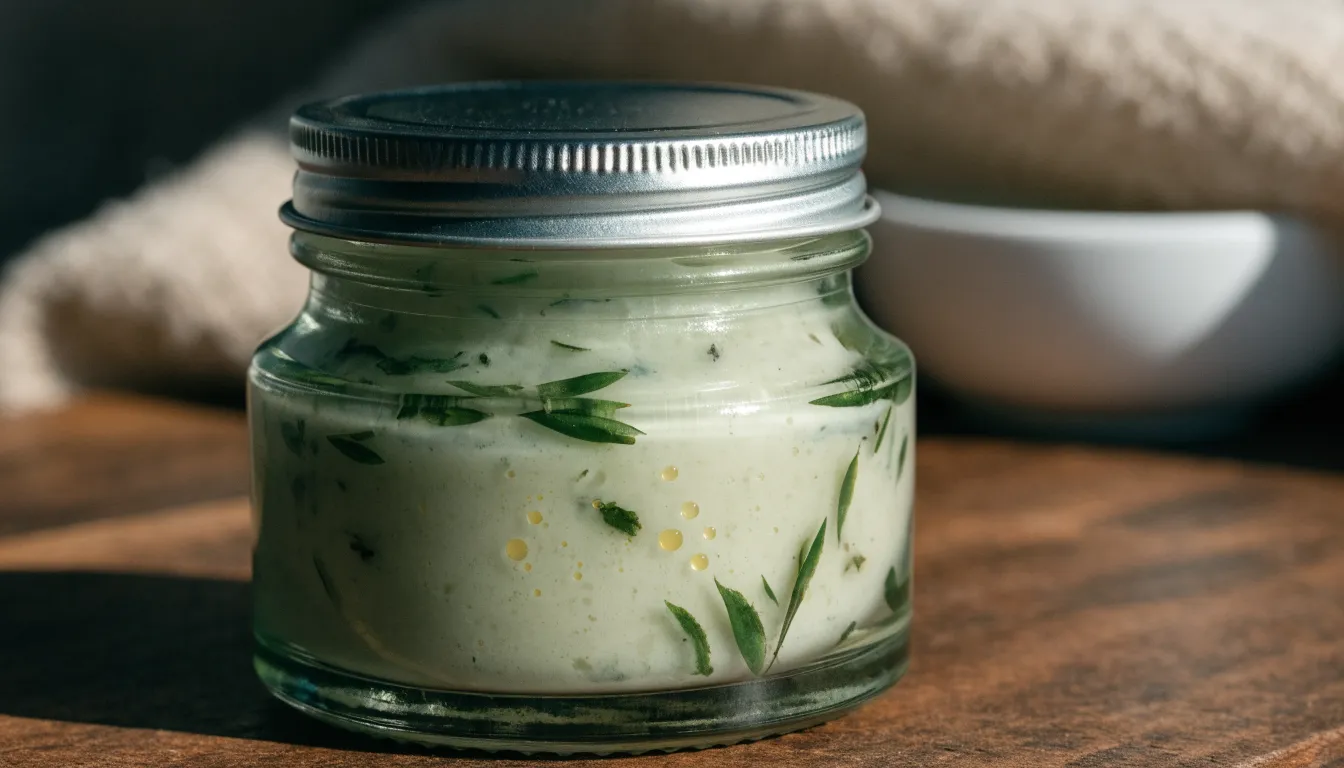
Creams and skin products. Some skincare products include cat’s claw extract. There isn’t enough reliable information to know whether cat’s claw is safe or useful on the skin (NCCIH). Patch-test any new product on your inner forearm first.
How Much to Take
There’s no standard dose. The two arthritis trials used very different products (Piscoya et al. 2001; Mur et al. 2002):
- Osteoarthritis trial: 100 mg a day of freeze-dried U. guianensis, for four weeks
- Rheumatoid arthritis trial: 60 mg a day of a purified U. tomentosa extract (20 mg three times a day), for 24 weeks
Store products may contain much more or much less than these amounts, and different alkaloids, so these doses don’t transfer neatly. Follow the label, don’t combine products, and talk to your doctor before taking cat’s claw regularly. NCCIH says it appears safe when taken by mouth for up to six months (NCCIH). Longer-term safety isn’t known.
Side Effects
Few side effects have been reported in studies, but safety hasn’t been well studied. Reported side effects include:
- Stomach upset, nausea or diarrhea
- Headache and dizziness
- Allergic skin reactions
There are also rare case reports of more serious problems. One person developed kidney failure apparently triggered by cat’s claw (EBSCO). In another case, a man’s Parkinson’s disease got worse after he started cat’s claw and improved after he stopped (PeaceHealth). Case reports don’t prove cat’s claw caused these problems, but they’re a reason for caution.
Cat’s claw may also lower blood pressure, so stop and check with your doctor if you feel lightheaded.
Drug Interactions
Talk to your doctor or pharmacist before taking cat’s claw if you take any regular medicine (NCCIH). Specific concerns include:
- HIV medicines. In case reports, cat’s claw raised blood levels of atazanavir, ritonavir and saquinavir, which can increase their side effects (MSKCC).
- Drugs broken down by the liver. In lab studies, cat’s claw blocks CYP3A4, an enzyme that processes many common medicines. That could raise their levels.
- Immunosuppressants. Medicines taken after an organ transplant or for autoimmune disease work by calming the immune system. Cat’s claw may work against them.
- Blood thinners. Cat’s claw may slow blood clotting, which could add to the effect of warfarin, clopidogrel or daily aspirin (NCCIH).
- Blood pressure medicines. Cat’s claw may add to their effect.
Stop taking cat’s claw at least two weeks before surgery, and tell your surgeon you were taking it.
Who Should Avoid It
Don’t take cat’s claw, or talk to your doctor first, if you:
- Are pregnant or trying to get pregnant. It was traditionally used to prevent and end pregnancies, and it hasn’t been shown to be safe (NCCIH).
- Are breastfeeding. There isn’t enough safety information.
- Have an autoimmune disease such as lupus, multiple sclerosis or rheumatoid arthritis. Cat’s claw might make the immune system more active and worsen symptoms (NCCIH).
- Have had an organ transplant or take immunosuppressants.
- Have leukemia. In one lab study, a cat’s claw extract helped pediatric leukemia cells survive (MSKCC).
- Have low blood pressure, a bleeding disorder, or kidney or liver disease.
- Have surgery coming up.
- Are giving it to a child. It hasn’t been studied in children.
How to Buy Cat’s Claw
- Check the species. Labels should say Uncaria tomentosa or Uncaria guianensis. Avoid products that just say “cat’s claw” with no Latin name, and don’t mix it up with devil’s claw.
- Look for a standardized extract that lists its alkaloid content.
- Look for third-party testing, such as USP or NSF seals, which check that the product contains what it says and isn’t contaminated.
- Prefer bark products to root products. Harvesting bark lets the vine regrow; harvesting roots kills it.
- Be wary of big claims. Products promising to cure cancer, Lyme disease or HIV aren’t backed by evidence.
Frequently Asked Questions
What is cat’s claw used for?
It’s mostly taken for arthritis and to “support immunity.” Small studies found some benefit for knee osteoarthritis and rheumatoid arthritis, but the immune claims come from lab studies and haven’t been shown in people.
Does cat’s claw really boost the immune system?
Not in any proven way. Compounds in cat’s claw stimulated immune cells in lab experiments, but that hasn’t been shown in people. If it does activate the immune system, that could be harmful for people with autoimmune diseases or organ transplants.
Is cat’s claw safe?
For most healthy adults, it appears safe when taken by mouth for up to six months. It isn’t safe in pregnancy, and it can interact with HIV medicines, immunosuppressants, blood thinners and other drugs. Talk to your doctor before taking it if you take any regular medicine.
How long does cat’s claw take to work for joint pain?
In the osteoarthritis trial, people noticed less pain within four weeks. The rheumatoid arthritis trial ran for 24 weeks. If you notice no difference after a month or two, it probably isn’t helping you.
Is cat’s claw the same as devil’s claw?
No. Devil’s claw (Harpagophytum procumbens) is an African plant also taken for joint pain. They’re different plants with different compounds, risks and research.
Can I take cat’s claw with my arthritis medicine?
Only with your doctor’s approval. In the rheumatoid arthritis trial it was added to standard medicines under medical supervision. Don’t stop or change your prescribed treatment on your own.
References
- National Center for Complementary and Integrative Health (NCCIH). Cat’s Claw. https://www.nccih.nih.gov/health/cats-claw
- Memorial Sloan Kettering Cancer Center (MSKCC). Cat’s Claw. https://www.mskcc.org/cancer-care/integrative-medicine/herbs/cat-claw
- Piscoya J, Rodriguez Z, Bustamante SA, et al. Efficacy and safety of freeze-dried cat’s claw in osteoarthritis of the knee: mechanisms of action of the species Uncaria guianensis. Inflammation Research. 2001;50(9):442–448. https://pubmed.ncbi.nlm.nih.gov/11603848/
- Mur E, Hartig F, Eibl G, Schirmer M. Randomized double blind trial of an extract from the pentacyclic alkaloid-chemotype of Uncaria tomentosa for the treatment of rheumatoid arthritis. Journal of Rheumatology. 2002;29(4):678–681. https://pubmed.ncbi.nlm.nih.gov/11950006/
- PeaceHealth. Cat’s Claw. https://www.peacehealth.org/medical-topics/id/hn-2064008
- EBSCO Research Starters. Cat’s claw’s therapeutic uses. https://www.ebsco.com/research-starters/health-and-medicine/cats-claws-therapeutic-uses
- Cosentino C, Torres L. Reversible worsening of Parkinson’s disease motor symptoms after oral intake of Uncaria tomentosa (cat’s claw). Clinical Neuropharmacology. 2008;31:293–294.
Matthew Atkins
Matthew studied biology and has worked in conservation. He's been interested in medicinal herbs for many years. More about HerbsList
This page is for general information only and isn't medical advice. Talk with a doctor or pharmacist before taking any herb or supplement. Full disclaimer