Herbs for Adrenal Fatigue: What May Help
 By Matthew Atkins · Updated
“Adrenal fatigue” is a popular term for ongoing exhaustion, brain fog, and feeling worn down by stress. It is not a recognized medical diagnosis: research has not found that everyday stress wears out the adrenal glands, and cortisol levels in people with these symptoms are usually normal. The tiredness is real, though, and it often has a medical cause worth finding first. Once those are ruled out, some herbs, especially ashwagandha, may modestly help with stress and sleep alongside better sleep, food, and stress-management habits. Each herb below lists an evidence rating, a typical adult dose, and its key cautions.
Table of Contents
- What Is Adrenal Fatigue?
- How Herbs May Help
- Adaptogens for Stress and Fatigue
- Why to Skip Licorice Root for Fatigue
- Calming Herbs for Nervous Tension and Sleep
- Herbs for Stress and Fatigue Compared
- How to Use Herbs for Stress and Fatigue
- Side Effects and Safety
- Lifestyle Habits That Help
- When to See a Doctor
- Frequently Asked Questions
- Sources
What Is Adrenal Fatigue?
Adrenal fatigue is a lay term for persistent exhaustion that doesn’t improve with rest, along with mental fog and feeling easily overwhelmed by stress. People who use the term often describe waking up tired after a full night’s sleep, relying on caffeine to get through the afternoon, and sleeping poorly. The idea behind the term is that long-term stress from work, caregiving, illness, or emotional strain overworks the adrenal glands until they can’t make enough hormones. That idea has not held up in research, but the symptoms people describe are real and worth taking seriously.
Is Adrenal Fatigue a Real Diagnosis?
No. The Endocrine Society, the main professional organization for hormone specialists, does not recognize adrenal fatigue as a medical condition. It is not in the International Classification of Diseases, and there are no accepted tests or diagnostic criteria for it. A 2016 systematic review of 58 studies concluded that there is no evidence adrenal fatigue exists as a distinct condition (Cadegiani and Kater, 2016).
Saliva and blood cortisol tests sold online for “adrenal fatigue” have not been shown to diagnose anything. Cortisol levels in people with these symptoms usually fall within normal ranges, and no cutoff separates people with symptoms from those without.
The main risk of the label is that it can lead people to treat themselves with supplements while a real, treatable cause of their exhaustion goes unnoticed.
Adrenal Fatigue vs. Adrenal Insufficiency
Adrenal insufficiency is a real and potentially life-threatening condition in which the adrenal glands don’t make enough cortisol and, in some cases, aldosterone. It includes Addison’s disease. Symptoms include severe fatigue, weight loss, low blood pressure, dizziness on standing, salt cravings, and darkening of the skin. It needs prompt medical care and lifelong hormone replacement.
Doctors diagnose it with blood tests, including an ACTH stimulation test, which checks how well the adrenal glands respond to a hormone signal. Causes include autoimmune disease, infections such as tuberculosis, and stopping steroid medication suddenly. Self-treating “adrenal fatigue” with herbs can dangerously delay the diagnosis of true adrenal insufficiency.
Other Causes of Ongoing Fatigue to Rule Out
Persistent exhaustion is a symptom of many conditions that need medical attention rather than a supplement:
- Hypothyroidism: Low thyroid hormone causes tiredness, feeling cold, weight gain, and trouble concentrating.
- Anemia: Iron or vitamin B12 deficiency reduces the blood’s ability to carry oxygen.
- Depression and anxiety: Both commonly cause exhaustion, poor sleep, and brain fog.
- Obstructive sleep apnea: Repeated pauses in breathing during sleep prevent deep rest, causing daytime exhaustion that is often mistaken for overwork.
- Autoimmune conditions: Rheumatoid arthritis, lupus, and celiac disease often cause fatigue along with joint pain, rashes, or digestive problems.
- Other causes: Diabetes, chronic infections, kidney or liver disease, long COVID, and medication side effects.
Fatigue lasting more than a few weeks deserves a doctor’s visit and basic blood work before you start any herbal routine.
How Stress Affects Cortisol and Energy
The hypothalamic-pituitary-adrenal (HPA) axis is the body’s central stress-response system. When you face a stressor, the hypothalamus releases corticotropin-releasing hormone (CRH), which signals the pituitary gland to release adrenocorticotropic hormone (ACTH). This prompts the adrenal glands to release cortisol, which raises blood sugar, sharpens alertness, and prepares the body to act. Cortisol normally peaks shortly after waking and falls through the day.

Some studies of people under long-term stress have found changes in the daily cortisol pattern, such as a flatter curve from morning to evening, but results are inconsistent and the adrenal glands keep working normally. Stress affects energy in more direct ways too: it disrupts sleep, encourages irregular eating and more caffeine, and keeps the nervous system on alert. These are the problems herbs and lifestyle changes can realistically help with.
How Herbs May Help
Herbs can’t “repair” the adrenal glands, because there is no evidence they are damaged. What some herbs may do is ease stress, improve sleep, or reduce mental fatigue. They fall into two groups:
- Adaptogens: Herbs traditionally taken daily over weeks to help the body cope with stress. Ashwagandha has the best evidence. See our guide to adaptogens for more on how they are thought to work.
- Calming herbs (nervines): Herbs such as chamomile, lemon balm, and passionflower that are used for nervous tension and sleep. Their effects are generally mild.
How We Rate the Evidence
- Strong: Several well-designed randomized trials in people with consistent, replicated results. None of the herbs on this page reaches this level.
- Moderate: Some good-quality human trials with mostly positive results, but small, short, or not well replicated.
- Limited: A few small or mixed human studies, or mainly laboratory and animal research.
- Traditional: Long historical use with little or no clinical testing.
Doses are typical adult ranges from studies or standardized products. Your product’s label takes priority, and you should check with a doctor or pharmacist before starting any herb if you take medication.
Adaptogens for Stress and Fatigue
Adaptogens are meant to work gradually, over weeks, rather than giving a quick burst of energy. For most of them, the human evidence is small and mixed.
Ashwagandha
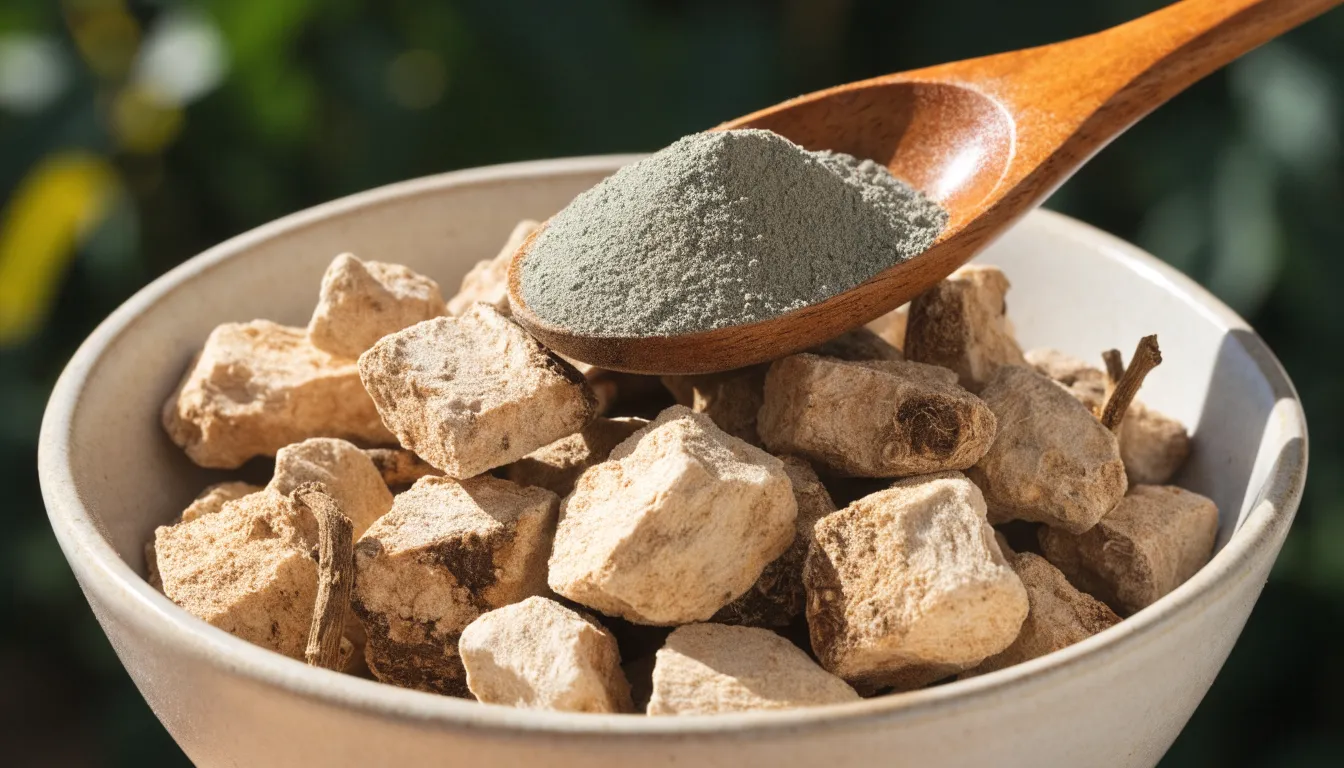
Ashwagandha (Withania somnifera) has the most clinical evidence of any adaptogen. Several small randomized trials, most lasting about eight weeks, found that standardized root extract reduced stress and anxiety scores and lowered cortisol compared with placebo. A few trials also reported that people fell asleep somewhat faster and slept better. Many of these trials were small and funded by extract manufacturers (NCCIH).
Evidence: Moderate (stress, anxiety, and sleep) · Typical adult dose: 300–600 mg/day of standardized root extract, for at least 6–8 weeks before judging the effect · Cautions: Rare but serious cases of liver injury have been reported; stop and see a doctor if you notice dark urine, yellowing skin or eyes, or abdominal pain. Can raise thyroid hormone levels, so avoid with hyperthyroidism and talk to a doctor if you take thyroid medication. Can cause drowsiness and add to the effect of sedatives. May interfere with immunosuppressants. Avoid in pregnancy.
Rhodiola Rosea
Rhodiola rosea is a plant from cold, high-altitude regions of Europe and Asia. Its roots contain rosavins and salidroside. Some small trials found less mental fatigue and burnout symptoms after several weeks of use, but others found no effect, and study quality is generally low (NCCIH).
Evidence: Limited · Typical adult dose: 200–600 mg/day of standardized extract, taken in the morning · Cautions: Can cause restlessness, irritability, or insomnia, especially if taken late in the day. May interact with antidepressants, diabetes drugs, and blood pressure drugs. Not studied in pregnancy.
Holy Basil (Tulsi)
Holy basil (tulsi) is a sacred plant in India and an Ayurvedic rasayana, or rejuvenating tonic. It has traditionally been taken as tea for low mood, mental fog, and nervous tension. A handful of small human studies reported reduced stress and anxiety symptoms, and a few small trials found modest drops in blood sugar in people with type 2 diabetes.
Evidence: Limited · Typical adult dose: 300–600 mg/day of leaf extract, or 1–2 cups of tulsi tea · Cautions: May lower blood sugar and slow blood clotting, so use caution with diabetes drugs and blood thinners, and stop two weeks before surgery. Animal studies suggest it may affect fertility, so avoid if pregnant or trying to conceive.
Eleuthero
Eleuthero (Eleutherococcus senticosus), sold as “Siberian ginseng,” was widely used in Soviet programs to boost stamina in workers and athletes. Modern controlled trials have mostly not found improvements in physical performance or fatigue, and claims about immune benefits rest mainly on older or laboratory research.
Evidence: Limited · Typical adult dose: 300–1,200 mg/day of dried root extract, or per label · Cautions: Can cause insomnia and may raise blood pressure. Can interfere with digoxin blood tests and may interact with diabetes drugs and blood thinners. Not studied in pregnancy.
Schisandra
The schisandra berry (Schisandra chinensis) is native to northern China and the Russian Far East. In traditional Chinese medicine it is used to calm the mind and sharpen focus. A few small human studies suggest it may reduce mental fatigue, and its lignans have shown liver-protective effects in laboratory and animal studies.
Schisandra also changes how the liver breaks down many medications, especially through the enzyme CYP3A4. That is a drug-interaction risk, not a benefit: it can raise or lower blood levels of drugs such as tacrolimus.
Evidence: Limited · Typical adult dose: 1.5–6 g/day of dried berry, or extract per label · Cautions: Talk to a doctor or pharmacist before use if you take any prescription medication. Can cause heartburn and stomach upset. Avoid in pregnancy.
Cordyceps
Cordyceps is a medicinal fungus traditionally used for energy and stamina. Laboratory studies suggest effects on cellular energy production and oxygen use, but results in people have been inconsistent.
Evidence: Limited · Typical adult dose: 1–3 g/day · Cautions: May interact with blood thinners, diabetes drugs, and immunosuppressants. Avoid with autoimmune conditions unless supervised, and in pregnancy.
Maca
Maca is a root vegetable from the high Andes of Peru, eaten as food for centuries. A few small trials reported improvements in energy, mood, and libido, including in peri- and postmenopausal women, but it does not appear to change hormone levels directly, and the evidence is thin.
Evidence: Limited · Typical adult dose: 1.5–3 g/day of powdered root (about 1–2 teaspoons) in drinks or food · Cautions: Generally well tolerated as a food. People with thyroid disease or hormone-sensitive conditions should talk to a doctor before taking concentrated supplements. Not studied in pregnancy.
Why to Skip Licorice Root for Fatigue
Licorice root is often recommended for “adrenal fatigue” because its sweet compound, glycyrrhizin, blocks the enzyme that breaks down cortisol, so cortisol lingers longer in the body. That is exactly why it is risky.
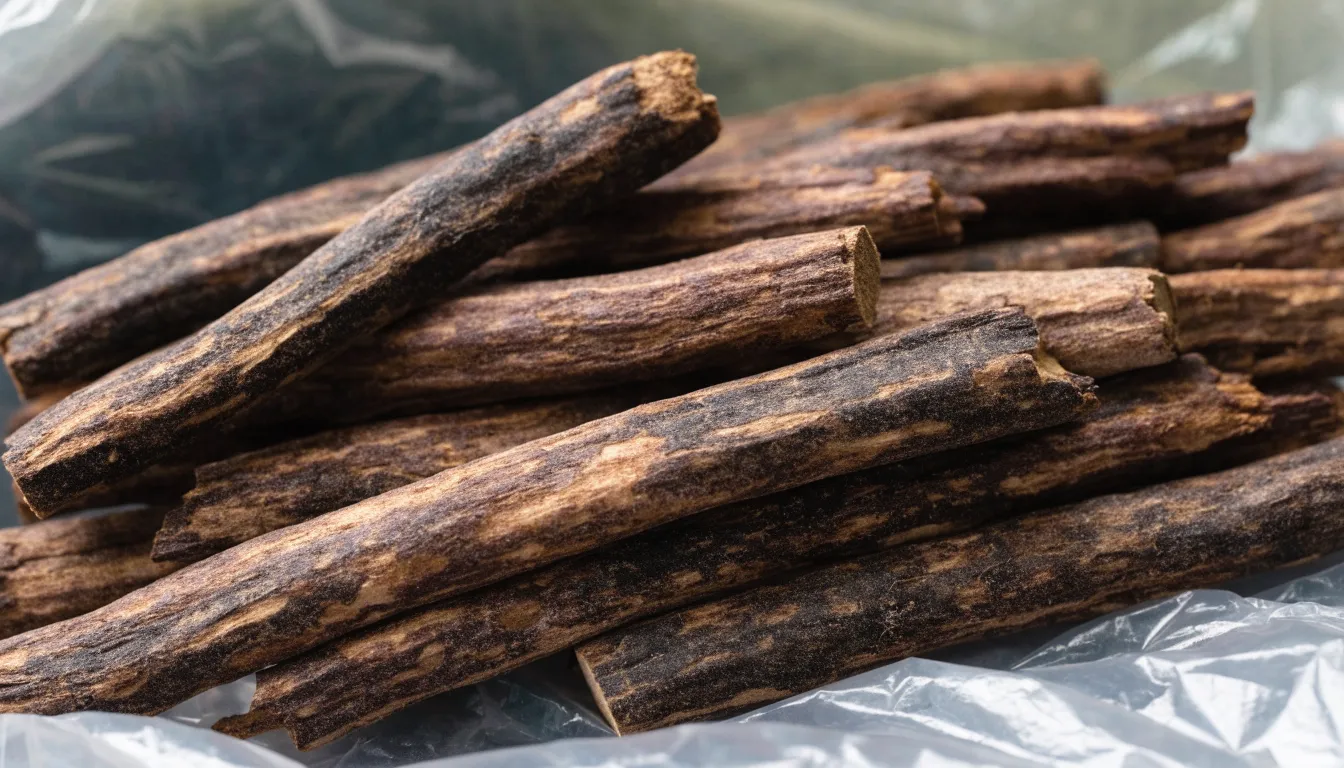
The same effect causes the body to hold on to sodium and lose potassium. With regular use, this can raise blood pressure and cause swelling, headaches, muscle weakness, and, in serious cases, dangerous heart rhythm problems (NCCIH). Since there is no evidence that fatigue comes from a lack of cortisol in the first place, the risk isn’t worth taking.
Evidence: Traditional (for fatigue) · Typical adult dose: Not recommended for fatigue · Cautions: Avoid with high blood pressure, heart disease, kidney disease, low potassium, and in pregnancy. Interacts with diuretics, digoxin, corticosteroids, and blood pressure drugs. Deglycyrrhizinated licorice (DGL) lacks glycyrrhizin, so it does not carry these risks, but it also does not have the cortisol effect.
Calming Herbs for Nervous Tension and Sleep
When stress keeps you on alert, sleep is usually the first thing to suffer, and poor sleep makes fatigue worse. Calming herbs are traditionally used to ease tension and help with sleep. Their effects are mild, and the evidence for each is limited, but they are generally low-risk for healthy adults.
Chamomile
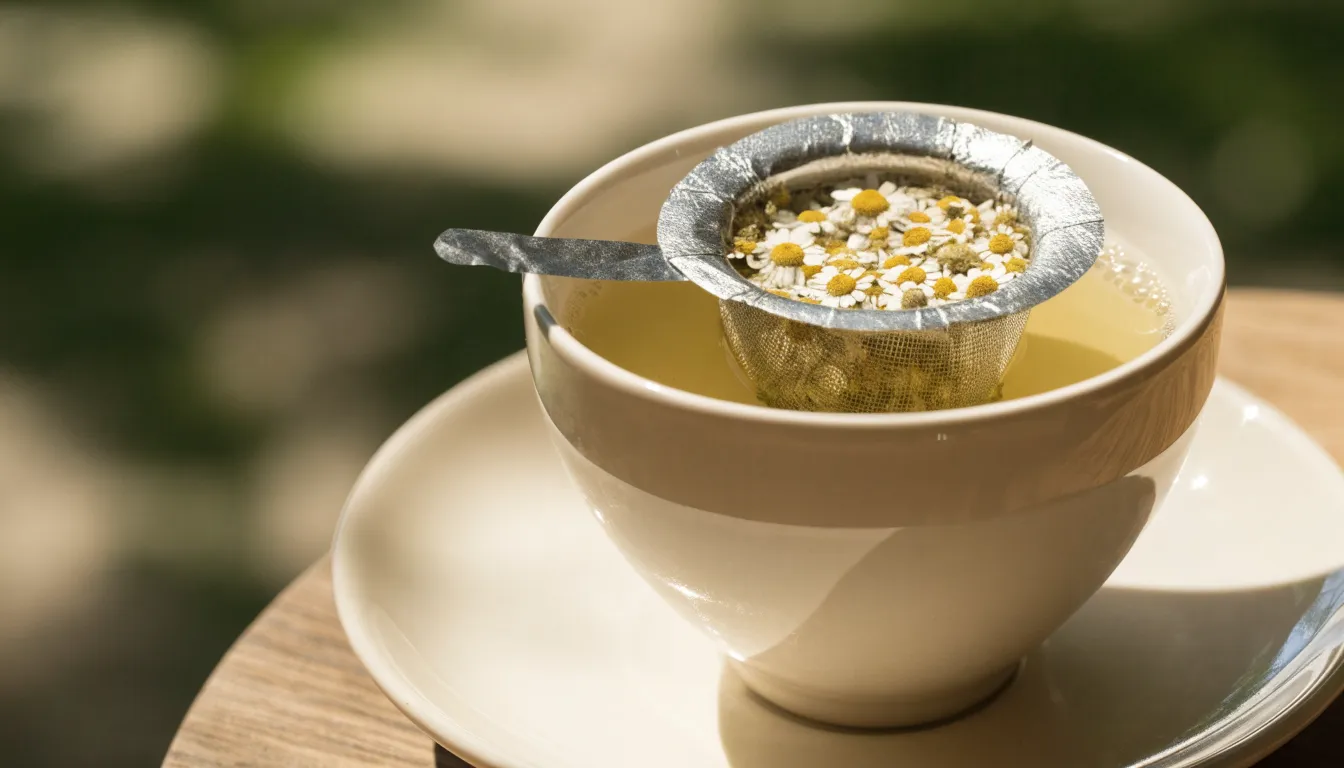
Chamomile (Matricaria chamomilla) contains apigenin, a flavonoid that binds weakly to the same brain receptors as some anti-anxiety drugs. Small studies, mostly in older adults and new mothers, suggest a modest improvement in sleep quality, and a few trials found it eased mild anxiety.
Evidence: Limited · Typical adult dose: 1 cup of tea (2–3 g dried flowers) before bed, or extract per label · Cautions: Avoid if allergic to ragweed, daisies, or related plants. May interact with blood thinners and add to the effect of sedatives.
Lemon Balm
Lemon balm (Melissa officinalis) is a citrus-scented mint traditionally used for nervous tension, sleep, and stress-related indigestion. A few small trials found it improved calmness and mild anxiety, sometimes in combination with valerian.
Evidence: Limited · Typical adult dose: 1.5–4.5 g dried leaf as tea, or 300–600 mg extract per day · Cautions: Can cause drowsiness and add to the effect of sedatives. May affect thyroid function, so use caution with thyroid disease or medication.
Passionflower
Passionflower (Passiflora incarnata) is traditionally used when racing thoughts or tension keep you awake. A few small studies suggest mild improvements in sleep quality and anxiety.
Evidence: Limited · Typical adult dose: 1–2 g dried herb as tea an hour or two before bed, or extract per label · Cautions: Can cause drowsiness, dizziness, and confusion, and adds to the effect of sedatives and alcohol. Avoid in pregnancy.
Milky Oat Tops
Milky oat tops are the green, immature seed heads of the oat plant, harvested while they release a milky liquid. Herbalists traditionally use them as a slow-acting “nerve tonic” for people who feel frayed and easily startled after long periods of stress. There is very little clinical research on them.
Evidence: Traditional · Typical adult dose: Tincture or strong infusion per label, taken daily · Cautions: Generally considered safe. People with celiac disease should choose products certified gluten-free, since oats can be cross-contaminated with wheat.
Herbs for Stress and Fatigue Compared
| Herb | Main use | Evidence | Energy effect | Best time to take |
|---|---|---|---|---|
| Ashwagandha | Stress, anxiety, sleep | Moderate | Calming | Evening |
| Rhodiola | Mental fatigue | Limited | Energizing | Morning |
| Holy basil | Stress | Limited | Neutral | Any time |
| Eleuthero | Stamina | Limited | Energizing | Morning |
| Schisandra | Mental fatigue | Limited | Mildly energizing | Morning or midday |
| Cordyceps | Stamina | Limited | Energizing | Morning |
| Maca | Energy, libido | Limited | Mildly energizing | Morning |
| Chamomile | Sleep, mild anxiety | Limited | Calming | Evening |
| Lemon balm | Tension, mild anxiety | Limited | Calming | Afternoon or evening |
| Passionflower | Sleep, anxiety | Limited | Calming | Evening |
| Milky oat tops | Nervous tension | Traditional | Neutral | Any time |
| Licorice root | Not recommended for fatigue | — | — | — |
How to Use Herbs for Stress and Fatigue
Start with one herb at the low end of its dose range, give it several weeks, and keep notes so you can tell whether it actually helps.
Teas, Tinctures and Capsules
- Teas: Gentle and easy to build into a routine, but they deliver lower amounts than extracts. Cover the cup while leafy herbs steep to keep in their aromatic oils, and simmer roots for 10–15 minutes.
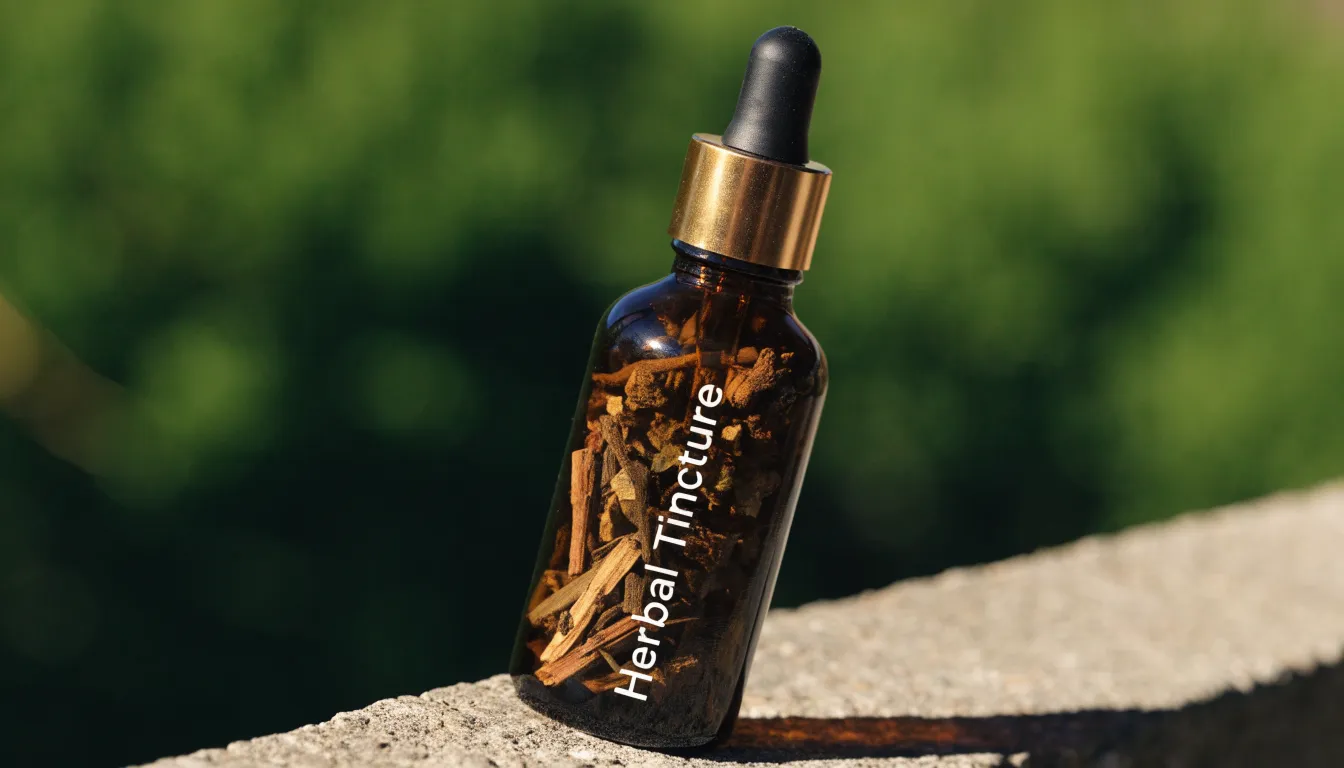
- Tinctures: Liquid extracts in alcohol or glycerin, dosed by the dropper. Alcohol extracts more compounds than glycerin. Store them away from heat and light.
- Capsules: Standardized extract capsules give the most consistent dose from batch to batch, which makes it easier to tell whether an herb is working.
Simple Herbal Tea Blends for Stress
Steep dried herb blends, covered, for 5–10 minutes:
- Daytime calming blend: Equal parts lemon balm and chamomile with a pinch of rose petals, for a light, citrusy tea that calms without heavy drowsiness.
- Midday focus blend: Tulsi with peppermint, or a small amount of green tea with peppermint for gentle alertness.
- Evening sleep blend: Passionflower, chamomile, and a touch of lavender. Some herbalists add skullcap; if you do, buy it from a reputable, tested source, since liver injury has been linked to skullcap products contaminated with other plants.
Store loose blends in dark, airtight jars.
Building a Daily Routine
Take energizing herbs such as rhodiola, eleuthero, ginseng, or green tea with breakfast so they don’t interfere with sleep. Take calming herbs such as chamomile, lemon balm, passionflower, or ashwagandha with dinner or an hour before bed.
Start with one herb at a time, keep a simple log of doses, sleep, energy, and mood for at least two weeks, and stop if you notice digestive upset, headaches, or worse sleep.
How Long Before You Notice a Difference
- Calming teas: Chamomile, lemon balm, and passionflower may help you feel more relaxed within an hour, though the effect is mild.
- Adaptogens: Ashwagandha, rhodiola, and holy basil are studied over 6–12 weeks of daily use. If you notice no difference after about eight weeks, the herb is unlikely to help you.
If your fatigue isn’t improving, see a doctor rather than adding more herbs.
Side Effects and Safety
- Digestive upset: Nausea, cramping, and loose stools are the most common complaints, especially on an empty stomach. Taking herbs with food and lowering the dose usually helps.
- Sleep changes: Energizing herbs can cause jitteriness and insomnia if taken late in the day, while calming herbs and ashwagandha can cause daytime drowsiness.
- Liver problems: Rare cases of liver injury have been linked to ashwagandha and to contaminated skullcap products. Stop and see a doctor if you notice dark urine, pale stools, yellowing skin or eyes, or upper abdominal pain.
Drug Interactions
Talk to a doctor or pharmacist before combining these herbs with:
- Sedatives and sleep aids: Ashwagandha, chamomile, lemon balm, and passionflower can add to their effects and cause excessive drowsiness.
- Thyroid medication: Ashwagandha can raise thyroid hormone levels, and lemon balm may affect thyroid function.
- Blood thinners: Holy basil, chamomile, eleuthero, and cordyceps may increase bleeding risk.
- Immunosuppressants: Ashwagandha and cordyceps may counteract them, and schisandra can change their blood levels.
- Drugs broken down by CYP3A4: Schisandra can raise or lower blood levels of many medications.
- Diabetes and blood pressure drugs: Holy basil, rhodiola, and eleuthero may affect blood sugar or blood pressure. Licorice raises blood pressure and interacts with diuretics, digoxin, and corticosteroids.
- Antidepressants: Rhodiola may interact with them.
Pregnancy and Breastfeeding
Avoid ashwagandha, licorice root, holy basil, schisandra, cordyceps, and passionflower during pregnancy. Most of the other herbs on this page have not been studied in pregnancy or breastfeeding, so avoid supplement-strength doses unless your doctor or midwife specifically recommends one. Normal food amounts of herbs, such as a cup of chamomile tea, are a separate question to discuss with your provider.
Who Should Avoid These Herbs
Avoid these herbs, or use them only with medical approval, if you:
- Have thyroid disease, especially hyperthyroidism (ashwagandha, lemon balm).
- Have liver disease (ashwagandha, skullcap).
- Have an autoimmune disease or have had an organ transplant, since several of these herbs affect the immune system or transplant drug levels.
- Have high blood pressure, heart disease, or kidney disease (licorice, eleuthero).
- Have a hormone-sensitive condition, such as certain breast, uterine, or prostate cancers, or endometriosis.
- Are scheduled for surgery. Stop at least two weeks beforehand.
These supplements are not recommended for children.
Lifestyle Habits That Help
For stress-related tiredness, sleep, food, and movement matter more than any supplement. Setting limits on work and screen time, and spending even 10 minutes a day on slow breathing, meditation, or time outdoors, can lower stress levels.
Sleep
- Keep a consistent wake-up time, and get 10–20 minutes of outdoor daylight within an hour of waking.
- Stop caffeine by early afternoon, since it can disrupt sleep for many hours.
- Dim lights and put screens away an hour or two before bed.
- Keep the bedroom cool, dark, and quiet. If you can’t fall asleep within about 20 minutes, get up and do something quiet in low light until you feel sleepy.
- Aim for seven to nine hours a night. If you snore loudly or wake up gasping, ask a doctor about sleep apnea.
Nutrition
Regular, balanced meals help keep your energy steady. Build meals around vegetables, whole grains or legumes, protein, and healthy fats, and go easy on sugary foods and late-day alcohol.
Some nutrient deficiencies cause fatigue in their own right:
- Iron: Low iron is a common cause of tiredness, especially in women with heavy periods. Get tested before taking iron supplements, since too much iron is harmful.
- Vitamin B12: Deficiency is more common in vegans, older adults, and people taking metformin or acid-reducing drugs.
- Vitamin D: Low levels are common, especially in winter.
A doctor can test for these with a simple blood draw. Don’t add extra salt unless a doctor tells you to.
Exercise and Movement
When you’re exhausted, intense workouts can leave you more drained and disrupt sleep. Start with gentle, regular movement such as a 20–30 minute walk, yoga, or tai chi, and build back up to harder exercise gradually as your energy returns.
When to See a Doctor
See a doctor if fatigue lasts more than a few weeks or interferes with daily life, and seek prompt care if it comes with any of these:
- Whole-body signs: Unexplained weight loss, fevers, or drenching night sweats.
- Heart and nerve signs: Chest pain, palpitations at rest, shortness of breath with little effort, fainting, dizziness when standing, severe headaches, or new confusion or memory loss.
- Mood changes: Persistent hopelessness, or anxiety that disrupts sleep and appetite. If you have thoughts of harming yourself, call or text 988 (in the US) or contact a clinician right away.
- Signs of adrenal insufficiency: Darkening skin, salt cravings, low blood pressure, nausea, or vomiting alongside fatigue.
- Other signs: Blood in the stool, ongoing nausea or loss of appetite, irregular periods, or loss of libido.
A doctor can order blood counts, thyroid tests, blood sugar, vitamin levels, and, if needed, proper cortisol testing.
Frequently Asked Questions
Is adrenal fatigue a recognized medical diagnosis?
No. The Endocrine Society does not recognize it, it is not in the International Classification of Diseases, and a 2016 systematic review found no evidence that it exists as a distinct condition. The symptoms people describe are real, though, and worth investigating with a doctor.
What is the difference between adrenal fatigue and adrenal insufficiency?
Adrenal insufficiency, including Addison’s disease, is a real and potentially life-threatening condition in which the adrenal glands don’t make enough cortisol. It is diagnosed with blood tests and treated with hormone replacement. “Adrenal fatigue” is an unproven idea, and self-treating it can delay the diagnosis of true adrenal insufficiency.
What herbs may help with stress-related fatigue?
Ashwagandha has the most evidence, with several small trials showing reduced stress and better sleep. Rhodiola, holy basil, and calming herbs such as chamomile and lemon balm are also used, but with weaker evidence. None of them repairs the adrenal glands, and fatigue should be checked by a doctor first.
How long does it take to notice a difference?
Calming teas may help you relax within an hour. Adaptogens such as ashwagandha are studied over 6–12 weeks of daily use. If you notice no change after about eight weeks, the herb is unlikely to help you.
Is licorice root safe to take for fatigue?
It’s best avoided. Licorice slows the breakdown of cortisol, which can raise blood pressure, lower potassium, and cause swelling and heart rhythm problems with regular use. There is no evidence that fatigue comes from a lack of cortisol, so the risk isn’t worth it.
Can I combine herbs or should I cycle them?
Introduce one herb at a time, and wait a few weeks before adding another so you can tell what is helping and what is causing side effects. Many herbalists recommend taking breaks, such as a week or two off every couple of months. That is traditional practice rather than proven, but it limits long-term exposure.
What lifestyle habits help with stress-related fatigue?
A consistent sleep schedule, morning daylight, cutting caffeine by early afternoon, regular balanced meals, gentle daily movement, and a few minutes of slow breathing or time outdoors each day. These usually make a bigger difference than any herb.
Sources
- Cadegiani FA, Kater CE. Adrenal fatigue does not exist: a systematic review. BMC Endocrine Disorders, 2016.
- National Center for Complementary and Integrative Health (NCCIH): Ashwagandha, Rhodiola, Licorice Root, Chamomile.
- NIH LiverTox database on herbal and dietary supplement liver injury: LiverTox.
Matthew Atkins
Matthew studied biology and has worked in conservation. He's been interested in medicinal herbs for many years. More about HerbsList
This page is for general information only and isn't medical advice. Talk with a doctor or pharmacist before taking any herb or supplement. Full disclaimer