Herbs to Reduce and Soothe Allergies
 By Matthew Atkins ·
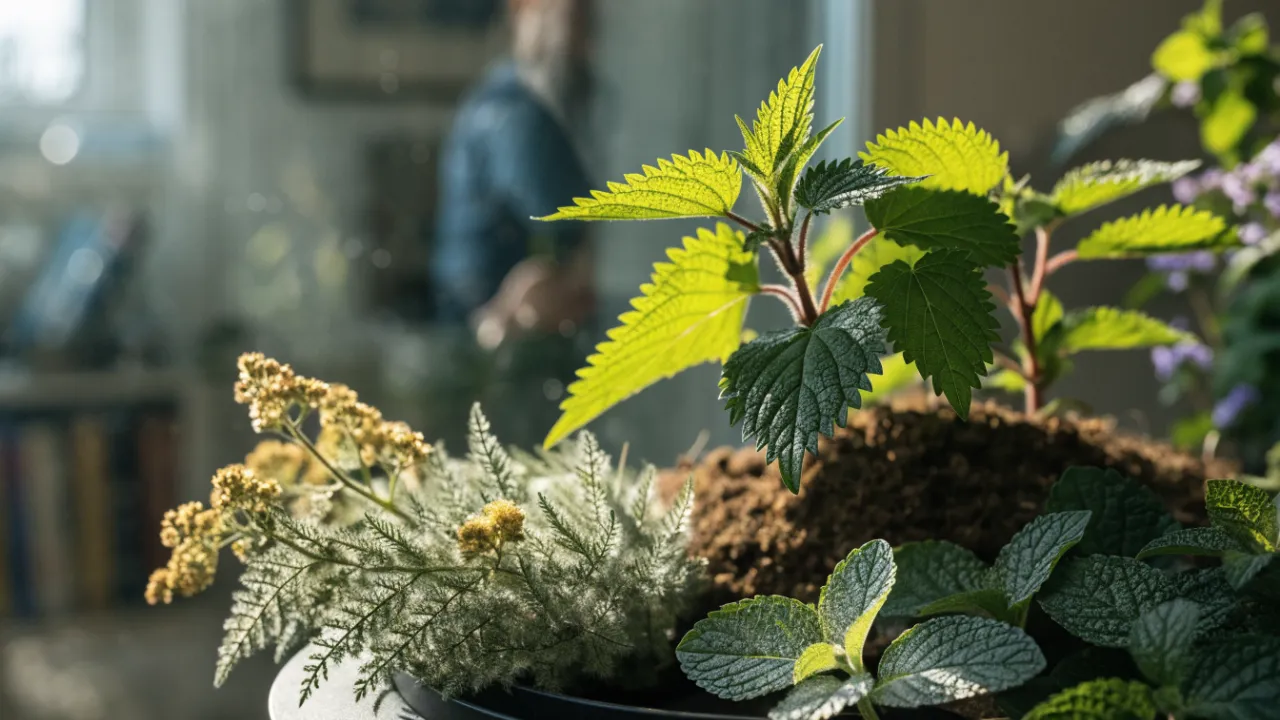
Several herbs are promoted for hay fever, but only a few have been tested in people. Butterbur has the best evidence: in trials, a special extract worked about as well as a common antihistamine. Stinging nettle and curcumin (from turmeric) have small studies with modest results. Most other “allergy herbs” rest on lab studies or tradition. Some, like chamomile, can actually trigger reactions in people with pollen allergies. Herbs work best alongside proven basics like saline rinses and, when needed, standard allergy medicines.
Table of Contents
- How Allergies Work
- Herbs at a Glance
- Butterbur
- Stinging Nettle
- Turmeric and Ginger
- Quercetin
- Chamomile: Use With Caution
- Peppermint and Eucalyptus Steam
- Licorice Root for a Sore Throat
- Herbs With Little Evidence
- A Simple Allergy Tea Blend
- What Works Best Alongside Herbs
- When to See a Doctor
- Frequently Asked Questions
- References
How Allergies Work
Seasonal allergies, or hay fever (allergic rhinitis), happen when your immune system treats harmless pollen as a threat. Your body makes antibodies (IgE) that sit on mast cells in your nose, eyes and airways. When pollen lands on them, the mast cells release histamine and other chemicals. These cause the familiar symptoms:
- Sneezing and an itchy, runny nose
- A stuffy nose and postnasal drip
- Red, itchy, watery eyes
Herbs for allergies are usually said to work by calming this reaction, for example by reducing histamine release. Whether they actually do that in people is a separate question, and the answer varies a lot from herb to herb.
Herbs at a Glance
| Herb | What studies found | Evidence | Main safety concern |
|---|---|---|---|
| Butterbur | Worked about as well as cetirizine in trials (Schapowal 2002) | Moderate | Liver damage; use only PA-free extracts |
| Stinging nettle | Small trials with modest or mixed results (Mittman 1990) | Limited | Usually mild stomach upset |
| Curcumin (turmeric) | One trial found less sneezing and congestion (Wu & Xiao 2016) | Limited | Rare liver injury with supplements |
| Quercetin | Mostly lab and animal studies | Preliminary | Few known at normal doses |
| Chamomile | No good allergy studies; can cause reactions | None | Cross-reacts with ragweed |
| Peppermint, eucalyptus | Make breathing feel easier; no proven effect on allergies | None | Toxic if swallowed; unsafe near young children |
Butterbur
Butterbur (Petasites hybridus) is the best-studied herb for hay fever. Studies of a butterbur leaf extract suggest it may help allergic rhinitis symptoms when taken by mouth (NCCIH).
- In a trial of 125 people with seasonal allergies, a butterbur extract worked about as well as cetirizine (Zyrtec) (Schapowal 2002).
- In a two-week trial of 186 people, butterbur tablets reduced symptoms compared with a placebo (EBSCO).
- A review of six trials found butterbur better than placebo, or about as effective as non-drowsy antihistamines, for intermittent hay fever (NCCIH).
The safety catch is serious. The butterbur plant contains pyrrolizidine alkaloids (PAs), which can damage the liver and lungs and may cause cancer (NCCIH). Only products processed to remove PAs and labeled or certified “PA-free” should be considered. Even then, some products marketed as PA-free have been linked to liver damage, and some countries have pulled butterbur products from the market over liver concerns (NCCIH). The American Academy of Neurology stopped recommending butterbur for migraine in 2015 because of these safety concerns.
Don’t use butterbur if you:
- Have liver disease or take medicines that can affect the liver
- Are pregnant or breastfeeding
- Are giving it to a child
- Are allergic to ragweed, daisies, marigolds or chrysanthemums. Butterbur is in the same plant family and may cross-react.
Never use raw butterbur plant, homemade butterbur tea, or any product that doesn’t say PA-free. Talk to your doctor before trying it, and stop if you notice yellow skin or eyes, dark urine or unusual tiredness.
Stinging Nettle
Stinging nettle (Urtica dioica) is a traditional spring remedy for hay fever. The evidence is thin:
- In a 1990 trial, 98 people with hay fever took freeze-dried nettle leaf or a placebo, and 69 finished the study. People taking nettle rated it slightly better than placebo overall, but the difference in their daily symptom diaries was small (Mittman 1990).
- A 2017 trial of 74 people tested nettle root tablets with mixed results, and the researchers called for larger, longer studies (Iranian Journal of Pharmaceutical Research, 2017).
Nettle is generally well tolerated. Mild stomach upset is the most common side effect. Because nettle may affect blood sugar, blood pressure and fluid balance, check with your doctor if you take medicines for diabetes or blood pressure, diuretics or blood thinners, or if you’re pregnant.
Ways to take it:
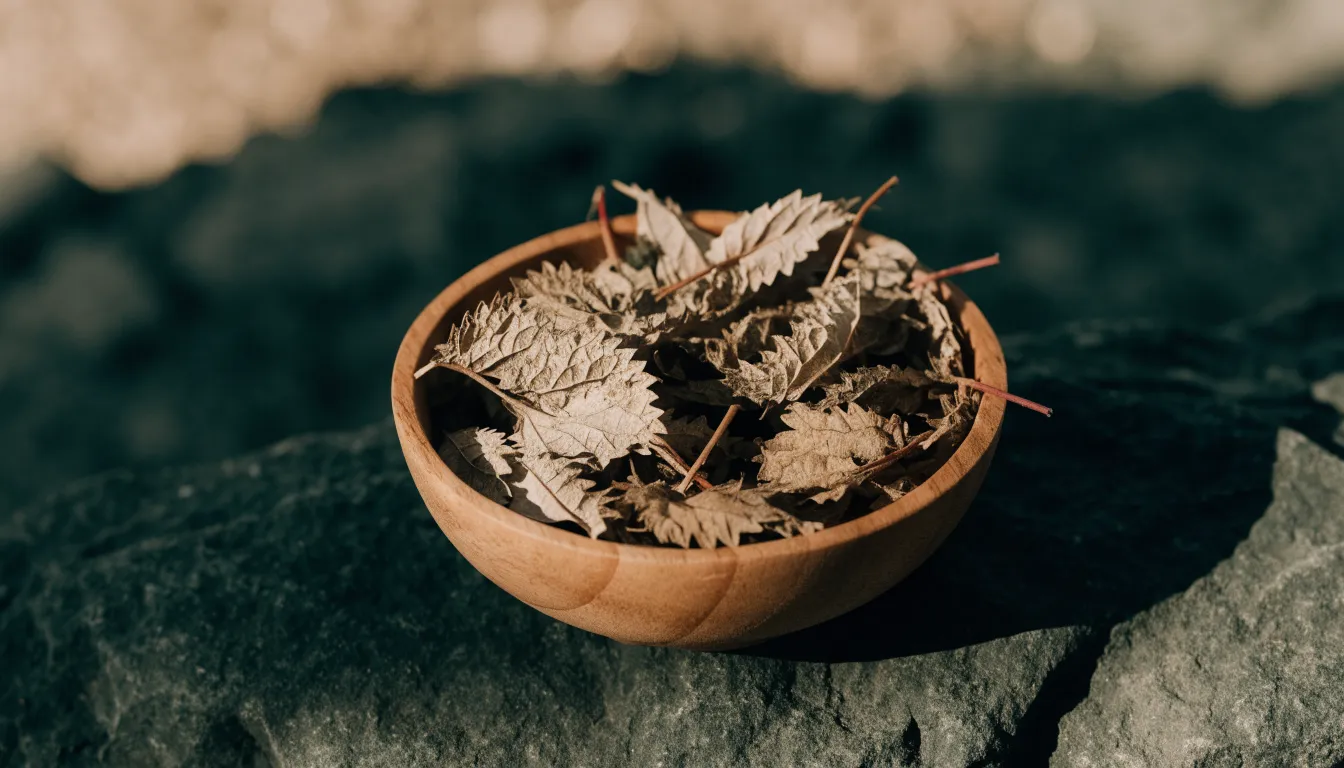
- Tea: Steep 1 to 2 teaspoons of dried leaf in hot water for 10 to 15 minutes, up to three times a day.
- Capsules: Freeze-dried leaf, as used in the 1990 trial.
- Food: Cook young fresh leaves in soups or stews. Cooking removes the sting. Wear gloves when handling raw nettle.
Turmeric and Ginger
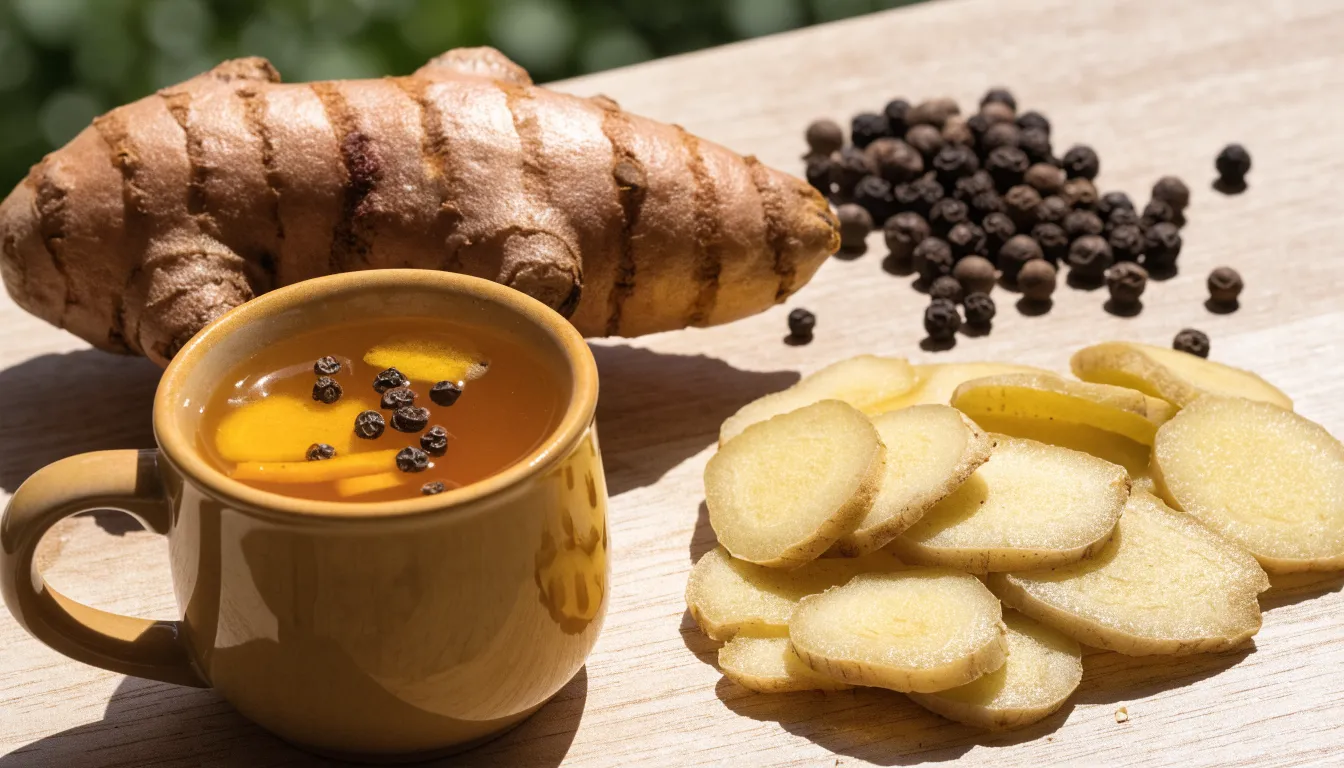
Turmeric and ginger are often paired in warm drinks for congestion. Curcumin, turmeric’s main compound, has one notable trial: in 241 people with year-round allergies, two months of curcumin reduced sneezing, runny nose and congestion compared with a placebo, and improved airflow through the nose (Wu & Xiao 2016). That’s promising, but it’s a single study and hasn’t been repeated.
Ginger has no good allergy studies in people. A warm drink with either herb may still feel soothing, and the steam can help loosen mucus.
Turmeric in food is safe for most people. Concentrated curcumin supplements are much stronger and have been linked to rare cases of liver injury. They can also interact with blood thinners. See our turmeric guide for details.
Quercetin
Quercetin is a plant compound found in onions, apples, berries and tea. In lab studies it calms mast cells and reduces histamine release, which is why it’s sold for allergies. But good human trials for hay fever are lacking, so it’s unclear whether supplements help.
Eating quercetin-rich foods is a safe way to get more of it. If you try supplements, talk to your doctor first, especially if you take antibiotics, blood thinners or other regular medicines. Claims that rosemary boosts quercetin’s effect aren’t backed by human studies.
Chamomile: Use With Caution
Chamomile is often recommended for allergies, but it’s a poor fit for many hay fever sufferers. It’s in the same plant family as ragweed, and chamomile tea extract cross-reacts with ragweed and mugwort pollen in lab tests (Thermo Fisher Allergen Encyclopedia). People with hay fever have had whole-body allergic reactions after drinking chamomile tea, and washing the eyes with chamomile tea has caused allergic conjunctivitis (Thermo Fisher Allergen Encyclopedia).
If you’re allergic to ragweed, daisies, marigolds or chrysanthemums, skip chamomile.
For itchy, puffy eyes, a plain cool compress is the safer choice: a clean washcloth soaked in cold water, or a chilled gel eye mask, rested over closed eyes for 5 to 10 minutes. If you know you tolerate chamomile and want to use tea bags:
- Steep two plain chamomile tea bags, then chill them in the fridge.
- Squeeze out excess liquid and rest them over closed eyes for 5 to 10 minutes.
- Remove contact lenses first, and use fresh bags every time.
- Stop right away if your eyes burn, swell or itch more.

Most of the benefit comes from the cold. For more on chamomile’s uses and risks, see our chamomile guide.
Peppermint and Eucalyptus Steam
Menthol (in peppermint) and eucalyptol (in eucalyptus) create a cooling feeling that makes breathing feel easier. They don’t reduce the allergic reaction itself, but steam can help loosen thick mucus for a while.
Steam inhalation:
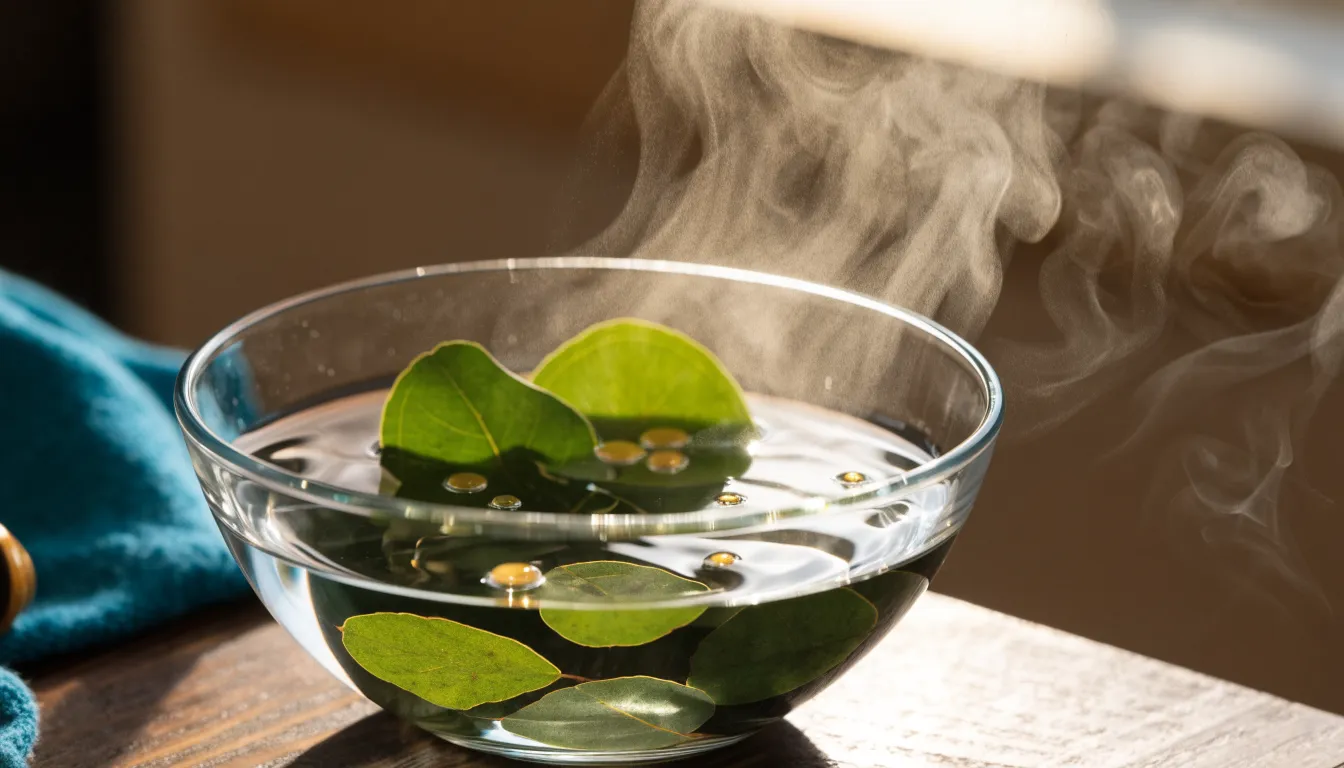
- Pour hot (not boiling) water into a heatproof bowl on a stable table.
- Add 1 to 3 drops of eucalyptus or peppermint essential oil in total, or a handful of fresh eucalyptus leaves.
- Close your eyes, lean over the bowl with a towel over your head, and breathe slowly for 5 to 10 minutes. Keep your face at a comfortable distance to avoid burns.
Safety:
- Never swallow eucalyptus or peppermint oil. Eucalyptus oil can be poisonous, even in small amounts.
- Keep them away from babies and young children. Don’t use these oils on or near a young child’s face, and keep hot bowls out of reach.
- If you have asthma, strong vapors can trigger wheezing. Check with your doctor first.
- On the skin, dilute heavily (about 1 drop per teaspoon of carrier oil), patch-test first, and keep it away from your eyes.
Licorice Root for a Sore Throat
Postnasal drip can leave your throat raw and cause a nagging cough. Licorice root tea is a traditional throat soother. For more on the herb, see our Chinese licorice root guide.
Licorice contains glycyrrhizin, which can raise blood pressure and lower potassium if you take too much or use it for too long. Avoid licorice root, or check with your doctor first, if you have high blood pressure, heart or kidney disease, or take diuretics or blood pressure medicines. Use it for short periods only. DGL (deglycyrrhizinated licorice) has had the glycyrrhizin removed and is the safer option. It’s also covered in our guide to herbs for acid reflux.
Herbs With Little Evidence
These come up often in allergy articles, but there’s no good human evidence they help hay fever:
- Elderberry is studied for colds and flu, not allergies.
- Holy basil (tulsi) has small studies on stress, but none on allergies. It’s often called an adaptogen; see our adaptogens guide for what that means.
- Lemon balm is a gentle calming herb. A cooled tea may feel soothing on itchy skin, but don’t rely on it for hives. Hives with swelling of the lips, tongue or throat need urgent medical care.
They’re generally safe as teas for most adults, but don’t expect them to control symptoms.
A Simple Allergy Tea Blend
This blend is pleasant to drink during allergy season. Expect a comforting cup, not a replacement for medicine.
- 2 parts dried nettle leaf for a mild, grassy base
- 1 part dried peppermint for a cooling lift
- 1 part dried chamomile for soft sweetness. If you’re allergic to ragweed, use lemon balm instead.
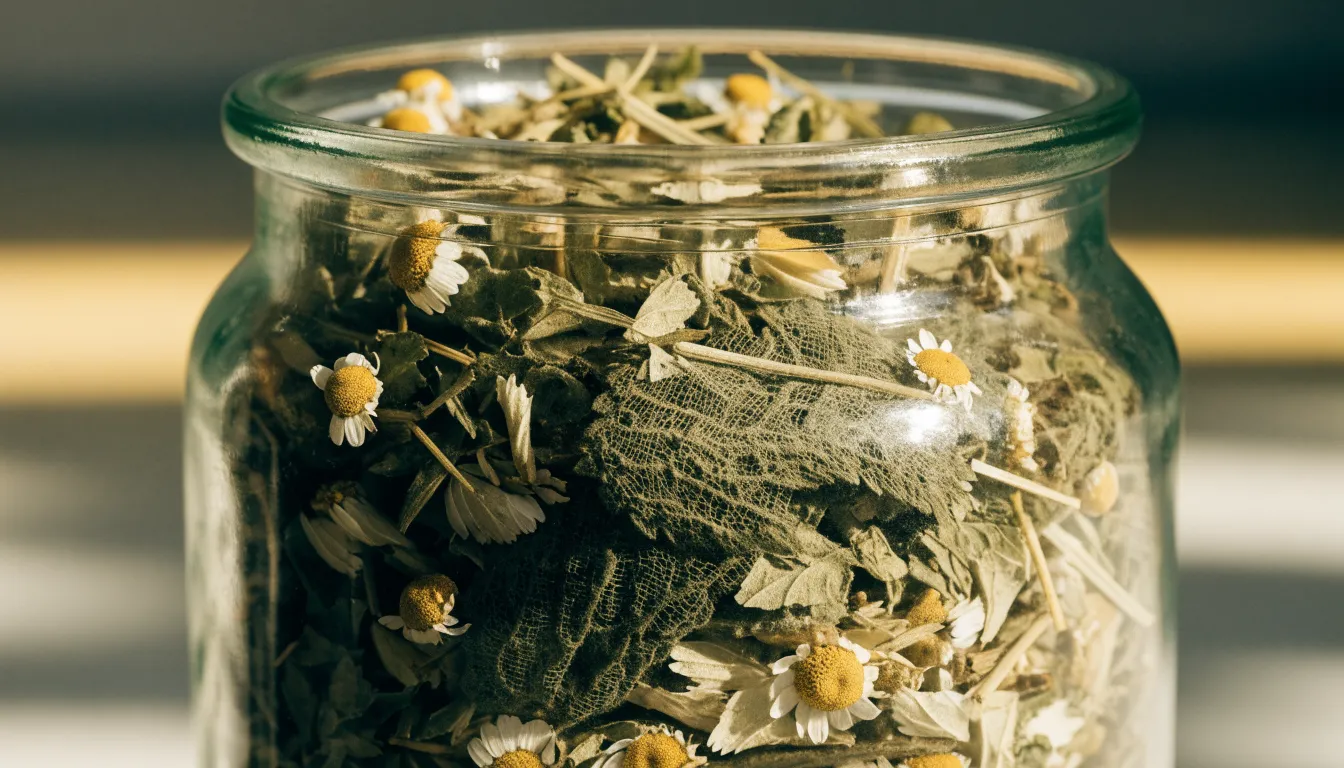
Mix the herbs in a jar. For each cup, steep 1 to 2 teaspoons in just-boiled water, covered, for 7 to 10 minutes, then strain. Drink up to two cups a day. A slice of fresh ginger adds warmth.
What Works Best Alongside Herbs
These steps have stronger evidence than any herb:
- Saline nasal rinses. Rinsing your nose washes out pollen and thins mucus. Use only distilled, sterile or previously boiled (cooled) water, never straight from the tap, and clean the bottle after each use.
- Reduce pollen indoors. Keep windows closed on high-pollen days, and run a HEPA air purifier in your bedroom.
- Time your outdoor activities. Check local pollen forecasts. Pollen counts are often highest on warm, dry, windy days.
- Wash off pollen. After time outside, change clothes and shower before bed. Sunglasses help keep pollen out of your eyes.
- Standard medicines. Steroid nasal sprays and non-drowsy antihistamines are well studied and work for most people. A pharmacist can help you choose one, and many can be used alongside the gentler herbs above. Ask first.
When to See a Doctor
See a doctor if:
- Your symptoms don’t improve with over-the-counter treatment
- You have wheezing, shortness of breath or chest tightness, which could be asthma
- You have facial pain, fever, or thick discolored mucus lasting more than 10 days, which could be a sinus infection
- Allergies affect your sleep, work or daily life
Call emergency services for swelling of the lips, tongue or throat, trouble breathing, or feeling faint after eating, drinking or being exposed to something. These are signs of a severe allergic reaction (anaphylaxis).
For other herbs grouped by condition, see our list of herbs by health condition.
Frequently Asked Questions
What is the best herb for allergies?
Butterbur has the strongest evidence. In trials, a special PA-free extract worked about as well as cetirizine. But it carries a real risk of liver damage, so use only certified PA-free products, and talk to your doctor first.
Does stinging nettle work for allergies?
Possibly a little. The main trial found a slight benefit over placebo, and later studies were mixed. It’s generally safe, so some people try it, but the evidence is weak.
Can I take herbs with my allergy medicine?
Sometimes, but check with a pharmacist or doctor first. Butterbur, nettle and curcumin can each interact with certain medicines or health conditions.
Is chamomile tea good for allergies?
Not for everyone. Chamomile is related to ragweed, and people with hay fever have had allergic reactions to it. If you’re allergic to ragweed or daisies, avoid it.
When should I start taking herbs for seasonal allergies?
Many herbalists suggest starting a few weeks before your usual allergy season. There’s little research on timing. For curcumin, benefits appeared after two months of daily use in the one major trial.
Are essential oils safe for allergies?
Used carefully, peppermint or eucalyptus steam can make breathing feel easier for adults. Never swallow essential oils, keep them away from young children, and check with your doctor first if you have asthma.
References
- National Center for Complementary and Integrative Health (NCCIH). Butterbur. https://www.nccih.nih.gov/health/butterbur
- NCCIH. Seasonal Allergies and Complementary Health Approaches: What the Science Says. https://www.nccih.nih.gov/health/providers/digest/allergies-science
- Schapowal A. Randomised controlled trial of butterbur and cetirizine for treating seasonal allergic rhinitis. BMJ. 2002;324(7330):144–146. https://www.bmj.com/content/324/7330/144
- EBSCO Research Starters. Butterbur’s therapeutic uses. https://ebsco.com/research-starters/complementary-and-alternative-medicine/butterburs-therapeutic-uses
- Mittman P. Randomized, double-blind study of freeze-dried Urtica dioica in the treatment of allergic rhinitis. Planta Medica. 1990;56(1):44–47. https://www.thieme-connect.de/products/ejournals/abstract/10.1055/s-2006-960881
- Efficacy of supportive therapy of allergic rhinitis by stinging nettle (Urtica dioica) root extract: a randomized, double-blind, placebo-controlled clinical trial. Iranian Journal of Pharmaceutical Research. 2017. https://pmc.ncbi.nlm.nih.gov/articles/PMC5963652/
- Wu S, Xiao D. Effect of curcumin on nasal symptoms and airflow in patients with perennial allergic rhinitis. Annals of Allergy, Asthma & Immunology. 2016;117(6):697–702. https://doi.org/10.1016/j.anai.2016.09.427
- Thermo Fisher Scientific. Allergen Encyclopedia: Camomile (w206). https://www.thermofisher.com/phadia/us/en/resources/allergen-encyclopedia/w206.html
- Subiza J, et al. Allergic conjunctivitis to chamomile tea. Annals of Allergy. 1990;65(2):127–132.
Matthew Atkins
Matthew studied biology and has worked in conservation. He's been interested in medicinal herbs for many years. More about HerbsList
This page is for general information only and isn't medical advice. Talk with a doctor or pharmacist before taking any herb or supplement. Full disclaimer