How to Make Ginseng Tea Step by Step
 By Matthew Atkins · Updated
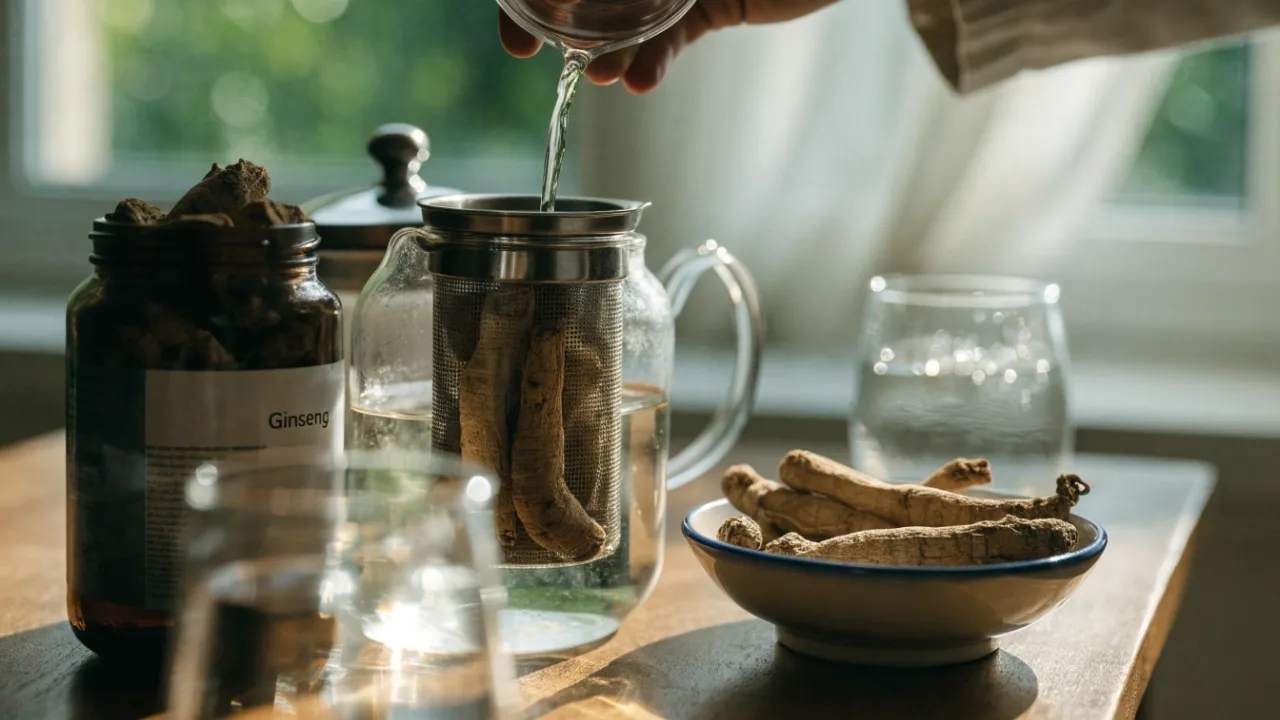
Ginseng tea is an herbal infusion (a tisane) made by simmering or steeping ginseng root in water. Despite its name, it contains no tea leaves from the tea plant (Camellia sinensis), so pure ginseng tea is naturally caffeine-free; some packaged “ginseng teas” are blends that add green or black tea. To make it, simmer thin slices of fresh or dried root in water just below a boil for 15–20 minutes, or stir ginseng powder or extract into hot water. Use about 1–2 grams of dried root (or 3–6 grams of fresh root) per cup, and one cup a day is a sensible amount for most healthy adults.
Table of Contents
- What Is Ginseng Tea?
- Ginseng Tea Recipe (Quick Version)
- What You’ll Need
- How to Make Ginseng Tea from Fresh Root
- How to Make Ginseng Tea from Dried Root or Slices
- How to Make Ginseng Tea from Powder or Extract
- How to Re-Steep and Reuse Ginseng Root
- Ginseng Tea Variations
- Ginseng Tea Benefits: What the Research Shows
- How Much Ginseng Tea to Drink
- Side Effects and Safety
- How to Store Ginseng Root
- Frequently Asked Questions
- Sources
What Is Ginseng Tea?
Ginseng tea is a drink made by extracting ginseng root in hot water. Botanically, it is not “tea” at all: true tea comes from the leaves of Camellia sinensis, while ginseng tea is an herbal infusion, like chamomile or ginger tea. It is made from the root of Panax ginseng (Korean or Asian ginseng) or Panax quinquefolius (American ginseng).
It is especially popular in Korea, where it is called insam-cha, and in China, and it can be made from fresh root, dried root or slices, powder, liquid extract, or instant granules. Pure ginseng root tea contains no caffeine. Packaged products labeled “ginseng tea” sometimes combine ginseng with green or black tea, which does contain caffeine, so check the ingredient list.
Ginseng Tea Recipe (Quick Version)
When you’re short on time, you can make a cup of ginseng tea in about five minutes using powder, extract, or pre-cut dried slices.
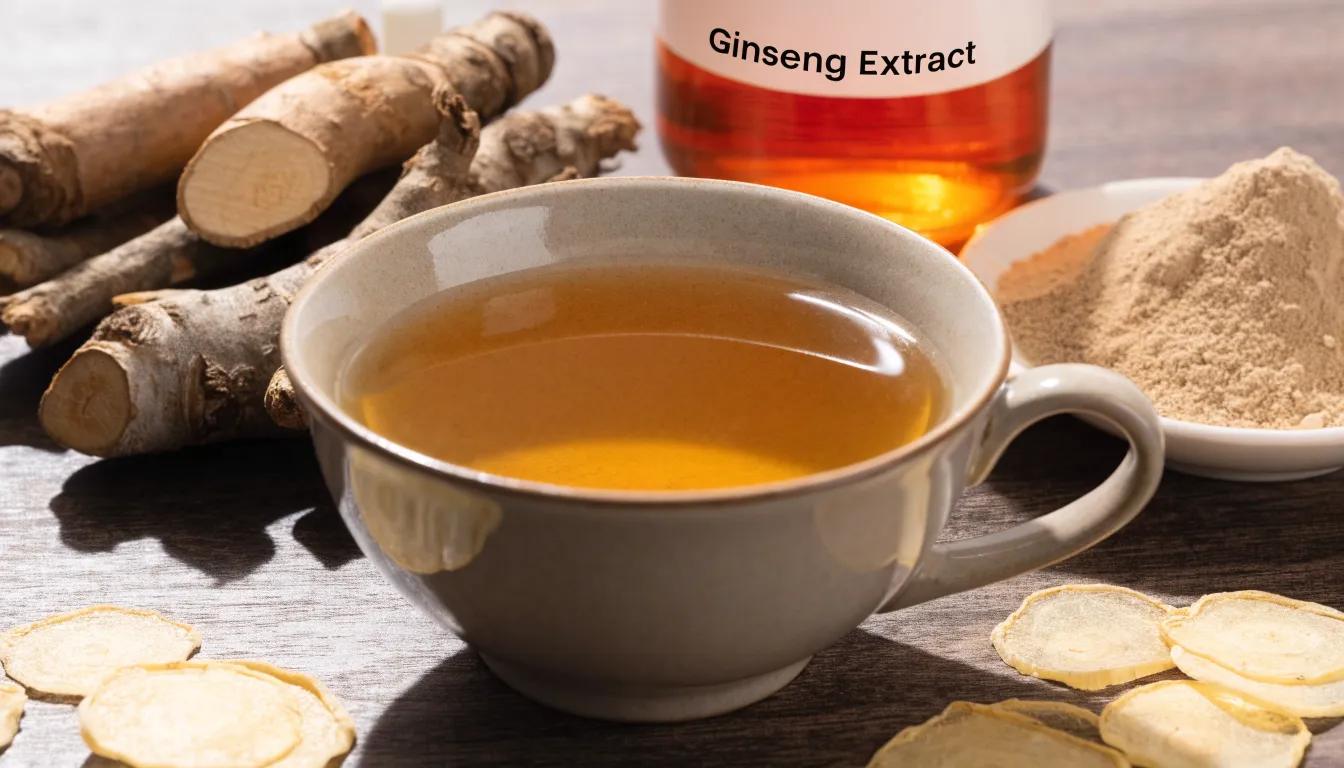
- Powder: Heat a cup of water until it is steaming but not at a rolling boil. Mix about half a teaspoon of ginseng powder with a splash of the hot water to form a paste, then stir in the rest. Let it sit for two to three minutes and strain if the powder is coarse.
- Extract: Stir the amount listed on the label into a cup of hot water or warm milk. Extracts vary a lot in strength, so follow the product’s directions.
- Pre-cut dried slices: Put three or four thin slices (about 1 gram) in a cup, pour over water just off the boil, and cover with a saucer. Let it steep for at least five to ten minutes. Slices give a lighter cup when steeped this way than when simmered.
Add honey, lemon, or a slice of fresh ginger to soften the bitterness.
What You’ll Need
For one cup of ginseng tea, use about 1–2 grams of dried ginseng root or slices, or 3–6 grams of fresh root, and 8–10 ounces of water. Fresh root weighs more because it contains a lot of water, so you need roughly three times as much by weight. You may also want honey or other flavorings, since ginseng has a bitter, earthy taste.
Fresh, Dried or Sliced Ginseng Root
- Fresh root: Sold in some Asian markets and specialty grocers. Look for firm, heavy roots with no mold or soft spots. Fresh ginseng has a milder, slightly sweet, earthy flavor. It needs scrubbing and slicing before use.
- Dried whole root: Found in health food stores and online. Drying concentrates the root, so the flavor is deeper, more bitter, and woody. Dried roots are very hard, so they need soaking before slicing, or a long simmer if used whole.
- Pre-sliced dried ginseng: The most convenient option. The thin slices can go straight into the pot or cup, with no cleaning or cutting. Strength varies by brand.
For a quick daily cup, pre-sliced is easiest. For a richer, traditional brew, use dried whole root. For a milder taste, use fresh root.
Korean (Asian) vs. American Ginseng for Tea
Korean or Asian ginseng (Panax ginseng) is considered warming and energizing in traditional Chinese medicine. It makes a robust, earthy, slightly bitter cup with a lingering sweetness, and it is a popular choice for morning tea or cold weather. Red ginseng, which is the same species steamed and dried, gives the tea a richer, slightly caramel-like flavor. See our guide to Korean ginseng for more on its benefits and safety.
American ginseng (Panax quinquefolius) is considered cooling in traditional Chinese medicine and is described as gentler and less stimulating. Its tea is lighter, with a softer bitterness and gentle sweetness, and many people prefer it in warm weather.
Both work well as simple sliced-root teas and pair nicely with honey or ginger.
Tools and Supplies
- A glass, ceramic, or stainless steel saucepan with a lid. Traditionally, ginseng is brewed in ceramic or glass rather than iron, aluminum, or copper. This is mainly a matter of tradition and taste, since some metals can give a metallic flavor.
- A fine-mesh strainer, or an infuser basket if you brew in a cup or teapot.
- A sharp knife or mandoline and a cutting board for slicing root thinly and evenly.
- A soft vegetable brush for cleaning fresh root.
- Measuring spoons, a kitchen scale, and a timer to keep amounts and brewing times consistent.
- An airtight container for storing unused ginseng.
How to Make Ginseng Tea from Fresh Root
For one cup, use about 3–6 grams of fresh root (a few thin slices from a small root) and 8–10 ounces of cold water.
Clean the Root
Soak the fresh root in a bowl of cool water for two to three minutes to loosen the dirt. Then hold it under cool running water and scrub gently with a soft vegetable brush or clean toothbrush, paying attention to the crevices between the root’s prongs and the small hair-like rootlets. Use light strokes so you don’t scrape away the thin outer skin. For stubborn dirt, use your fingertips or a soft cloth rather than a knife. Rinse once more and pat dry.
Slice the Root
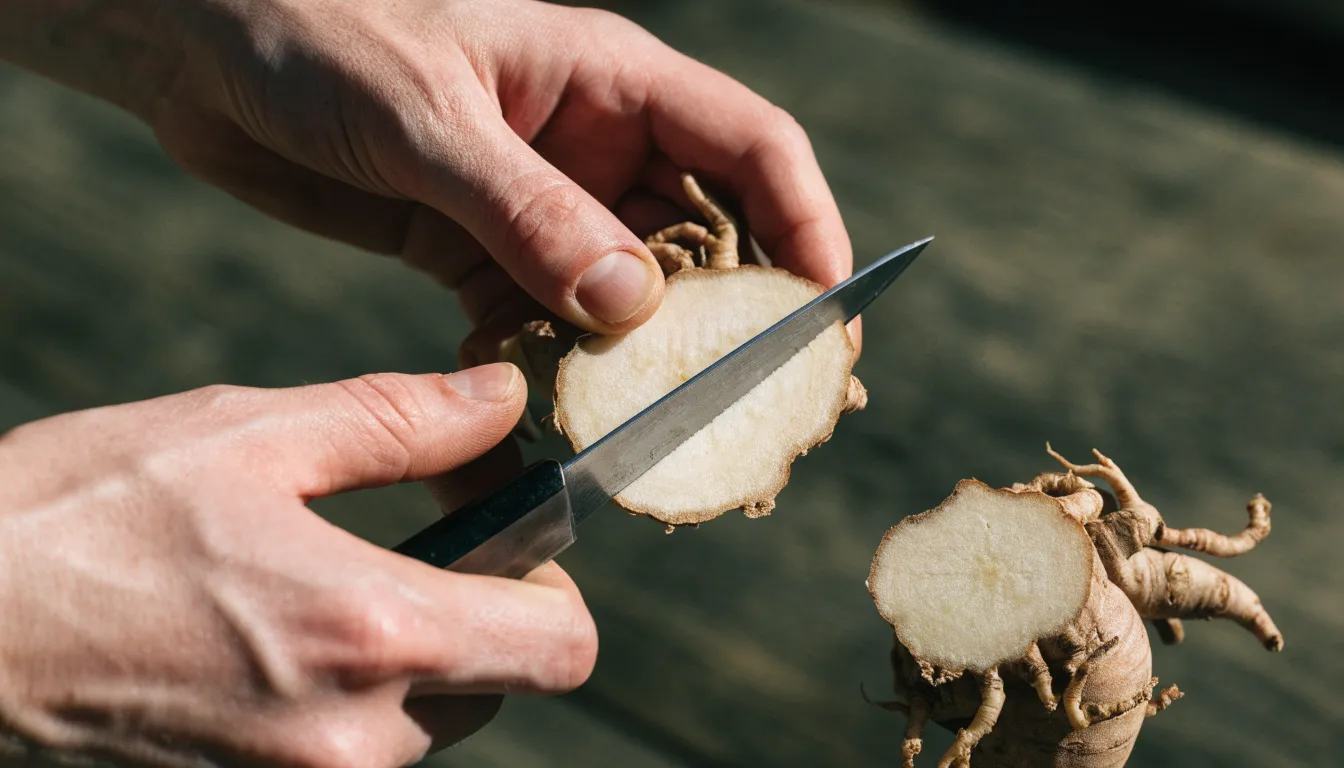
Using a sharp knife or mandoline, slice the root across the grain into thin coins about 2–3 millimeters thick. Even slices brew at the same rate, and thin slices expose more of the dense interior to the water. For long roots, cut them into shorter pieces first and keep your fingers well away from the blade. Discard any dark, spongy, or hollow sections. Slice the root just before brewing for the freshest flavor.
Simmer Gently
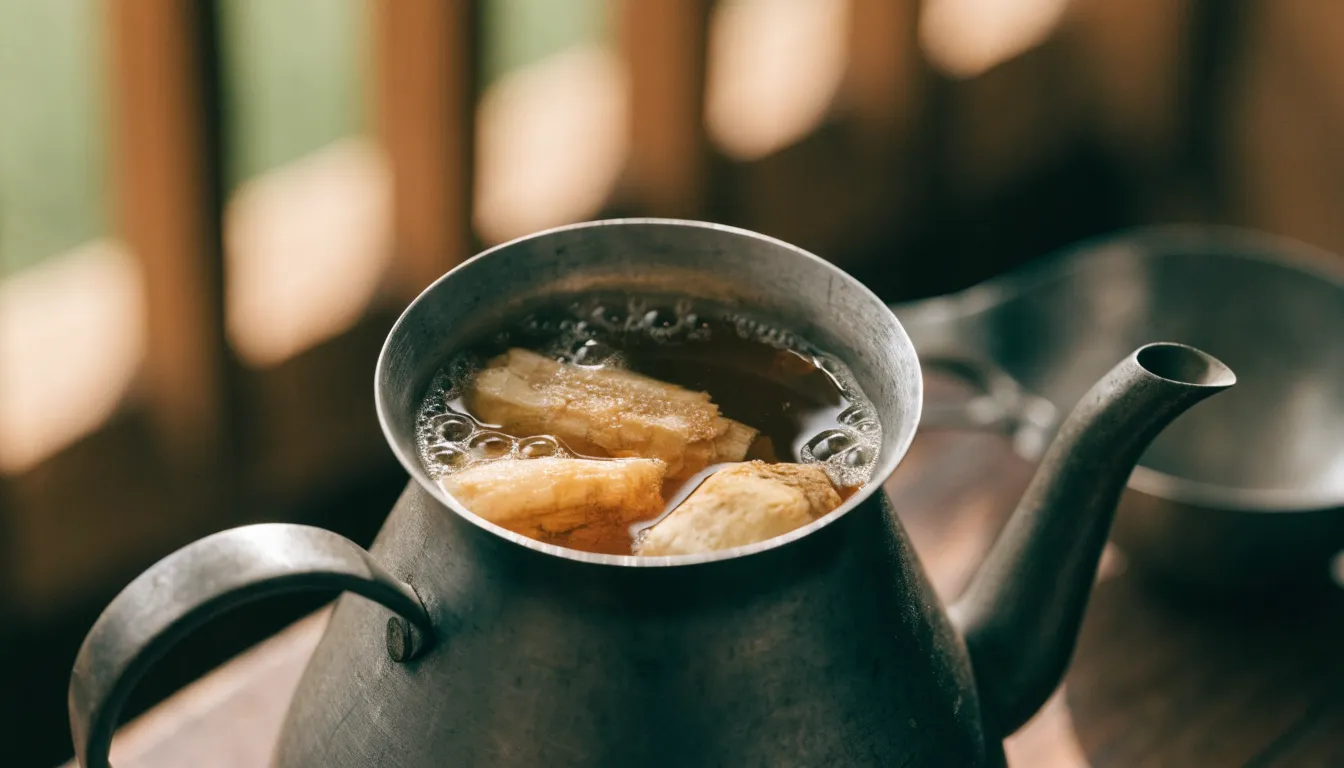
Put the slices and cold water in a saucepan, bring it almost to a boil, and immediately turn the heat down to a low simmer. Simmer for 15 to 20 minutes with the lid partly on, adding a little hot water if the level drops too far. A rolling boil makes the tea harsher and more bitter, while simply pouring hot water over fresh slices gives a weak, thin cup. When it’s done, take the pan off the heat and let it sit for another 5 minutes.
Strain and Serve
Pour the tea through a fine-mesh strainer into a cup or heatproof pitcher, pressing the slices lightly to get the last of the liquid. Fresh ginseng has a gentle sweetness of its own, so taste it before adding honey, lemon, or ginger. Leftover tea keeps in a sealed container in the refrigerator for up to two days and can be gently reheated. The spent slices can be simmered again for a milder second cup, or chewed if you enjoy their bittersweet taste.
How to Make Ginseng Tea from Dried Root or Slices
- Rinse and soak: Rinse dried ginseng briefly under cool water, then soak it in room-temperature water for 20 to 30 minutes, or up to an hour for thick or whole pieces. Keep the soaking water and use it for brewing.
- Measure: Use about 1–2 grams of dried root per cup of water.
- Simmer: Bring the ginseng and water to a gentle simmer. Simmer thin dried slices for 15 to 20 minutes, and thick pieces or whole roots for 30 to 45 minutes, partly covered. Top up with hot water if needed.
- Strain: Strain the tea and keep the slices for re-steeping. Some people simmer the same root twice and combine the two batches for a fuller flavor.
How to Make Ginseng Tea from Powder or Extract
Heat water until it is steaming but not at a full boil, about 85–90°C (185–195°F).
- Powder: Use 1/2 to 1 teaspoon (about 0.5–1 gram) per cup, depending on the product. Put the powder in a mug, add a splash of hot water, and stir it into a smooth paste to avoid clumps. Then add the rest of the water while stirring.
- Liquid extract: Add the amount listed on the label to a cup of warm water and stir. Extracts vary widely in concentration, so don’t assume a dropper of one brand equals a dropper of another.
Add lemon, honey, or a pinch of cinnamon if you like.
How to Re-Steep and Reuse Ginseng Root
Ginseng slices can usually be brewed several times. The first one or two brews are the strongest and most bitter, while later brews are milder and sweeter. Most slices give two to four good brews before the flavor fades. Thin slices give up their flavor faster than thick chunks or whole roots.
To re-steep, put the used slices back in fresh water and simmer or steep a little longer each time, adding about 5 to 10 minutes per round. Combining several brews gives a more balanced cup. Between uses, keep the spent slices in a sealed container in the refrigerator for up to two days. When the slices turn pale and the tea tastes flat, discard or compost them.
Ginseng Tea Variations
You can flavor a basic ginseng tea with:
- Citrus: Lemon or orange juice after brewing, or dried orange peel simmered with the root.
- Flowers: A teaspoon of dried chrysanthemum flowers or a pinch of lavender. Skip chrysanthemum if you’re allergic to ragweed or daisies.
- Fruit: Slices of Asian pear or apple simmered with the ginseng for natural sweetness, or a few goji berries added at the end. If you take warfarin, skip the goji: it can increase warfarin’s effect and raise bleeding risk.
- Spices: A cinnamon stick, cardamom, cloves, or star anise added while simmering, for a warming, chai-like flavor.
- Milk: A splash of dairy, almond, or coconut milk with a little honey.
Honey Ginseng Tea
Honey softens ginseng’s bitterness without hiding its flavor. Brew the tea as usual, let it cool slightly, then stir in a teaspoon of honey and add more to taste. Adding honey to very hot tea dulls its delicate flavor. A slice of lemon, a pinch of cinnamon, or a slice of ginger also works well, and warm honey tea can soothe a scratchy throat.
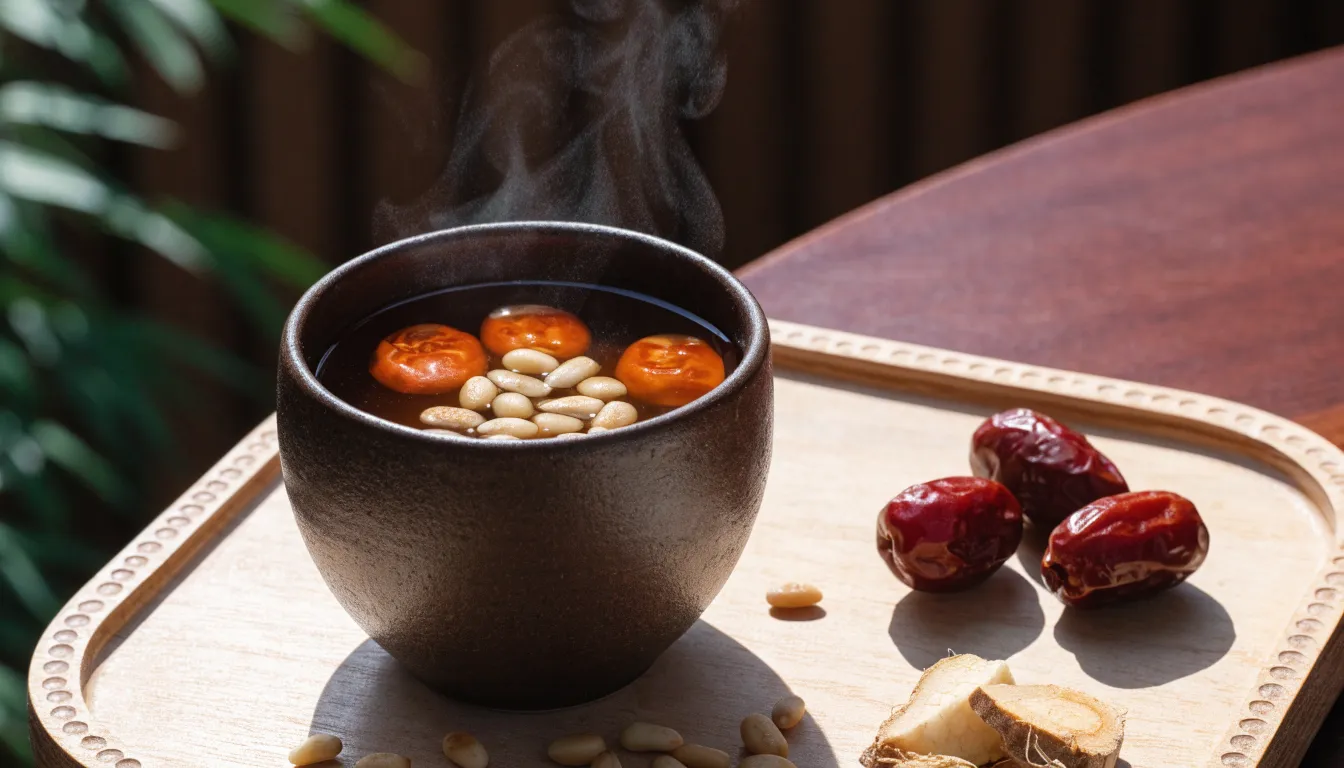
Korean Ginseng Tea with Jujubes (Insam-cha)
Insam-cha is the classic Korean ginseng tea. Slices of Korean ginseng are simmered slowly with a generous handful of dried jujubes (red dates) for an hour or more, until the liquid turns deep amber. The dates soften and give the tea a mellow, honey-like sweetness. Some families add ginger or honey.
Strain the tea and serve it hot in small cups. The softened dates can be eaten alongside or pressed through a sieve into the tea. A few pine nuts floated on top of each cup are a traditional finishing touch. In Korea, insam-cha is offered to guests, given to people recovering from illness, and drunk as a warming winter tonic.
Ginseng Ginger Tea
Simmer thinly sliced ginseng for 15 to 20 minutes, adding a few slices of fresh ginger for the last 5 minutes. A ratio of about three parts ginseng to one part ginger works well; add more ginger for more heat. Ginger softens ginseng’s woody bitterness and is traditionally used to settle the stomach after a heavy meal. Fresh ginger gives a brighter flavor than dried powder. Avoid a hard boil, which makes ginger harsh, and finish with honey or lemon.
Iced Ginseng Tea
For iced tea, brew a stronger batch than usual, let it cool completely, and pour it over ice so it doesn’t taste watered down as the ice melts.
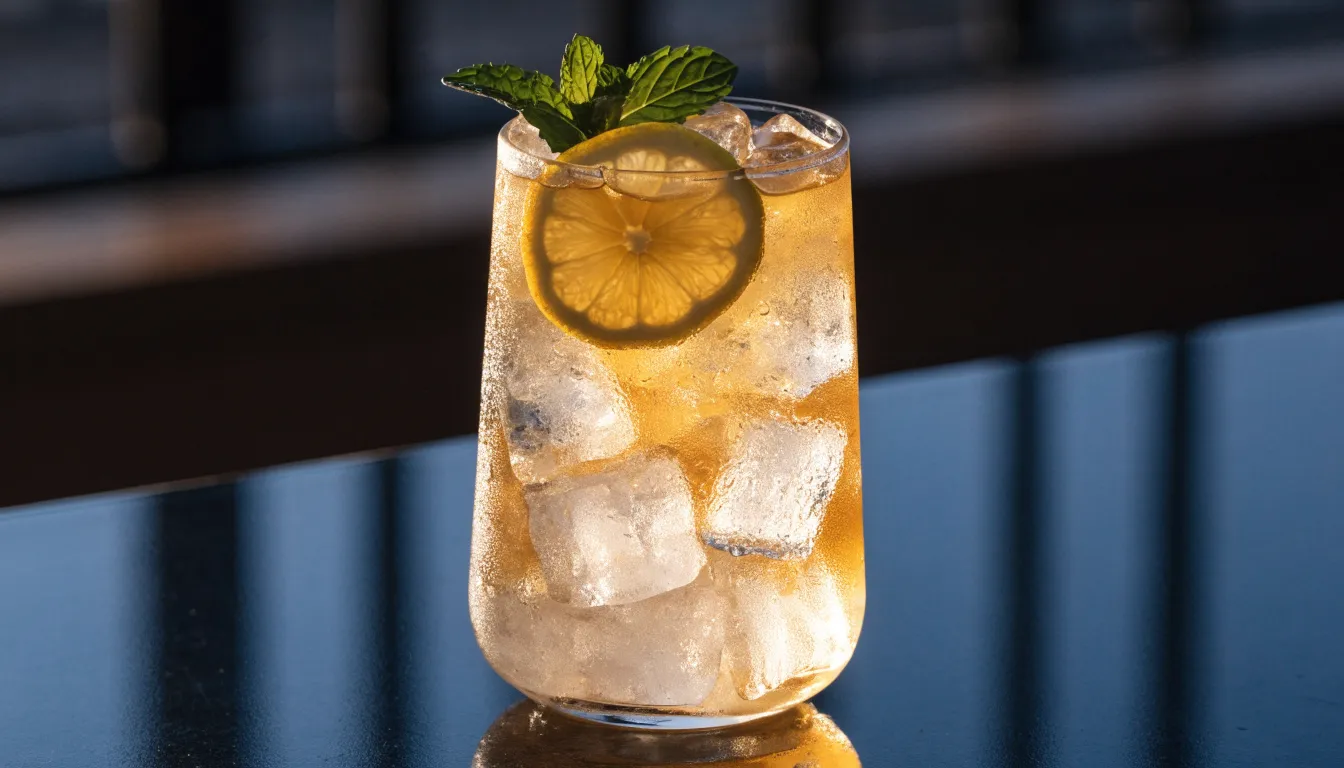
For a smoother, less bitter tea, cold brew it instead: put sliced ginseng in cold water, refrigerate for 8 to 12 hours, and strain. Add lemon, mint, ginger, or honey to taste. Cold-brewed ginseng is lighter in flavor and extracts less from the root than a hot simmer.
Ginseng Tea Benefits: What the Research Shows
Ginseng is traditionally drunk for energy and vitality, but most clinical trials tested standardized capsules or extracts, not tea. A cup of tea delivers a smaller and much more variable amount of ginsenosides, ginseng’s active compounds, so the research does not tell you much about what to expect from tea. For Korean ginseng, here is what the evidence shows (NCCIH):
- Erectile dysfunction: The most consistent evidence. Several small trials of Korean red ginseng extract found improvements. Evidence: Moderate.
- Energy and fatigue: Mixed results. Some trials found less fatigue, others found no difference from placebo, and the clearest positive results for fatigue came from American ginseng. Evidence: Limited.
- Focus and memory: Some small trials found short-term improvements in attention or working memory, others found none. Evidence: Limited.
- Athletic performance: Controlled studies have generally not found that ginseng improves endurance or strength. Evidence: Limited (mostly no benefit).
- Colds and immunity: Most of the better-known studies showing fewer colds tested American ginseng, not Korean ginseng. Evidence: Limited.
- Blood sugar: Ginseng may slightly lower fasting blood sugar. Evidence: Limited.
See our Korean ginseng guide for more detail on each.
How Much Ginseng Tea to Drink
For most healthy adults, one cup a day, made with about 1–2 grams of dried root (or 3–6 grams of fresh root, or 0.5–1 gram of powder), is a sensible amount. That keeps you within the 1–2 grams of dried root a day used in many studies. For extracts, follow the label.
Start with one cup in the morning and see how you feel for a week or two. Many people take ginseng in cycles, such as a few weeks on and a week off. That is traditional practice rather than a proven rule, but it limits long-term exposure, which has not been well studied.
Best Time of Day to Drink Ginseng Tea
Ginseng can be stimulating, so drink it in the morning or early afternoon. Finish your last cup by mid-afternoon, especially if you’re sensitive to caffeine, since a late cup can make it harder to fall asleep. Other herbs often called adaptogens that are energizing follow the same rule.
Side Effects and Safety
Short-term use of ginseng appears to be safe for most healthy adults, but it can cause side effects, especially in larger amounts (NCCIH):
- Common side effects: Trouble sleeping, nervousness, headache, digestive upset, and a faster heartbeat.
- Low blood sugar: Ginseng can lower blood sugar, even in people without diabetes.
- Hormone-like effects: Breast tenderness and vaginal bleeding have been reported.
Reduce the amount or stop drinking it if side effects appear.
Talk to a doctor or pharmacist before drinking ginseng tea regularly if you take:
- Warfarin: Ginseng may make warfarin less effective, which can raise the risk of blood clots.
- Antiplatelet drugs and other blood thinners: Ginseng may affect platelet function and bleeding.
- Diabetes medications: Ginseng can add to their effect and cause low blood sugar (shakiness, sweating, confusion).
- MAO inhibitors: Combining them with ginseng has been linked to headaches, sleeplessness, and manic symptoms.
- Caffeine and other stimulants: These add to ginseng’s stimulating effect.
- Immunosuppressants: Ginseng may counteract them.
Avoid ginseng tea, or check with a doctor first, if you:
- Are pregnant or breastfeeding: Avoid it. In animal studies, a ginseng compound (ginsenoside Rb1) caused birth defects, and its safety during breastfeeding is unknown.
- Are giving it to a child: Ginseng is not recommended for children.
- Have a heart condition or uncontrolled high blood pressure.
- Have a hormone-sensitive condition, such as breast, uterine, or ovarian cancer, or endometriosis.
- Have diabetes, an autoimmune condition, anxiety, or insomnia.
- Are scheduled for surgery: Stop at least two weeks beforehand.
See our list of herbs by health condition for interactions with other herbs.
How to Store Ginseng Root
Fresh root: Brush off loose soil, pat dry, and wrap the root loosely in a dry paper towel. Keep it in a perforated bag or loosely closed container in the refrigerator’s crisper drawer, where it will keep for a few weeks. Check it every few days, replace damp towels, and discard any pieces with soft spots or mold. For longer storage, slice and freeze it.
Dried root, slices, and powder: Store in an airtight glass jar or tin in a cool, dark, dry place away from steam and sunlight. Don’t refrigerate dried ginseng, since moisture can condense inside the jar when you open it. A food-safe silica gel packet helps in humid climates. Well-stored dried ginseng keeps for a year or more.
Liquid extracts: Follow the label, and refrigerate after opening if it says to.
Frequently Asked Questions
Does ginseng tea contain tea leaves or caffeine?
No. Ginseng tea is an herbal infusion made from ginseng root and contains no leaves from the tea plant (Camellia sinensis), so pure ginseng tea is caffeine-free. Some packaged blends add green or black tea, which do contain caffeine, so check the ingredients.
How much ginseng should I use per cup?
About 1–2 grams of dried root or slices, 3–6 grams of fresh root, or 0.5–1 gram of powder per cup. For extracts, follow the label. One cup a day is a sensible amount for most healthy adults.
How long should you simmer ginseng tea?
Simmer fresh or thinly sliced dried root for 15 to 20 minutes, then let it stand off the heat for 5 minutes. Thick pieces or whole dried roots need 30 to 45 minutes of gentle simmering after soaking.
Can you reuse ginseng root slices?
Yes. Slices usually give two to four good brews, with each one milder than the last. Add 5 to 10 minutes to the brewing time each round, and refrigerate used slices for no more than two days between uses.
How can I make ginseng tea less bitter?
Use a little less ginseng, keep it at a gentle simmer rather than a boil, or try cold brewing. Adding honey, fresh ginger, lemon, jujubes, or a few slices of apple or pear also softens the bitterness. You can blend it with chamomile for a milder cup, or with green tea if you don’t mind the caffeine.
What is the difference between Korean and American ginseng tea?
Korean ginseng is considered warming and energizing in traditional Chinese medicine and makes a robust, earthy, slightly bitter tea. American ginseng is considered cooling and gentler, with a lighter flavor. They are different species, and some research credited to “ginseng” actually tested American ginseng.
What are the side effects of drinking too much ginseng tea?
Trouble sleeping, nervousness, headaches, a faster heartbeat, digestive upset, and low blood sugar. Reduce the amount or stop if these appear.
Who should avoid ginseng tea?
Pregnant and breastfeeding women and children should avoid it. People taking warfarin, other blood thinners, diabetes medication, MAO inhibitors, or immunosuppressants, and people with heart conditions, hormone-sensitive conditions, diabetes, anxiety, or insomnia, should talk to a doctor first. Stop at least two weeks before surgery.
Sources
- National Center for Complementary and Integrative Health (NCCIH): Asian Ginseng, American Ginseng.
Matthew Atkins
Matthew studied biology and has worked in conservation. He's been interested in medicinal herbs for many years. More about HerbsList
This page is for general information only and isn't medical advice. Talk with a doctor or pharmacist before taking any herb or supplement. Full disclaimer