Korean Ginseng: Benefits, Uses and Side Effects
 By Matthew Atkins · Updated
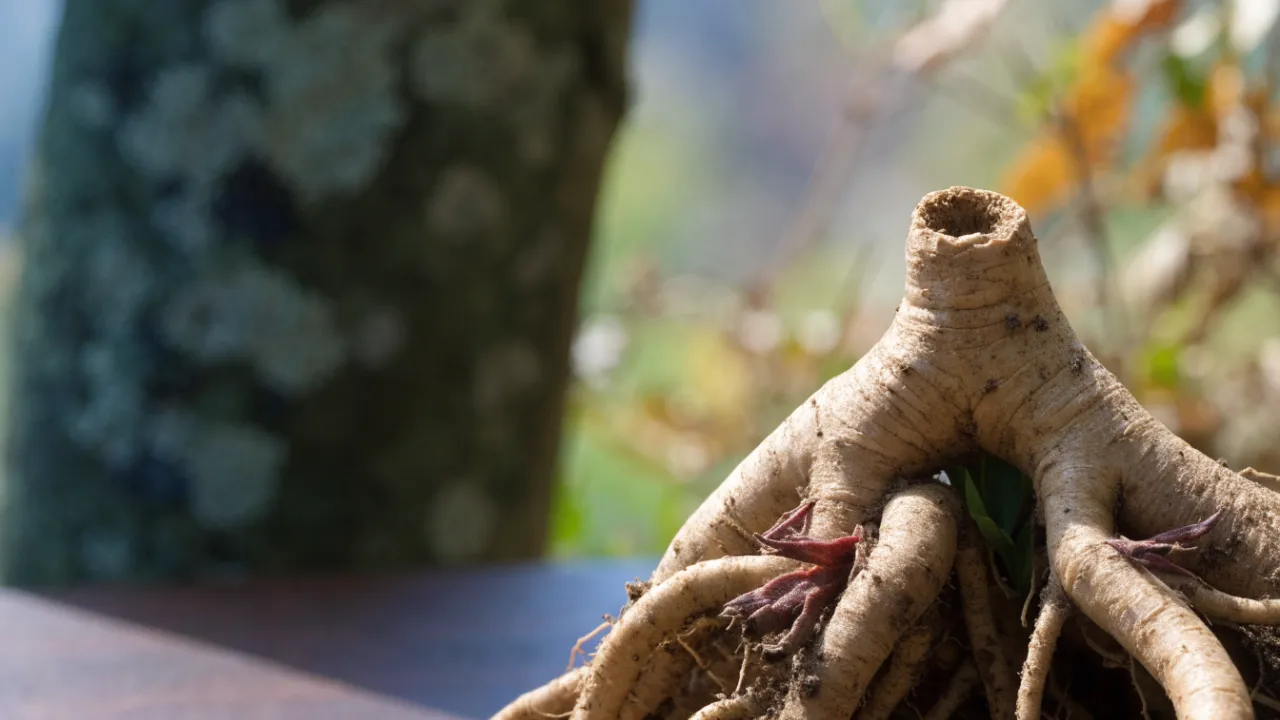
Korean ginseng (Panax ginseng) is a slow-growing root from Korea and northeastern China, used for centuries in Korean and Chinese medicine as a tonic for energy and vitality. Its active compounds are called ginsenosides. Red ginseng, made by steaming and drying the root, has a different ginsenoside profile from white ginseng. Despite its reputation, the clinical evidence is mixed: the most consistent results are for erectile dysfunction, while studies on energy, athletic performance, memory, colds, and hot flashes have been small, inconsistent, or negative. This guide rates the evidence for each claimed benefit and covers dosage, side effects, and drug interactions.
Table of Contents
What Is Korean Ginseng?
Korean ginseng (Panax ginseng C.A. Meyer), also called Asian ginseng, is a slow-growing perennial in the Araliaceae family, which also includes ivy. It is native to the cool forests of the Korean peninsula, northeastern China, and the Russian Far East. Wild plants are now rare, so most ginseng sold today is grown on shaded farms and harvested after four to six years. The name Panax comes from the same Greek root as “panacea” (all-healing). The plant has a single stem, a ring of hand-shaped leaves, and small flowers that turn into bright red berries, but it is grown for its forked, fleshy root, which often looks vaguely human.
Ginsenosides
Ginsenosides are a group of plant compounds called triterpene saponins, and they are considered ginseng’s main active ingredients. Dozens have been identified in Panax ginseng. Three of the most studied are:
- Rb1: One of the most plentiful ginsenosides in the root. Laboratory and animal studies suggest it affects calming brain-signaling pathways.
- Rg1: Laboratory and animal studies link it to more stimulating effects, including effects on blood vessels and the stress-response system.
- Rg3: Found only in small amounts in fresh root but more common in red ginseng, because it forms during steaming.
Most of what is known about individual ginsenosides comes from laboratory and animal research. How each one acts in people, at the doses found in supplements, is much less clear.
Red vs. White Korean Ginseng
After harvest, processing determines whether ginseng becomes white or red. White ginseng is cleaned and dried in the sun or with gentle heat, keeping its pale color. Red ginseng is steamed at high temperature and then dried, sometimes several times, until it turns reddish-brown.
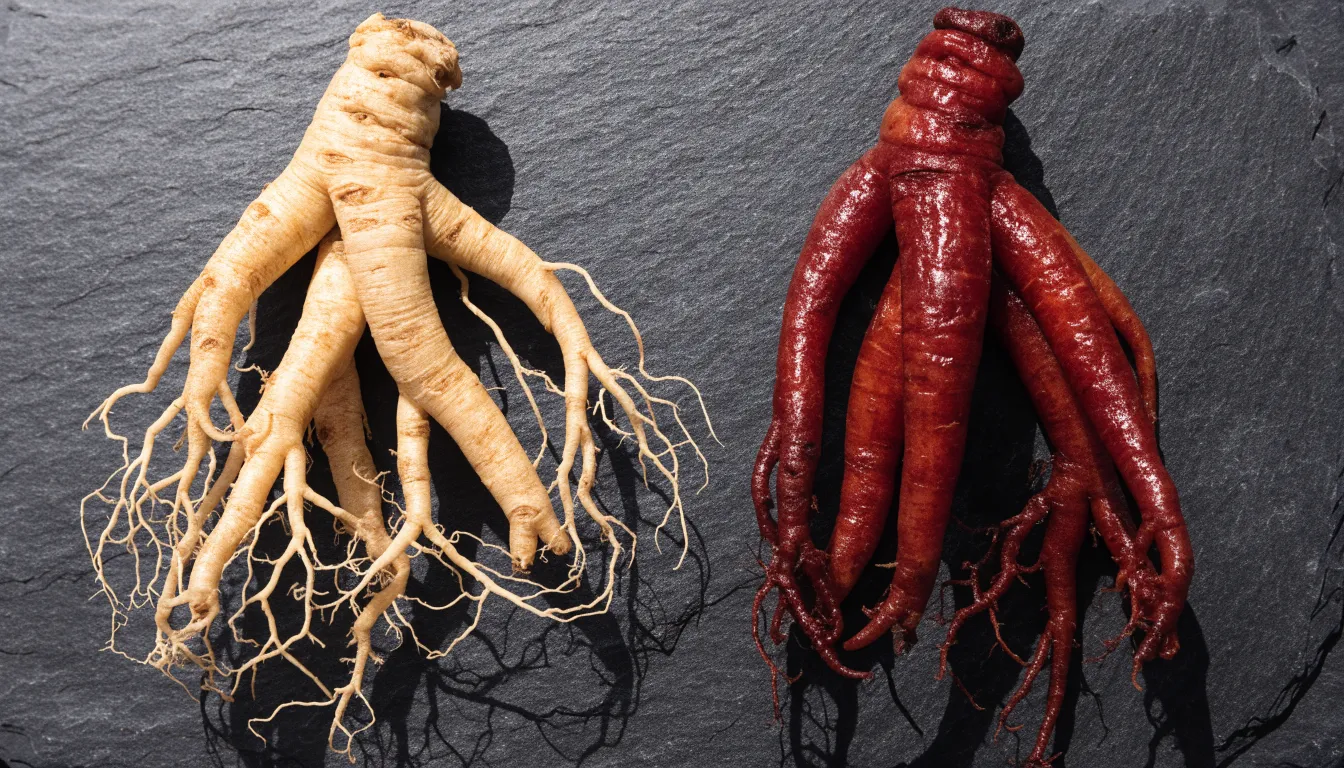
Steaming changes some of the root’s ginsenosides into other forms, so compounds that are scarce in white ginseng, such as Rg3, Rg5, and Rh2, are more abundant in red ginseng. Steaming and drying also reduce moisture, which helps red ginseng keep longer. Many clinical trials, especially those on erectile dysfunction, used red ginseng, but there is little direct research comparing red and white ginseng in people.
Korean vs. American vs. Siberian Ginseng
Several different plants are sold as “ginseng,” so the Latin name on the label is the only reliable way to know what you are buying:
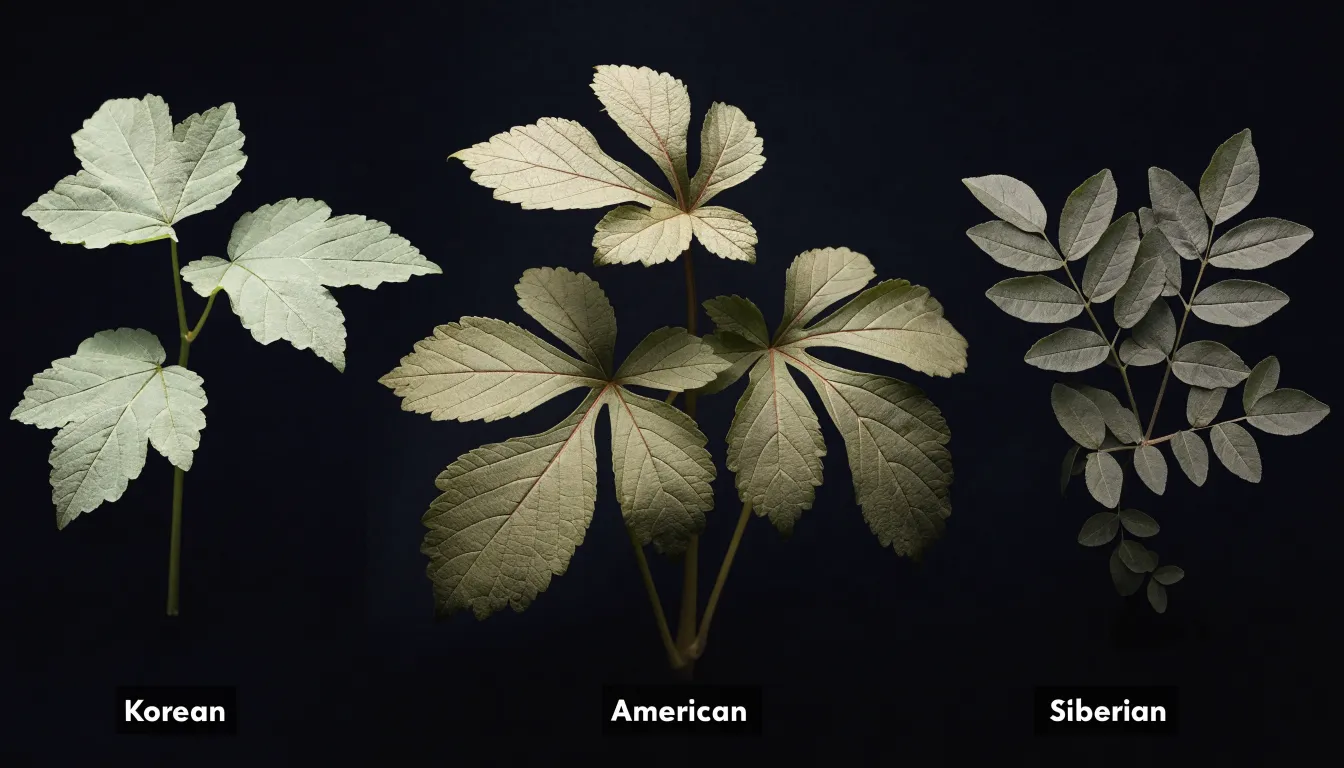
- Korean ginseng (Panax ginseng): Considered warming and stimulating in traditional Chinese medicine.
- American ginseng (Panax quinquefolius): A close relative from North American forests with a different balance of ginsenosides. Traditional Chinese medicine considers it cooling and gentler. Some of the research often credited to “ginseng,” including studies on colds and cancer-related fatigue, actually tested American ginseng.
- Siberian ginseng (Eleutherococcus senticosus): Also called eleuthero, this is a different plant in the same family, not a true ginseng. It contains no ginsenosides. Its main compounds are called eleutherosides. See our adaptogens guide for more.
A fourth relative, Panax notoginseng (sanqi), is used in traditional Chinese medicine for different purposes, mainly to stop bleeding.
History of Ginseng in Korean and Chinese Medicine
Ginseng has been used in Chinese medicine for about two thousand years. Early texts from around the Han dynasty list it among the “upper grade” herbs, considered safe for long-term use, and describe it as a tonic for qi (vital energy) and longevity.
In Korea, ginseng has been used and traded for well over a thousand years. Korean ginseng was sent to China as a valued tribute and trade good during the Three Kingdoms period, and during the Goryeo (918–1392) and Joseon (1392–1910) dynasties, the government tightly controlled its cultivation and trade. Ginseng became one of Korea’s most important exports and was used in royal court medicine. The steaming method used to make red ginseng was developed partly to help the root keep during long journeys.
Korean Ginseng Benefits: What the Research Shows
Korean ginseng has been tested in many clinical trials, but most were small and short, used different products and doses, and produced mixed results. For several popular uses, larger reviews have found no clear benefit (NCCIH). The sections below are ordered from the strongest evidence to the weakest.
How We Rate the Evidence
- Strong: Several well-designed randomized trials in people with consistent, replicated results. None of ginseng’s uses reaches this level.
- Moderate: Some good-quality human trials with mostly positive results, but small, short, or not well replicated.
- Limited: A few small or mixed human studies, or mainly laboratory and animal research.
- Traditional: Long historical use with little or no clinical testing.
Erectile Dysfunction and Sexual Health
This is the use with the most consistent evidence. Several small randomized trials, most using Korean red ginseng, found improvements in erectile function scores compared with placebo, and reviews of these trials have reached cautiously positive conclusions. The studies were small and of mixed quality. Ginseng may work partly by increasing nitric oxide, which helps blood vessels relax.
A few small trials in postmenopausal women reported improvements in sexual arousal and satisfaction, but this evidence is very limited.
Evidence: Moderate (erectile dysfunction); Limited (women’s sexual function)
Erectile dysfunction can be an early sign of heart disease or diabetes, so see a doctor before treating it yourself.
Energy and Fatigue
Ginseng is traditionally taken to fight tiredness, and some trials in healthy adults and people with long-term illness have reported less fatigue after 4–12 weeks. Others found no difference from placebo, and overall the results are inconsistent. The clearest positive results for cancer-related fatigue came from studies of American ginseng, not Korean ginseng.
Evidence: Limited
Persistent fatigue can signal anemia, thyroid disease, sleep apnea, depression, or other medical problems, so get it checked before reaching for supplements.
Athletic Performance
Despite ginseng’s popularity with athletes, controlled studies have generally not found that it improves endurance, strength, or recovery (NCCIH). Some small studies reported less muscle damage or oxidative stress after exercise, but that has not translated into consistent improvements in performance.
Evidence: Limited (studies mostly show no benefit)
Focus and Memory
In animal studies, ginseng improved learning and memory, and laboratory studies suggest ginsenosides may protect brain cells. In people, some small trials in healthy adults reported short-term improvements in working memory, attention, or mental arithmetic, while others found none. There is no good evidence that ginseng prevents memory decline or dementia.
Evidence: Limited
Blood Sugar
Reviews of clinical trials suggest that ginseng may slightly lower fasting blood sugar in people with and without type 2 diabetes, but the effects are small and results vary between products and doses.
Evidence: Limited
Because ginseng can lower blood sugar, people taking diabetes medication should only use it with their doctor’s knowledge.
Immune Support and Colds
In laboratory studies, ginseng increases the activity of some immune cells, including natural killer cells. A few small trials of Korean ginseng reported fewer colds or a better response to flu vaccination, but the evidence is limited. Most of the better-known studies showing fewer or shorter colds tested American ginseng, a different species.
Evidence: Limited
Stress
Ginseng is often described as an adaptogen, an herb thought to help the body cope with stress. Animal studies suggest ginsenosides affect the hypothalamic-pituitary-adrenal (HPA) axis, the system that controls the stress hormone cortisol. Human studies on stress, mood, and cortisol are few and small, with mixed results.
Evidence: Limited
Menopause Symptoms
Ginseng does not appear to help with hot flashes, according to NCCIH’s review of the research. A few small trials reported improvements in mood, sleep, or general wellbeing in menopausal women, but these effects were modest and inconsistent.
Evidence: Limited (no clear benefit for hot flashes)
Ginseng may have weak estrogen-like effects, so women with a history of hormone-sensitive cancer, or those taking hormone therapy, should talk to their doctor first.
Benefits at a Glance
| Use | Evidence | Notes |
|---|---|---|
| Erectile dysfunction | Moderate | Most trials used red ginseng; small studies |
| Women’s sexual function | Limited | A few small trials |
| Energy and fatigue | Limited | Mixed results; best fatigue data is for American ginseng |
| Athletic performance | Limited | Controlled studies mostly show no benefit |
| Focus and memory | Limited | Small, short-term effects in some trials |
| Blood sugar | Limited | Small drops in fasting glucose |
| Colds and immunity | Limited | Better evidence for American ginseng |
| Stress | Limited | Few, small human studies |
| Hot flashes | Limited | Does not appear to help |
How to Take Korean Ginseng
Korean ginseng is sold as capsules, tablets, liquid extracts, tinctures, powders, teas, and whole or sliced roots. Capsules and standardized extracts give the most consistent dose. Teas and powders are traditional and easy to adjust.
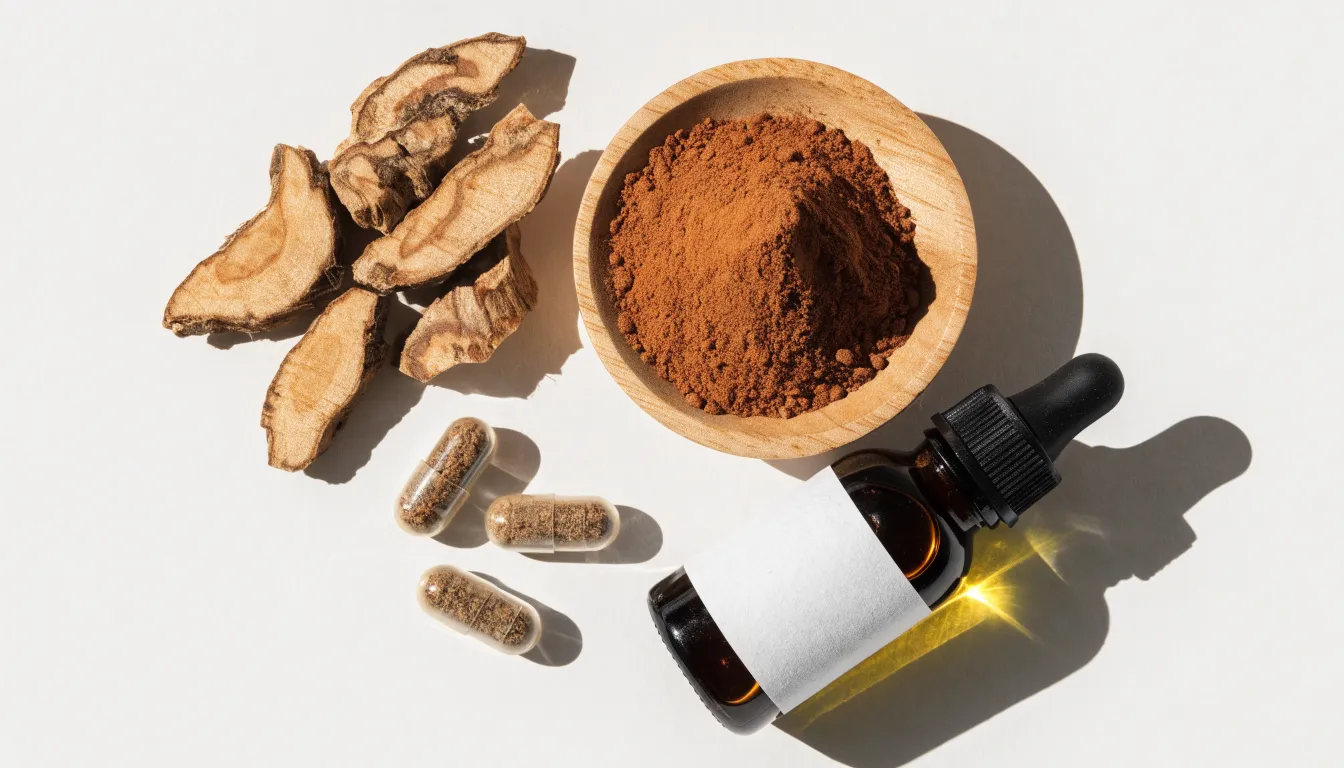
Capsules and Standardized Extracts
Raw ginseng root varies in strength depending on its age, growing conditions, and which part of the root is used. Standardized extracts list a set amount of ginsenosides per dose, which makes them easier to compare. Good labels show the extract ratio and the ginsenoside content, and avoid “proprietary blends” that hide how much ginseng is in the product.
For liquid extracts and tinctures, check the label for how much dried root each serving represents and the ginsenoside content, since concentrated liquids can deliver a large dose in a small amount.
Tea, Powder and Whole Root
Simmering dried root slices in water is a traditional way to take ginseng. A few grams of slices are simmered over low heat for 30 minutes or more, often with honey or jujube dates to soften the bitter taste. See our step-by-step guide to making ginseng tea.
Ginseng powder can be stirred into hot water, milk, or smoothies. It has a strong, earthy taste, so servings are usually small.
Whole roots are also steeped in honey or liquor, or sliced thin and chewed.
Cooking with Ginseng
Ginseng is a familiar ingredient in Korean cooking, with an earthy, slightly bitter flavor:
- Samgyetang: A soup traditionally eaten on the hottest days of summer. A small whole chicken is stuffed with sticky rice, garlic, jujube dates, and a fresh ginseng root, then simmered in a clear broth.
- Candied ginseng: Sliced ginseng simmered in honey or syrup until chewy, eaten as a snack or used on desserts.
- Broths and porridges: Ginseng is simmered with bones and other ingredients for stocks, or added to rice dishes and porridge.
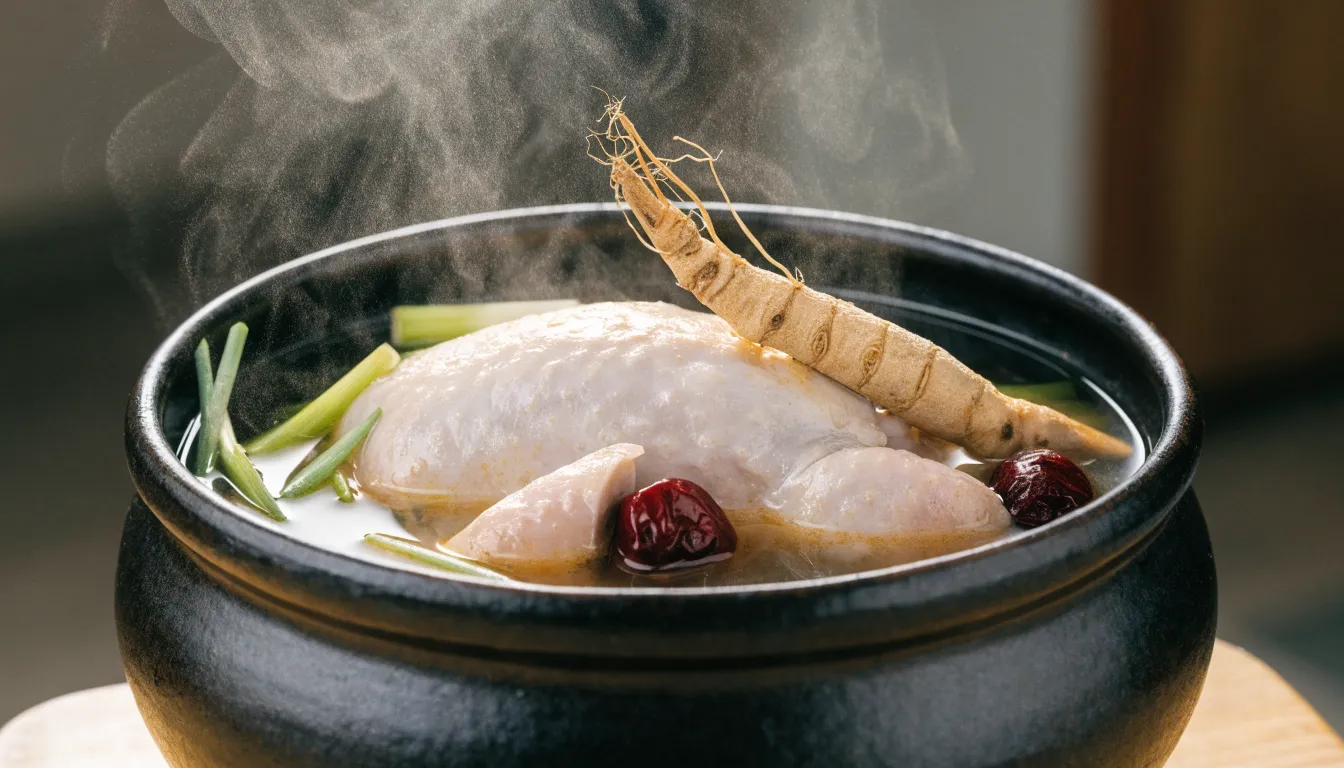
The amount of ginseng in a bowl of soup is usually much smaller than a supplement dose.
Korean Ginseng Dosage
Typical adult doses used in studies are:
- Standardized extract: 200–400 mg/day.
- Dried root or root powder: 1–2 g/day.
- Red ginseng for erectile dysfunction: Trials commonly used about 2.5–3 g/day, split into several doses.
Start at the low end of the range, take ginseng with food to reduce stomach upset, and follow your product’s label. Check with a doctor or pharmacist first if you take any medication.
Best Time of Day to Take It
Ginseng can be stimulating, so take it in the morning or early afternoon. Taking it later in the day can cause trouble sleeping, especially in people sensitive to caffeine.
Should You Cycle Ginseng?
Many herbalists recommend taking ginseng in cycles, such as two to three weeks on followed by one week off, or for a few months followed by a break of a few weeks. This is traditional practice rather than a proven rule: there is little research on whether ginseng loses effect with continuous use. Breaks do limit long-term exposure, which is sensible because long-term safety has not been well studied, and they give you a chance to notice whether ginseng was actually helping.
Side Effects and Safety
Short-term use of Korean ginseng appears to be safe for most healthy adults. Its long-term safety is less clear, since most studies have lasted only a few months (NCCIH).
Common Side Effects
- Trouble sleeping and nervousness: The most common side effect. Taking ginseng earlier in the day usually helps.
- Headache and dizziness.
- Digestive upset: Nausea, diarrhea, or stomach discomfort, often eased by taking it with food.
- Low blood sugar: Ginseng can lower blood sugar even in people without diabetes. Watch for shakiness, sweating, or confusion.
- Blood pressure and heart rate changes: Including a faster heartbeat or jitteriness.
- Hormone-like effects: Breast tenderness and vaginal bleeding have been reported, which may reflect weak estrogen-like activity.
- Allergic reactions: Occasionally, rash or itching.
Stop taking ginseng and see a doctor if side effects are severe or don’t go away.
Who Should Avoid Korean Ginseng
- Pregnant and breastfeeding women: Avoid it. In animal studies, a ginseng compound (ginsenoside Rb1) caused birth defects, and its safety during breastfeeding is unknown.
- Children: Ginseng supplements are not recommended for children.
- People with hormone-sensitive conditions: Such as breast, uterine, or ovarian cancer, endometriosis, or uterine fibroids, because of possible estrogen-like effects.
- People with heart conditions: Including uncontrolled high blood pressure or heart rhythm problems. Talk to your doctor first.
- People with diabetes: Only use it with your doctor’s knowledge, because of the risk of low blood sugar.
- People with bleeding disorders, or anyone scheduled for surgery: Ginseng may affect blood clotting and blood sugar. Stop at least two weeks before surgery.
- People with anxiety or insomnia: Ginseng’s stimulating effect can make these worse.
Drug Interactions
Talk to a doctor or pharmacist before combining Korean ginseng with:
- Warfarin: Ginseng may make warfarin less effective, which can raise the risk of blood clots.
- Antiplatelet drugs and other blood thinners: Ginseng may affect platelet function and bleeding risk.
- Diabetes medications: Ginseng can add to their effect and cause low blood sugar.
- Immunosuppressants: Ginseng may counteract drugs taken after an organ transplant or for autoimmune conditions.
- MAO inhibitors: Combining them with ginseng has been linked to headaches, sleeplessness, and manic symptoms.
- Caffeine and other stimulants: These can add to ginseng’s stimulating effects, causing nervousness, a fast heartbeat, and insomnia.
How to Buy Quality Korean Ginseng
- Check the Latin name: Look for Panax ginseng on the label, not just “ginseng,” which can mean American or Siberian ginseng.
- Look for third-party testing: Choose brands tested by an independent organization such as USP or NSF, or that provide a Certificate of Analysis (COA) confirming the species, ginsenoside content, and absence of heavy metals and pesticides.
- Check the ginsenoside content: A good label states the amount of ginsenosides per serving or per gram, so you can compare products.
- Root age: Korean ginseng is usually harvested at four to six years, and six-year roots are often sold at a premium. Older roots tend to be larger and may contain more ginsenosides, but the stated ginsenoside content is a better guide to strength than age alone.
- Origin: Look for clear country-of-origin labeling and buy from established brands, since cheaper roots are sometimes mislabeled or blended.
Frequently Asked Questions
What is Korean ginseng good for?
The most consistent evidence is for erectile dysfunction, where several small trials of red ginseng found improvements. Evidence for energy, memory, blood sugar, immunity, and stress is limited and mixed, and studies have generally not found benefits for athletic performance or hot flashes.
How much Korean ginseng should I take per day?
Studies typically use 200–400 mg/day of standardized extract or 1–2 g/day of dried root. Trials of red ginseng for erectile dysfunction used about 2.5–3 g/day. Start low, take it with food, and check with a doctor or pharmacist if you take medication.
When is the best time of day to take Korean ginseng?
In the morning or early afternoon, because it can interfere with sleep if taken later in the day.
What is the difference between red and white Korean ginseng?
White ginseng is simply dried, while red ginseng is steamed and then dried, which changes some of its ginsenosides into other forms, such as Rg3. Many clinical trials used red ginseng, but there is little direct research comparing the two.
Does Korean ginseng help with energy and fatigue?
The evidence is mixed. Some trials reported less fatigue, others found no difference from placebo, and the clearest positive results for fatigue came from American ginseng. Persistent fatigue should be checked by a doctor.
Is it safe to take Korean ginseng every day?
Short-term daily use appears to be safe for most healthy adults. Long-term safety has not been well studied, so many people take breaks, and it’s sensible to check in with your doctor if you use it for many months.
How long does Korean ginseng take to work?
Clinical trials usually measure effects after 4–12 weeks of daily use. If you notice no difference after a couple of months, it is unlikely to help you.
Who should not take Korean ginseng?
Pregnant and breastfeeding women, children, and people with hormone-sensitive conditions should avoid it. People with heart conditions, diabetes, bleeding disorders, anxiety, or insomnia, and anyone scheduled for surgery, should talk to a doctor first.
Can Korean ginseng interact with prescription medications?
Yes. It may make warfarin less effective, add to the effect of diabetes medications, counteract immunosuppressants, and interact with MAO inhibitors and stimulants. Tell your doctor and pharmacist if you take it.
How should Korean ginseng be stored?
Keep it in a cool, dry, dark place in an airtight container. Follow the label for liquid extracts, some of which need refrigeration after opening.
Sources
- National Center for Complementary and Integrative Health (NCCIH): Asian Ginseng, American Ginseng.
Matthew Atkins
Matthew studied biology and has worked in conservation. He's been interested in medicinal herbs for many years. More about HerbsList
This page is for general information only and isn't medical advice. Talk with a doctor or pharmacist before taking any herb or supplement. Full disclaimer